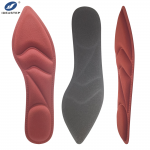
Standing for several hours places continuous load on the feet, especially around the heel and forefoot. Gel insoles use elastic gel materials to improve cushioning and help distribute pressure inside footwear, making them a popular choice for work shoes, safety footwear, and everyday standing applications.
However, gel insoles are not designed to solve every footwear or foot support requirement. Their performance depends on factors such as material structure, gel placement, shoe design, and whether the user needs more cushioning or additional support.
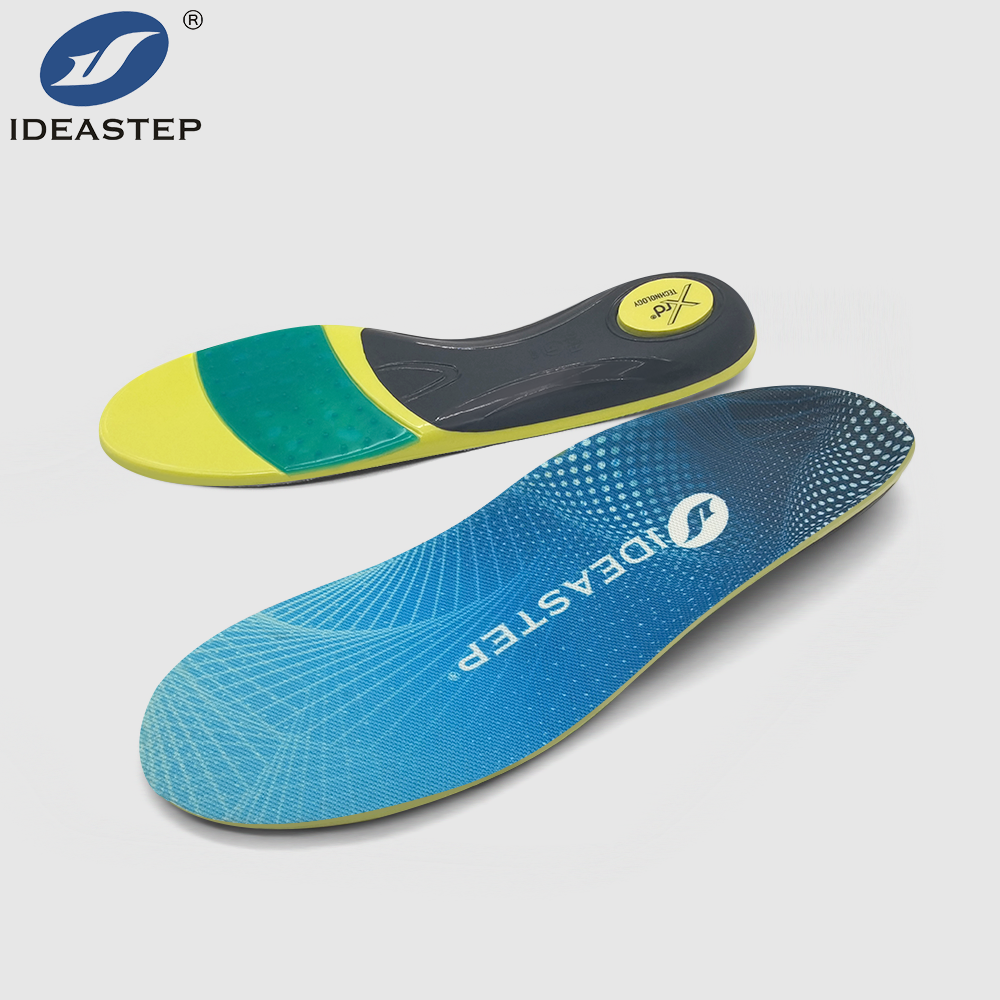
What Are Gel Insoles?
Gel insoles are shoe inserts that incorporate gel materials to improve cushioning and impact absorption.
Unlike traditional foam materials, gel has elastic properties that allow it to deform under pressure and return to its original shape after loading.
Insole manufacturers often combine gel with materials such as EVA foam, fabric covers, or support layers to create a better balance between softness, stability, and durability.
How Gel Insoles Improve Standing Comfort
Cushioning for Heel and Forefoot
The heel and forefoot carry a large amount of pressure during standing and walking.
Gel layers placed in these high-pressure areas can absorb impact and create a softer interface between the foot and the shoe.
This makes gel insoles suitable for footwear that requires additional cushioning, such as work shoes and safety footwear.
Pressure Distribution
Gel materials can spread pressure by adapting to changes in load during standing and movement.
Instead of concentrating force in specific areas, a well-designed gel insole helps create a more balanced contact surface under the foot.
Improved Comfort in Firm Footwear
Many work and protective shoes use firm outsole materials for durability and safety, but they may provide limited underfoot cushioning.
Adding a gel insole can improve the internal comfort of these shoes without changing the original footwear structure.
Limitations of Gel Insoles
Limited Structural Support
Gel materials focus mainly on cushioning rather than controlling foot movement.
For users who need stronger arch support or improved stability, gel alone may not provide enough structural reinforcement.
For this reason, many advanced insole designs combine gel cushioning with supportive materials such as EVA or TPU to achieve a better balance between comfort and support.
Thickness and Shoe Fit
Some gel insoles use thicker cushioning layers, which may reduce available space inside the shoe.
Before selecting a gel insole, it is important to consider the shoe’s internal volume and overall fit.
Performance Depends on Design
The performance of a gel insole depends on more than the gel material itself.
Factors such as gel location, foam density, top cover material, and support structure all affect the final comfort and durability of the insole.
Gel Insoles vs Foam Insoles
| Feature | Gel Insoles | Foam Insoles |
|---|---|---|
| Main Function | Shock absorption and cushioning | Cushioning, flexibility, and support balance |
| Material Feel | Soft and elastic | Lightweight and responsive |
| Support | Usually limited unless combined with support layers | Available in different densities and structures |
| Best Application | Long standing and impact cushioning | Daily wear, sports, and orthotic applications |
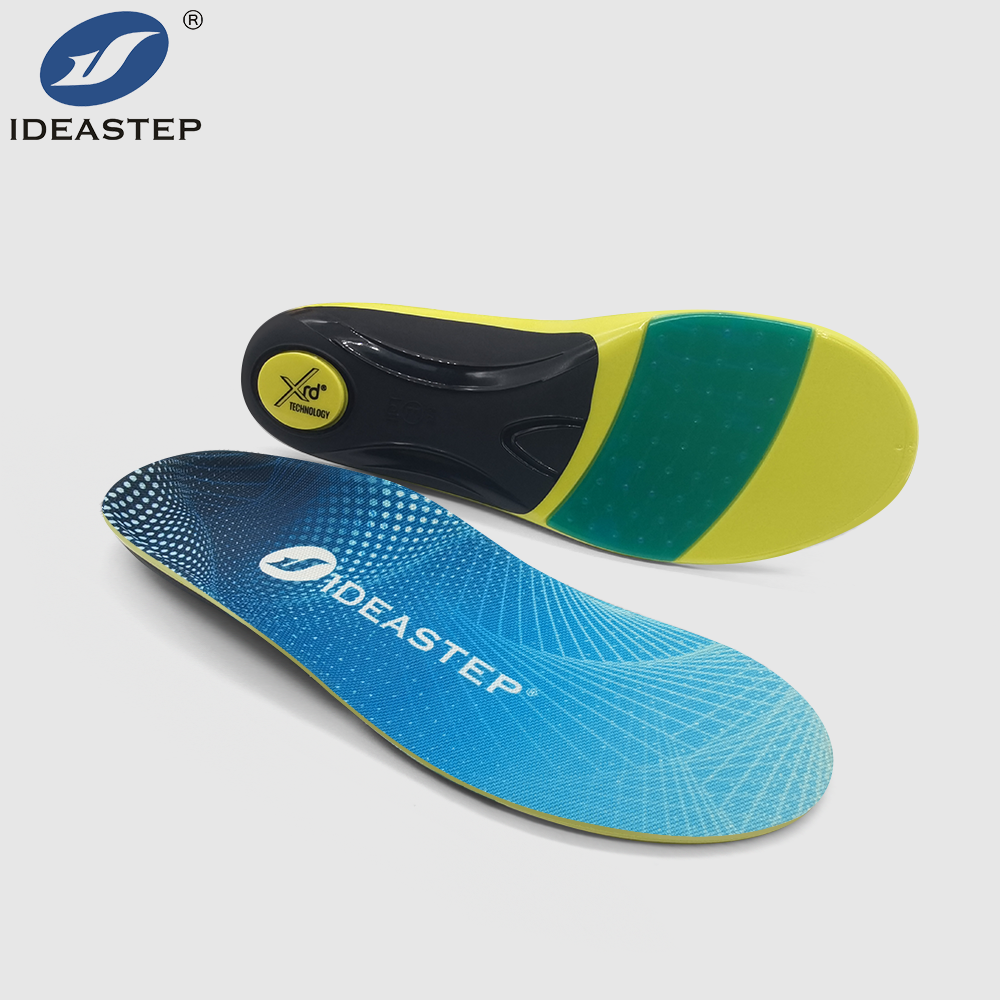
Who Should Consider Gel Insoles?
Gel insoles are commonly chosen for footwear where additional cushioning is the main priority.
Typical applications include:
- Work shoes
- Safety footwear
- Walking shoes
- Casual footwear
- Jobs that require long periods of standing
For users who need both comfort and support, multi-layer insole designs that combine gel with structured materials may provide better overall performance.
What to Look for in Gel Insoles for Standing
A well-designed gel insole should balance cushioning with proper support rather than focusing only on softness.
Important design factors include:
- Gel placement: Heel and forefoot areas usually require targeted cushioning.
- Support structure: Additional arch or stability components can improve overall foot control.
- Material combination: EVA foam, TPU layers, and gel components can work together to improve performance.
- Breathability: Fabric top layers can help manage moisture during extended wear.
Are Gel Insoles Good for Standing All Day?
Gel insoles can be a good choice for standing all day when the main goal is improving cushioning and reducing pressure under the feet.
They work especially well in footwear that requires additional shock absorption, such as work shoes and safety footwear.
However, gel is mainly a cushioning material. People who need greater stability or structural support may benefit from insoles that combine gel with materials such as EVA or TPU.
The best insole depends on the footwear design, working environment, and the balance between comfort and support required.
Conclusion
Gel insoles provide effective cushioning and pressure management, making them a practical option for many long-standing applications.
However, the best-performing insole designs usually combine different materials to achieve a balance between softness, stability, and durability.
Recommended Reading: Gel Arch Support Insoles Manufacturer: Custom Solutions for Foot Care Brands.