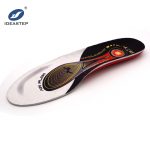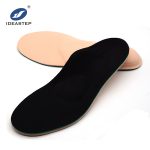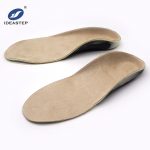
For orthopaedic footwear manufacturers scaling up mass production, picking the right insole material makes a huge difference to production efficiency, cost control, product positioning, and after-sales performance. When setting up high-volume footwear lines, most factory buyers end up choosing between two industry-standard options: EVA orthotic insoles and composite orthotic insoles.
Many production teams prioritise unit price above all else, overlooking key factors like long-term durability, fitting consistency, material stability, and real-world end-user usage. This hasty choice often leads to inconsistent product quality, higher return rates, and limited room for market growth. This B2B-focused guide breaks down the practical differences between EVA and composite insoles specifically for mass production, helping UK and European footwear factories make smarter, data-backed sourcing decisions.
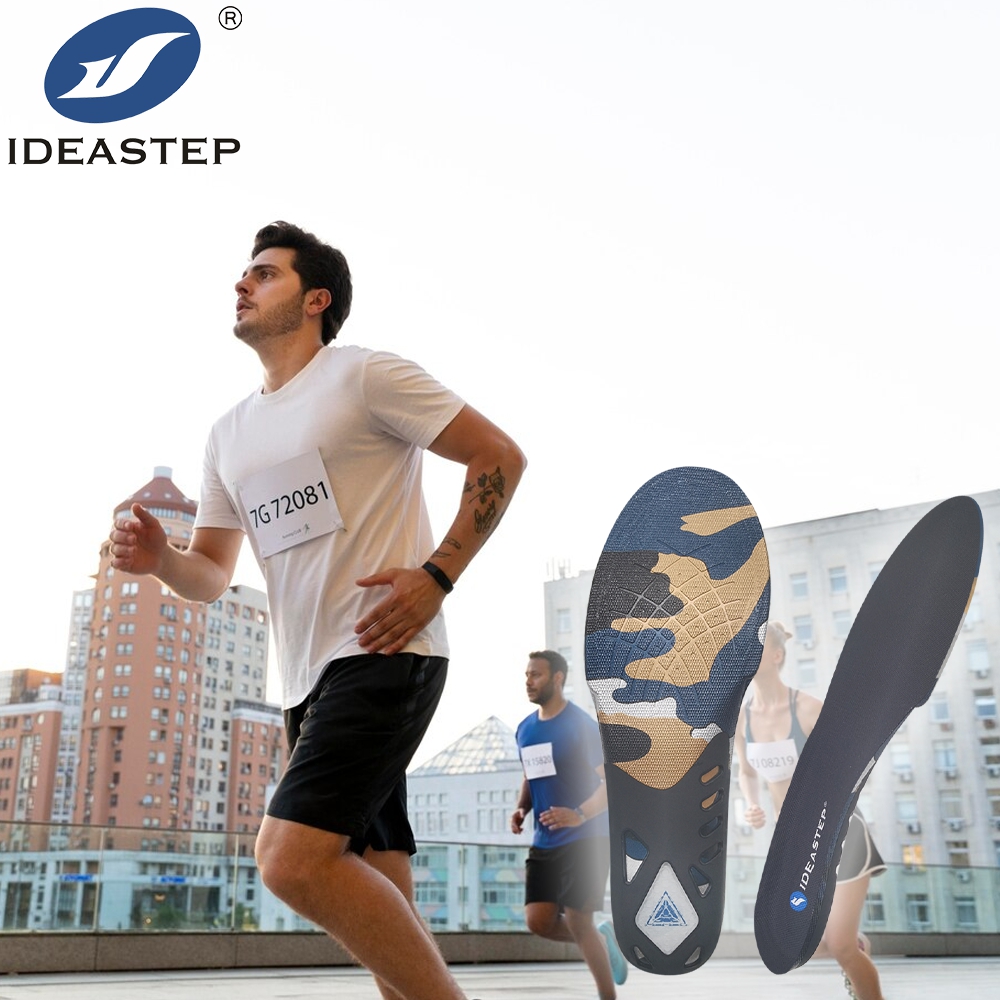
EVA Orthotic Insoles: Cost-Effective for High-Volume Comfort Lines
EVA orthotic insoles feature a single-layer ethylene-vinyl acetate foam construction, a lightweight, flexible, and highly mouldable material widely trusted in large-scale footwear manufacturing. Thanks to mature mould pressing and batch foaming technology, EVA insoles are simple to produce, easy to trim, and compatible with standard shoe lasts. This makes them a go-to solution for high-volume comfort footwear projects across the industry.
For mass production workflows, EVA insoles deliver two standout benefits: ultra-competitive material costs and reliable, consistent output. Standardised EVA foam formulations allow suppliers to keep uniform thickness, softness, and surface texture across tens of thousands of units. This greatly simplifies factory assembly lines and shortens overall production lead times.
Key Strengths of EVA Insoles for Mass Production
- Affordable bulk pricing: Cost-effective EVA raw materials drastically cut component expenses for large orders, boosting profit margins for entry-level and mid-range footwear product lines.
- Lightweight & consistent moulding: Uniform foam density ensures every production batch maintains identical weight and shape, eliminating fitting inconsistencies in finished shoes.
- Fast processing & high yield rate: EVA material cuts, shapes, and laminates with ease, supporting high-speed automated production with minimal material waste and low defective rates.
Limitations for Long-Term Orthotic Performance
The biggest downside of pure EVA insoles for mass production is compression fatigue. Under constant body weight and daily walking pressure, EVA foam slowly flattens out and loses its arch support over time. While this wear pattern is acceptable for short-term comfort footwear, it cannot meet the strict durability requirements of medical-grade or long-wear orthopaedic shoes. Brands targeting premium therapeutic markets will find pure EVA insoles hold back their product competitiveness.
Composite Orthotic Insoles: Stable & Durable for Premium Mass Production
Composite orthotic insoles use a multi-layer build, pairing a rigid supportive base board with cushioning EVA foam, latex, or breathable fabric top layers. This smart layered design separates structural support and underfoot comfort, effectively solving the compression and deformation issues that plague single-piece EVA insoles.
Though composite insoles come with a slightly higher unit cost, they deliver far more stable long-term performance. This makes them ideal for mass-producing mid-to-high-end orthopaedic footwear, medical corrective shoes, and durable occupational supportive work shoe lines.
Key Strengths of Composite Insoles for Mass Production
- Excellent shape retention: The rigid base layer resists compression and bending, preserving consistent arch height, heel stability, and corrective performance throughout the shoe’s entire service life.
- Balanced support and comfort: The multi-layer structure delivers firm biomechanical support while retaining soft, pleasant underfoot cushioning, meeting the higher quality standards of premium orthopaedic footwear.
- Fewer after-sales issues: The durable layered structure minimises customer complaints about flattened insoles, weakened support, and persistent foot fatigue, helping factories protect and strengthen their brand reputation in large-scale sales.
Limitations for Budget Mass Lines
Composite insoles require extra lamination, bonding, and multi-stage processing, which leads to slightly longer production cycles and higher material costs compared to standard EVA alternatives. For ultra-budget mass footwear lines that compete purely on low pricing, composite solutions can weaken cost advantages and market competitiveness.
Side-by-Side Comparison for Factory Mass Production
To help production managers and procurement teams quickly match the right material to their product lines, we’ve put together a practical comparison tailored specifically for mass production scenarios:
- EVA Insoles: Best suited for high-volume casual comfort shoes, budget daily orthopaedic lines, and short-cycle mass orders where cost efficiency and fast output are top priorities.
- Composite Insoles: Ideal for premium orthopaedic footwear, medical corrective lines, rehabilitation shoes, and long-wear supportive work boots that prioritise consistent quality and long-term durability.
- EVA Advantage: Lower production costs, ultra-lightweight feel, fast bulk processing, and minimal workshop workflow adjustments needed.
- Composite Advantage: Long-lasting stable support, strong anti-deformation performance, higher product grade, and drastically lower after-sales risks.
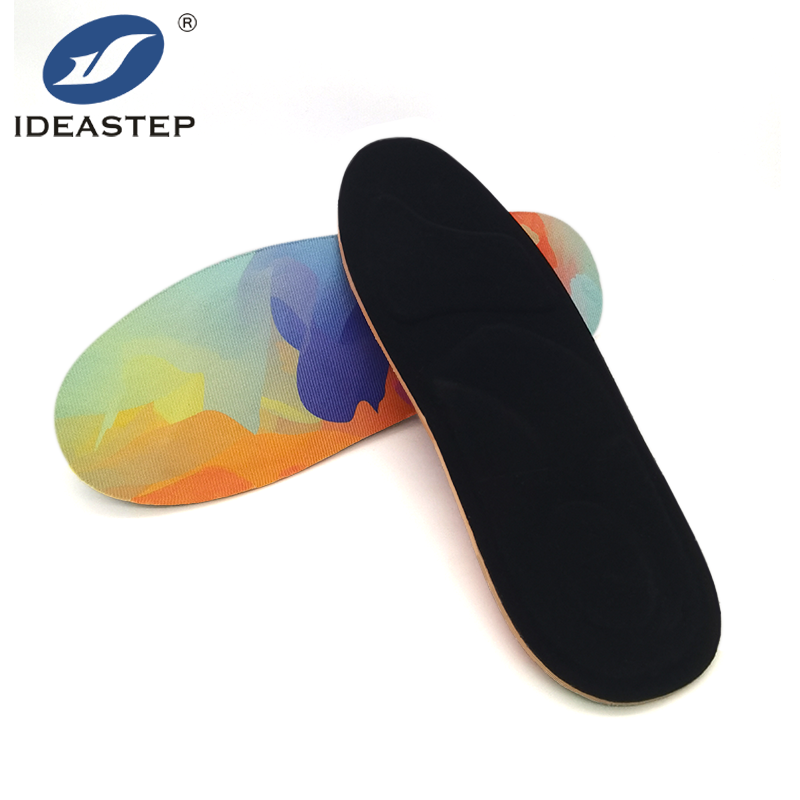
How Footwear Manufacturers Choose for Different Mass Lines
1. Budget & Fast-Selling Comfort Footwear Lines
If your factory specialises in mass-producing affordable daily comfort orthopaedic shoes for mainstream consumers, standard EVA orthotic insoles are the most practical choice. They keep production costs low, support fast high-volume delivery, and fully meet everyday foot comfort and fatigue relief requirements.
2. Premium & Medical-Grade Orthopaedic Lines
For mass production of therapeutic, corrective, and rehabilitation footwear, composite orthotic insoles are the safer, more professional pick. Bulk composite components deliver consistent support performance across thousands of finished products, ensuring uniform quality and full compliance with UK and European orthopaedic footwear standards.
3. Balanced Dual-Line Production Strategy
Most established UK and European footwear factories run a dual-material production model. They stock wholesale EVA insoles for entry-level comfort-focused mass lines and composite insoles for high-end orthopaedic batches. This flexible approach covers multiple market segments, maximises profit potential, and avoids the risks of relying on a single product type.
Final Thoughts
When it comes to mass production, neither EVA nor composite orthotic insoles are universally better. EVA insoles excel at cost control and production speed for high-volume budget lines, while composite insoles stand out for long-term durability, stable performance, and premium-grade orthopaedic footwear.
The most effective manufacturing strategy is simple: match your insole material to your product positioning, target audience, and quality benchmarks. Making the right choice streamlines your production workflow, cuts unnecessary operational costs, and boosts your market competitiveness in the crowded mass orthopaedic footwear industry.
Whether you need cost-effective EVA insoles or premium composite orthotic insoles for your mass production lines, we provide reliable bulk supplies, custom thickness tuning, strict batch quality control, and flexible MOQ to support all your orthopaedic footwear manufacturing projects.
Related Reading:
Medical Arch Support Insoles Wholesale Orthopedic Insoles for Flat Feet Manufacturer
From Prototype to Mass Production: Orthotic Insoles OEM Success Stories