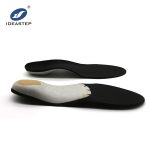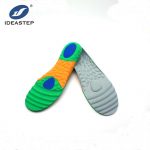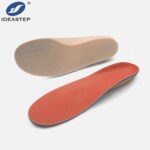
Developing orthotic insoles for a new product line requires more than manufacturing capability. For brands, the key challenge is making sure the product concept can be transformed into a stable design that performs well in real applications and can be produced consistently at scale.
During the development process, factors such as support structure, material selection, footwear compatibility, and production requirements all influence the final result. A suitable orthotic insoles OEM partner can help brands reduce development risks by providing support from prototype creation to mass production.
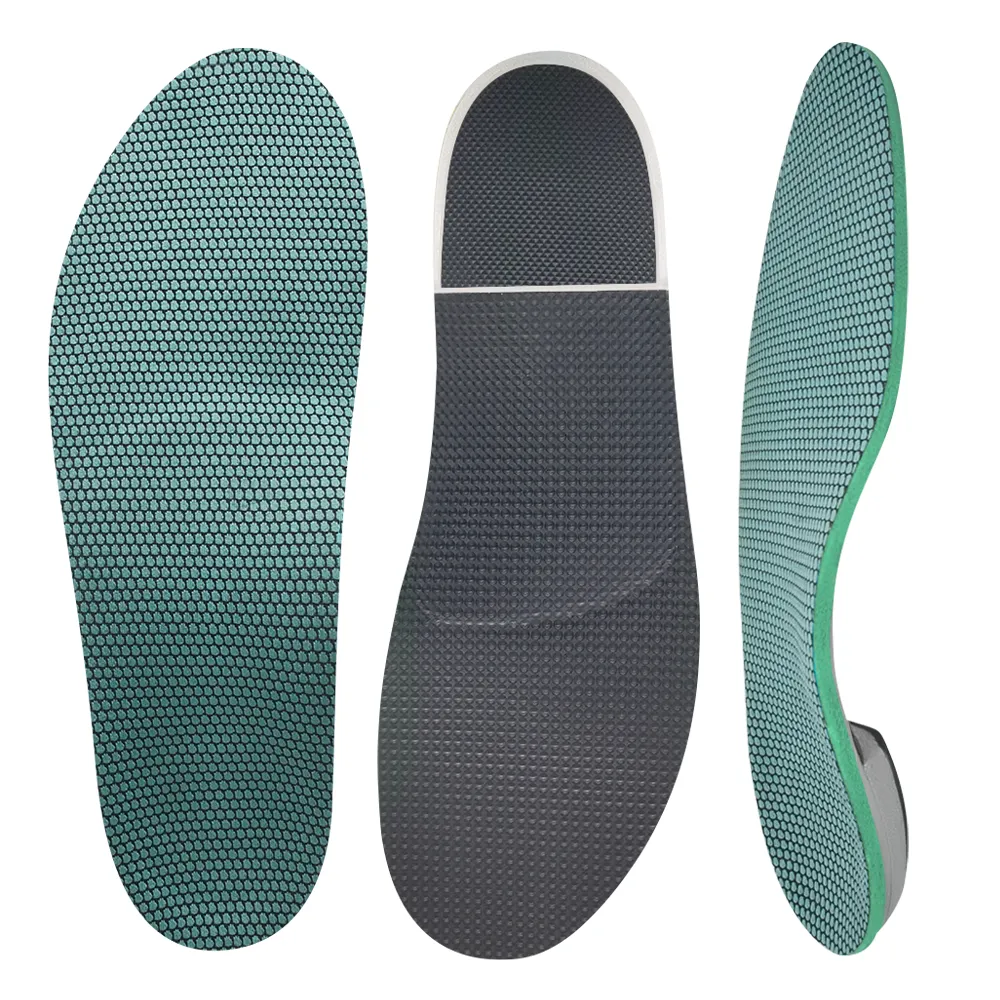
Common Challenges in Orthotic Insole Development
Many orthotic insole projects start with a clear market demand, but turning an idea into a production-ready product requires careful evaluation.
Brands often need to consider:
- Target users and application scenarios
- Required support level and comfort performance
- Material selection and product positioning
- Manufacturing cost and production feasibility
A design that looks suitable during the concept stage may need adjustments after prototype testing. For example, increasing support strength may affect comfort, while reducing thickness may influence cushioning performance.
Experienced manufacturers help brands balance product expectations with practical manufacturing requirements.
How OEM Partners Turn Concepts Into Production
A successful orthotic insole OEM project usually involves several development stages, from requirement analysis to final production preparation.
Requirement Analysis and Product Planning
Before developing samples, manufacturers need to understand the product goals and market positioning.
Key information usually includes:
- Product application, such as medical care, sports, or daily comfort
- Target customers and footwear types
- Support requirements
- Preferred materials and price range
Clear communication at this stage helps avoid unnecessary modifications later in the development process.
Prototype Development and Structure Optimization
The first prototype is an important step for evaluating whether the design meets practical requirements.
During sample development, manufacturers may adjust:
- Arch support structure
- Heel cup design
- Cushioning zones
- Material hardness
- Overall thickness
Prototype testing inside the actual footwear is especially important because the insole needs to work together with the shoe structure.
Testing and Sample Approval
Before mass production, samples are usually evaluated from several aspects:
- Fit performance: Ensuring the insole matches the target footwear.
- Support performance: Checking whether the structure provides the intended function.
- Comfort: Evaluating cushioning and wearing experience.
- Durability: Confirming material and bonding stability.
Adjustments made during this stage help improve product reliability before large-scale production begins.
Mass Production Preparation
Moving from prototype to production requires consistent manufacturing standards.
Manufacturers need to control:
- Material specifications
- Product dimensions
- Production processes
- Quality inspection standards
For brands developing long-term product lines, production consistency is an important factor when selecting an OEM supplier.
Material and Structure Decisions Behind Successful Insoles
The performance of an orthotic insole depends heavily on the combination of materials and structural design.
EVA Foam for Cushioning and Support
EVA is widely used in orthotic insole manufacturing because its density, hardness, and cushioning properties can be adjusted according to different applications.
Different EVA specifications can support various product goals, from lightweight comfort insoles to firmer support solutions.
TPU Reinforcement for Structural Stability
For products requiring additional support control, TPU reinforcement can be added to specific areas to improve stability and shape retention while maintaining overall comfort.
Top Cover Materials for User Experience
The top layer directly affects the wearing feel of the insole. Breathability, moisture management, softness, and durability are important considerations when selecting surface materials.
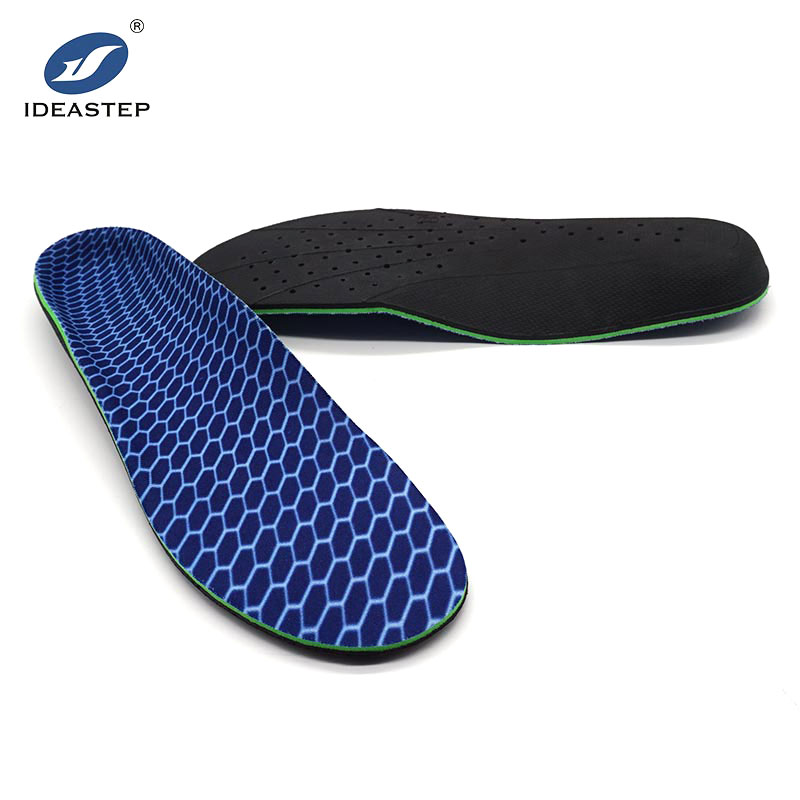
Orthotic Insoles OEM Success Stories
Case Study 1: Custom Orthotic Insoles for a Foot Care Brand
A European foot care brand wanted to develop a private-label orthotic insole product for daily support applications.
Project Requirements:
- Comfortable daily wearing experience
- Moderate arch support
- Stable quality for repeat orders
Development Solution:
- Multi-density EVA structure
- Customized arch support profile
- Breathable top fabric
- Optimized thickness for different footwear
After prototype adjustments and testing, the product was prepared for stable mass production.
Case Study 2: Sports Orthotic Insole Development
A sports footwear company required a customized insole solution focusing on cushioning, stability, and lightweight performance.
Development Focus:
- Improved impact absorption
- Better foot control during activity
- Lightweight construction
The final design combined EVA cushioning layers with structural reinforcement to meet the product requirements.
Why Brands Choose Custom Orthotic Insoles
Standard insoles can be suitable for general applications, but customized products allow brands to create more differentiated solutions.
Custom orthotic insoles may include adjustments in:
- Support structure
- Material combination
- Thickness and size range
- Private label packaging
- Product appearance
For companies entering competitive markets, customized development provides more flexibility to match specific customer needs.
How to Choose the Right Orthotic Insole Manufacturer
When selecting an OEM supplier, production capacity is only one consideration. Brands should also evaluate the manufacturer’s development capability and communication efficiency.
Important factors include:
- Experience with custom orthotic insoles development
- Ability to recommend suitable materials and structures
- Prototype sampling capability
- Stable mass production management
- Support for OEM, ODM, and private label projects
A manufacturer with development experience can help brands reduce unnecessary trial costs and create products that are ready for commercial production.
Conclusion: Building Better Orthotic Insole Products Through OEM Cooperation
Developing orthotic insoles from prototype to mass production requires experience in materials, structure design, testing, and manufacturing control.
The right OEM partner can support brands throughout the entire development process, from initial product concepts and sample adjustments to final production.
At Ideastep, we provide custom orthotic insoles development, prototype sampling, and OEM/ODM manufacturing solutions for brands and distributors. Whether you already have an existing design or are starting with a new product concept, our team can help evaluate materials, optimize structures, and develop a suitable production solution.
Contact our team to discuss your orthotic insole project requirements and explore possible cooperation opportunities.
Related Reading: How Our Orthotic Insoles Factory Supports Worldwide B2B Partners.