Developing high arch orthotic insoles is not simply about increasing arch height. In real product development, the challenge is creating an insole that provides effective support while maintaining comfort, stability, and compatibility with different footwear.
For brands and foot care companies, a successful high arch insole requires the right combination of structural design, material selection, prototype testing, and manufacturing control. Working with an experienced orthotic insole manufacturer can help reduce development risks and improve product consistency during mass production.
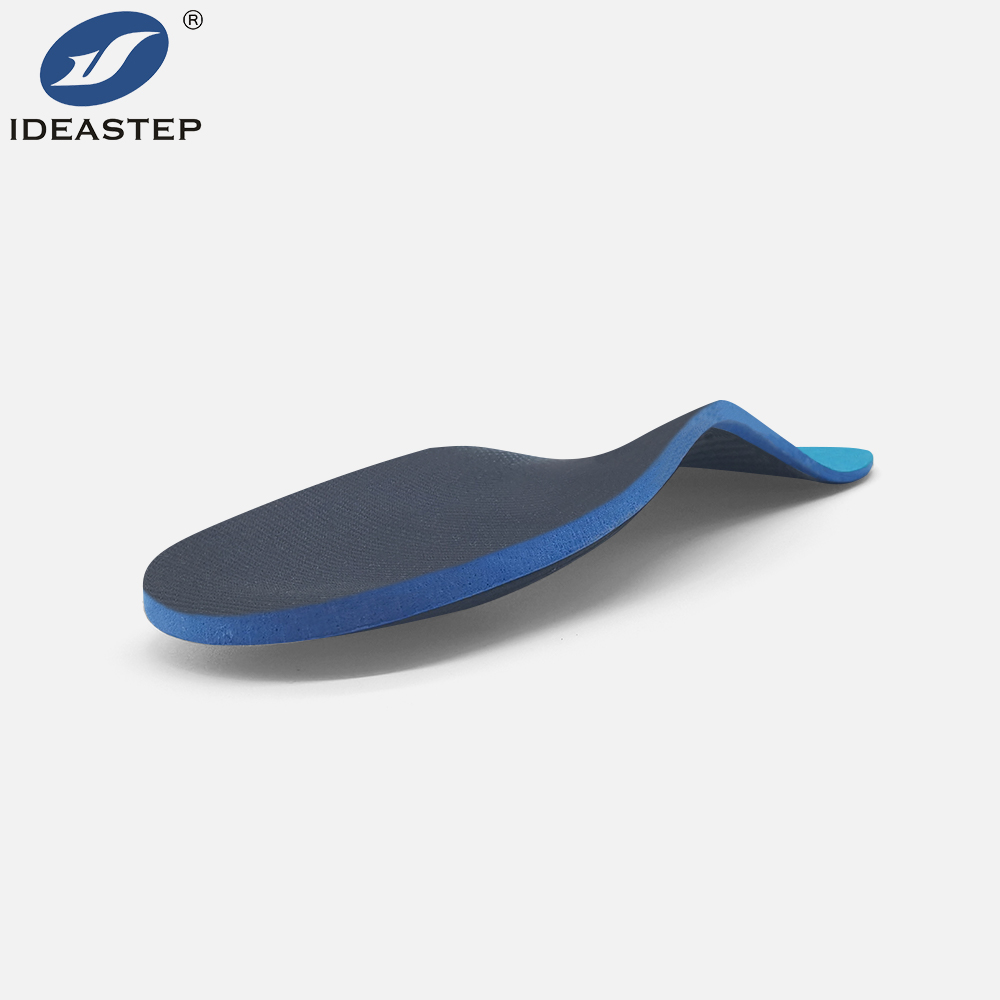
Design Challenges in High Arch Orthotic Insoles
High arch users usually experience higher pressure concentration around the heel and forefoot areas. Because of this, product development focuses on improving pressure distribution while maintaining natural foot movement.
In practical development projects, one common challenge is finding the right balance between support and comfort. A support structure that is too aggressive may create pressure points, while a softer design may not provide enough stability.
For this reason, high arch support insoles are usually developed through repeated evaluation of:
- Arch support profile
- Heel stability
- Cushioning performance
- Material hardness
- Overall thickness
Small adjustments in these areas can significantly influence the final wearing experience.
Key Factors in Developing High Arch Support Insoles
Arch Structure and Support Design
The arch structure is one of the most critical elements in high arch orthotic insole development.
A suitable design needs to match the foot shape while avoiding excessive pressure under the arch. During prototype development, manufacturers often adjust the arch contour, support position, and transition areas between support and cushioning zones.
The goal is not to create the highest possible arch support, but to create controlled support that works comfortably inside real footwear.
Cushioning Design and Pressure Management
Because pressure is often concentrated in specific areas for high arch users, cushioning design plays an important role.
Instead of making the entire insole soft, manufacturers often use different material densities to create functional zones.
For example:
- Softer areas for cushioning and comfort
- Firmer areas for structural support
- Reinforced sections for stability
This approach helps brands develop products that provide both support and long-term wearing comfort.
Material Selection for Performance and Durability
Material selection directly affects the performance, cost, and positioning of high arch orthotic insoles.
EVA Foam for Adjustable Support Performance
EVA remains one of the most commonly used materials in commercial orthotic insole production because manufacturers can adjust its density, hardness, rebound properties, and compression resistance.
Different EVA specifications allow brands to develop products ranging from lightweight comfort insoles to firmer support solutions.
TPU Reinforcement for Structural Stability
For products requiring stronger support control, TPU reinforcement can be integrated into specific areas.
This helps improve:
- Shape retention
- Arch control
- Long-term structural stability
Using reinforcement strategically allows manufacturers to improve support without making the entire insole uncomfortable.
Top Cover Materials for User Experience
The top cover directly affects how users feel when wearing the product.
Common considerations include:
- Breathability
- Moisture management
- Softness
- Wear resistance
For premium foot care products, surface material selection is also an important factor in product differentiation.
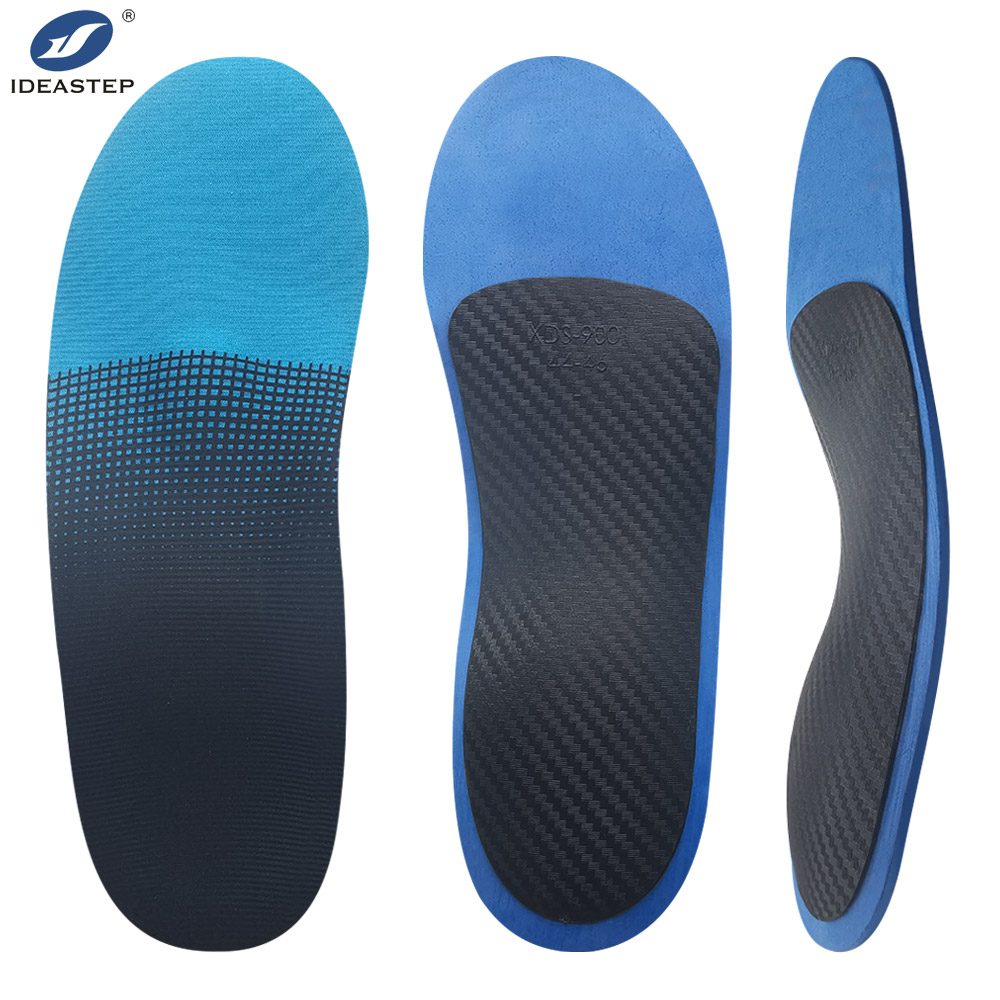
From Prototype to Mass Production: Developing High Arch Insoles
In actual OEM projects, the first prototype is rarely the final product. Small changes in arch height, foam hardness, or reinforcement position can affect comfort and performance.
A typical development process includes several stages:
Requirement Analysis
Before creating samples, manufacturers need to understand the product goals, including:
- Target users
- Footwear applications
- Support requirements
- Material preferences
- Target market positioning
A sports insole, everyday comfort insole, and medical-oriented product may all target high arch users, but their designs and materials can be completely different.
Prototype Development and Adjustment
During prototype development, manufacturers evaluate whether the design works in real footwear conditions.
Possible adjustments include:
- Arch height modification
- Thickness adjustment
- Cushioning area optimization
- Material combination changes
- Support structure refinement
This stage helps identify potential issues before entering large-scale production.
Testing and Production Preparation
Before mass production, manufacturers need to confirm:
- Material consistency
- Product dimensions
- Bonding quality
- Production repeatability
A reliable manufacturing process ensures that the approved sample can be reproduced consistently for future orders.
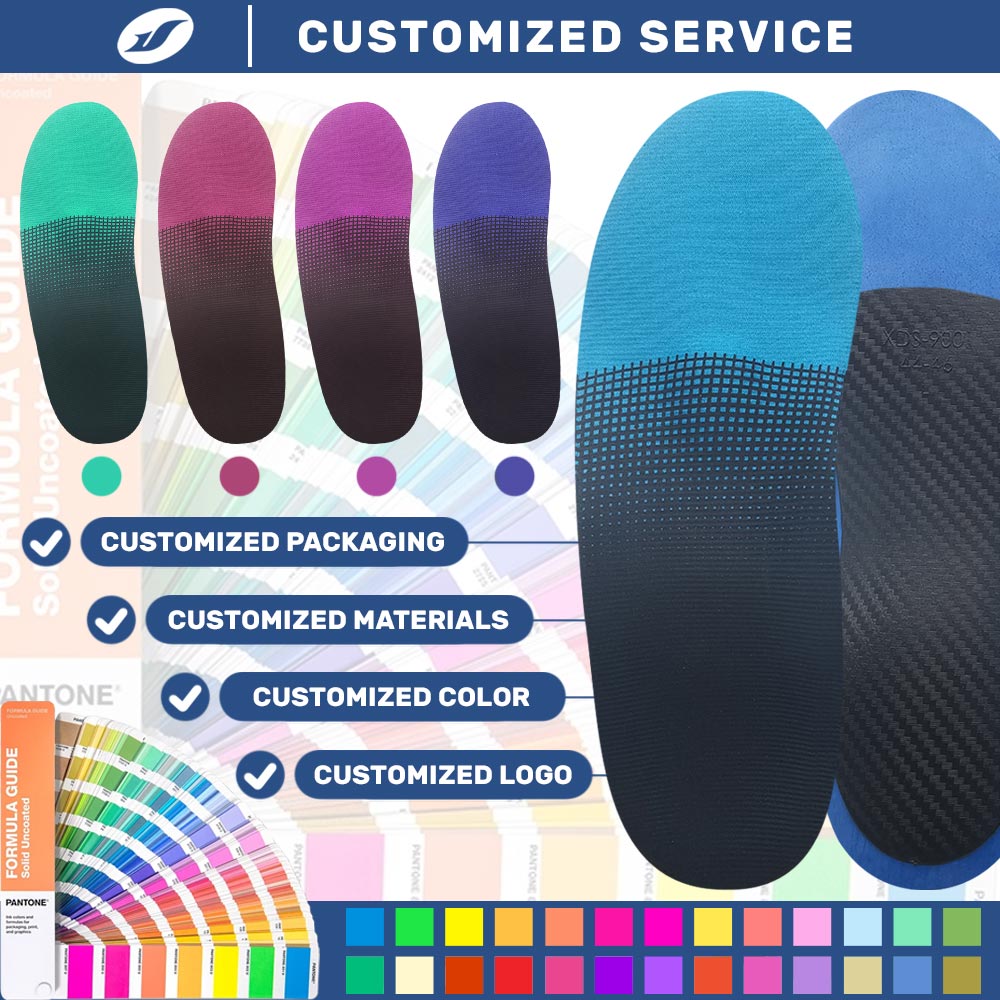
OEM Development Example: High Arch Support Insoles for a Foot Care Brand
A foot care brand was developing a private-label high arch support insole for daily footwear applications. The main requirement was to provide stronger support while keeping the product comfortable for long-term use.
The main development challenge was avoiding excessive pressure under the arch while maintaining enough structural support.
The development approach included:
- Multi-density EVA construction
- Optimized arch support profile
- Targeted cushioning zones
- Breathable top fabric
After prototype evaluation and structural adjustments, the product moved into stable production.
This type of development process allows brands to reduce trial-and-error costs and improve confidence before launching new products.
Choosing the Right Orthotic Insole Manufacturer
For companies developing high arch orthotic insoles, selecting a supplier requires more than checking production capacity.
An experienced orthotic insole manufacturer should be able to support:
- Product structure development
- Material recommendation
- Prototype sampling
- OEM and ODM production
- Private label solutions
Manufacturing experience is especially important when products require specific support structures, customized materials, and consistent quality across large production runs.
Conclusion: Developing Better High Arch Orthotic Insoles Through Professional Manufacturing
The development of the best orthotic insoles for high arches requires a combination of biomechanics understanding, material knowledge, prototype experience, and manufacturing capability.
For brands and distributors, the right OEM partner can provide support throughout the entire process, from initial product concepts and material selection to prototype improvement and mass production.
Ideastep provides custom orthotic insoles development, prototype sampling, and OEM/ODM manufacturing solutions for global brands and distributors. Whether you are creating a new high arch support insole or improving an existing product line, our team can help evaluate design requirements and develop a production-ready solution.
Contact our team to discuss your high arch orthotic insole project and explore possible cooperation opportunities.
Related Reading:
Running Insoles for High Arches
Insoles for High Arches and Supination