Developing orthotic insoles for metatarsalgia is not simply about adding extra cushioning under the forefoot. The challenge is creating a product that balances pressure distribution, support, flexibility, and long-term wearing comfort.
For foot care brands, footwear companies, and distributors, selecting an experienced orthotic insole manufacturer can help transform product concepts into reliable solutions suitable for commercial production.
Key Design Considerations for Metatarsalgia Orthotic Insoles
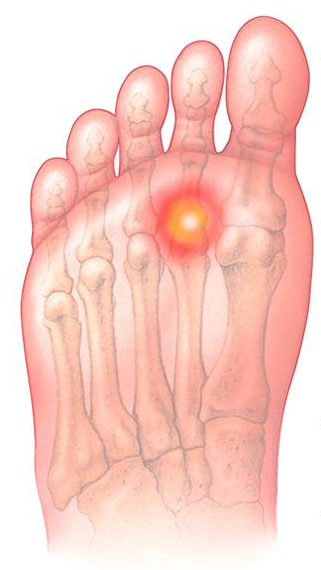
Metatarsalgia-focused insoles require careful design around forefoot pressure management while maintaining overall foot support.
During product development, manufacturers usually evaluate:
- Metatarsal support structure
- Cushioning performance
- Arch support balance
- Material combination
- Footwear compatibility
The goal is not to create the softest insole, but to achieve the right balance between comfort and structural support.
Metatarsal Support Structure and Cushioning Design
The metatarsal support area plays an important role in product performance.
During development, factors such as support position, height, and firmness often require adjustment through prototype testing. Small changes in this area can influence the final wearing experience.
For cushioning, professional insole designs usually combine different material densities instead of using a single soft layer.
A multi-density structure may include:
- Cushioning areas for comfort
- Support areas for stability
- Reinforced sections for durability
This approach allows brands to develop products suitable for different applications, from daily comfort insoles to more structured orthotic solutions.
Material Selection for Metatarsalgia Insoles
Material selection directly affects comfort, durability, and product positioning.
EVA Foam for Adjustable Support Performance
EVA remains one of the most commonly used materials in orthotic insole manufacturing because its density, hardness, rebound, and compression resistance can be adjusted according to product requirements.
For projects requiring additional cushioning or structural control, PU cushioning layers or TPU reinforcement components can also be integrated.
In actual production, material combinations are usually selected based on:
- Target users
- Footwear type
- Support requirements
- Expected product positioning
From Prototype Development to Mass Production
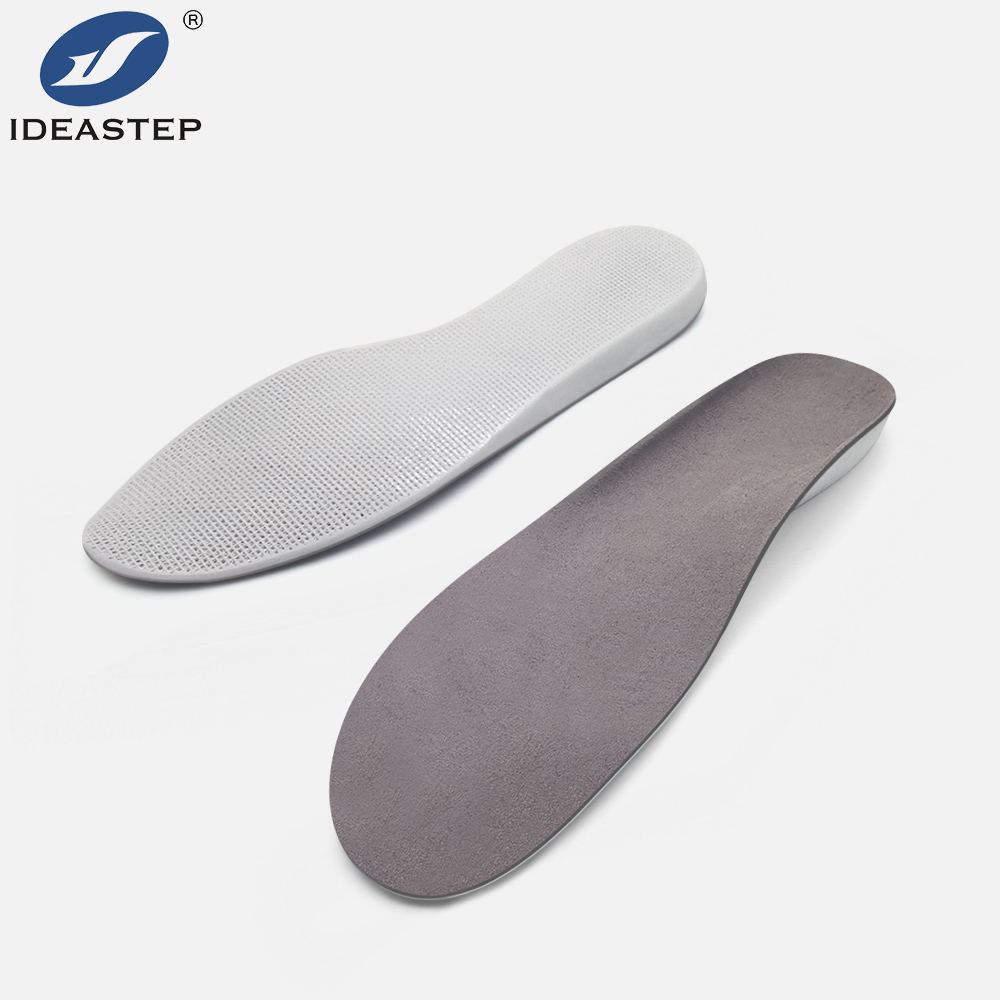
In custom insole projects, the first sample is rarely the final version. Prototype testing helps identify improvements before mass production begins.
Product Requirement Analysis
Before sampling, manufacturers need to understand:
- Product application
- Target market
- Support level
- Material preferences
- Cost requirements
Different applications require different structures. For example, a daily comfort insole and a sports orthotic insole may use completely different material combinations.
Prototype Optimization
During sampling, adjustments may include:
- Metatarsal support position
- Foam density
- Forefoot thickness
- Arch structure
- Top cover materials
Based on practical development experience, many product improvements happen during this stage. Early adjustments can help brands avoid unnecessary changes after production starts.
Production Preparation
Before bulk manufacturing, suppliers need to confirm:
- Material consistency
- Product dimensions
- Bonding quality
- Production stability
For brands building long-term product lines, consistent manufacturing quality is essential.
Custom Metatarsalgia Insoles for Different Markets
Different customers may require different product approaches.
Foot care brands often focus on daily comfort and balanced support, while sports and occupational footwear products may require stronger cushioning, durability, and stability.
Through customization, brands can adjust:
- Support structures
- Material combinations
- Product thickness
- Surface materials
- Private label solutions
Choosing an Experienced Orthotic Insole Manufacturer
A reliable supplier should provide more than production capacity.
For OEM and ODM projects, brands often need support with:
- Product development
- Material selection
- Prototype sampling
- Structural optimization
- Quality control
An experienced manufacturer can help reduce development time and improve production efficiency.
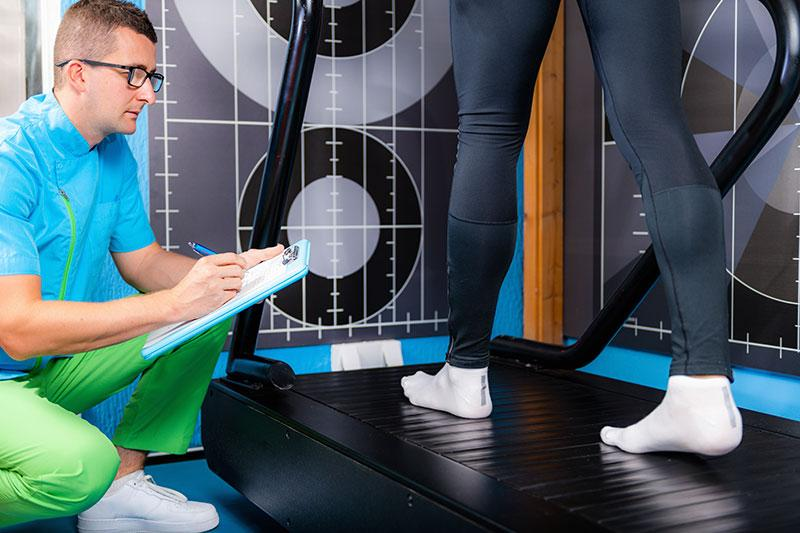
OEM Development Example
A foot care brand wanted to develop a daily-use metatarsalgia support insole with improved forefoot cushioning.
During the first prototype evaluation, the support level was effective but the overall feeling was too firm.
Through adjustments to:
- EVA density combination
- Metatarsal support structure
- Cushioning area
- Top cover material
The final design achieved a better balance between support and comfort while meeting production requirements.
This type of optimization process is common in custom orthotic insole development.
Conclusion: Building Better Metatarsalgia Orthotic Insoles
The development of the best orthotic insoles for metatarsalgia requires a combination of structural design, material knowledge, prototype experience, and manufacturing capability.
Ideastep provides custom orthotic insoles development, prototype sampling, and OEM/ODM manufacturing solutions for global foot care brands and distributors.
From material selection and structure optimization to mass production preparation, our team helps customers develop reliable orthotic insole products for different markets.
If you are planning a metatarsalgia insole project or looking to expand your orthotic product line, contact our team to discuss your requirements.
Related Reading: Can Insoles Cure Metatarsalgia?.