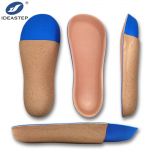
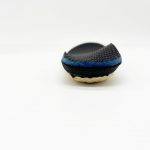
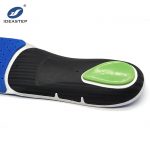
TPU orthotic shells are structural components used in custom foot orthoses, particularly in designs requiring a balance of flexibility and support. For podiatry clinics, orthotic laboratories, and insole manufacturers, shell selection involves several factors, including material hardness, thickness, arch geometry, and fabrication compatibility.
This guide examines the key design considerations, manufacturing processes, and sourcing requirements for TPU orthotic shells, helping professional buyers make informed decisions for custom production and bulk supply.

1. What Is a TPU Orthotic Shell?
A TPU orthotic shell is a structural component made from thermoplastic polyurethane (TPU). Its material properties can be adjusted through formulation and processing to meet different design requirements.
Unlike foam cushioning layers, a TPU shell provides structural support within an orthotic assembly. It can help maintain the designed shape of the device and serve as a base for additional materials.
Common applications include:
- Custom functional foot orthoses
- Semi-rigid orthotic insoles
- Sports orthotic products
- Medical and professional orthotic devices
For manufacturers, TPU offers flexibility in shell development, with options for different hardness levels, thicknesses, and structural configurations.
2. Key Design Factors for TPU Orthotic Shells
The performance of a TPU orthotic shell depends on its material properties and geometry. Several specifications should be established before production.
Material Hardness
Hardness affects the shell’s resistance to deformation and overall flexibility. Higher hardness generally provides greater resistance to bending, while lower hardness allows more deformation.
The appropriate specification depends on the intended support level, shell thickness, and overall design. Buyers should evaluate material samples rather than select hardness based on nominal values alone.
Shell Thickness
Thickness directly influences shell stiffness, weight, and flexibility. Thicker sections generally provide greater bending resistance, while thinner sections allow more movement.
Manufacturers should consider the required support, available shoe space, and compatibility with cushioning layers when determining shell thickness.
Arch Profile and Heel Cup
Arch height and heel cup geometry define much of the shell’s structural design.
Different orthotic specifications may require low, medium, or high arch profiles. Heel cup depth and shape should also match the intended orthotic design.
For custom production, CAD-based development helps manufacturers control these dimensions and maintain consistency across different sizes.
Shell Length and Edge Profile
TPU shells are commonly designed in full-length, three-quarter-length, or custom configurations.
The appropriate length depends on the overall insole construction and intended footwear application.
Edge profiles also require attention. Sufficient trimming allowance and consistent edge thickness make subsequent grinding, finishing, and assembly more efficient.
3. Selecting TPU Orthotic Shells for Different Applications
Shell specifications should match the intended product and fabrication requirements.
These products often combine a TPU shell with EVA, PU, or other cushioning materials. Shell rigidity, thickness, and arch geometry need to match the overall construction.
Sports applications place greater emphasis on shell weight, resistance to repeated loading, and compatibility with cushioning components. Material selection should reflect the intended activity and footwear design.
Work and Safety Shoe Insoles
Limited internal shoe space makes shell thickness and dimensions important. Manufacturers should consider the footwear structure and the required space for additional insole layers.
Medical and Professional Orthoses
These products may involve specific structural and dimensional requirements based on clinical prescriptions. Shell geometry and material specifications should follow the approved design.
4. TPU Orthotic Shell Fabrication Process
The fabrication method depends on the TPU grade, shell geometry, and available manufacturing equipment. A typical production workflow includes the following stages.
Step 1: Design Preparation
Foot scans, casts, positive models, or CAD files can provide the reference data for shell development.
Key design inputs include arch profile, heel cup dimensions, shell length, and thickness distribution.
Step 2: CAD Design and Specification Confirmation
CAD software allows manufacturers to develop and adjust shell geometry before production.
Dimensions, contours, and edge profiles should be confirmed before tooling or manufacturing begins. Clear specifications also simplify repeat orders.
Step 3: TPU Shell Manufacturing
Depending on the material formulation and product design, TPU shells may be manufactured through injection molding, thermoforming, or other suitable processes.
Processing temperature, mold design, and cooling conditions must match the selected TPU grade and manufacturing method.
Step 4: Trimming and Finishing
After forming, shells may require trimming, edge grinding, and dimensional adjustment.
The finished shell should meet the agreed specifications and be ready for subsequent assembly.
Step 5: Multilayer Insole Assembly
TPU shells can be integrated with different materials to form complete orthotic products.
Common combinations include:
- EVA foam: Used for cushioning and base construction.
- PU foam: Adds cushioning and adjusts the insole structure.
- PORON: Used in designs requiring additional cushioning properties.
- Fabric covers: Provide the finished upper surface.
Material compatibility and bonding requirements should be verified during product development.
Step 6: Quality Inspection
Before shipment or assembly, manufacturers should check:
- Dimensional accuracy
- Thickness consistency
- Surface quality
- Structural integrity
- Compliance with approved specifications
For bulk orders, consistent inspection standards are essential for maintaining batch quality.

5. TPU vs. PP vs. EVA for Orthotic Shell Applications
| Comparison | TPU | PP | EVA |
|---|---|---|---|
| Material type | Thermoplastic polyurethane | Polypropylene | Ethylene-vinyl acetate |
| Main characteristics | Elasticity and abrasion resistance | Structural rigidity | Cushioning and flexibility |
| Typical applications | Orthotic shells and structural components | Rigid orthotic shells | Insole bases and cushioning layers |
| Key design factors | Hardness and thickness | Stiffness and thickness | Density and compression behavior |
TPU is suitable for designs requiring a combination of flexibility and structural performance. PP is commonly used where greater rigidity is required, while EVA is widely applied in cushioning and foam-based insole construction.
The choice depends on the intended function, shell geometry, and overall product structure. These materials can also be combined within the same orthotic assembly.
6. What to Consider When Sourcing TPU Orthotic Shells
For podiatry clinics, orthotic laboratories, and wholesale manufacturers, supplier selection should focus on product specifications, production consistency, and customization capabilities.
Material Quality and Consistency
Confirm material hardness, thickness, and relevant mechanical properties. Samples and supporting test reports can help verify whether the material meets the required specifications.
Custom Design Capabilities
Check whether the supplier can accommodate different shell dimensions, arch profiles, heel cup configurations, and lengths.
The ability to work from CAD drawings or reference samples is particularly useful for OEM and private-label projects.
Fabrication Compatibility
The shell should be compatible with the buyer’s existing manufacturing processes. Consider forming methods, trimming requirements, bonding procedures, and integration with EVA or PU components.
MOQ and Production Capacity
For bulk sourcing, confirm minimum order quantities, sample availability, production lead times, and repeat-order capacity.
Stable production and clear delivery arrangements are important for long-term supply planning.
Quality Control and Technical Support
A reliable supplier should have clear inspection procedures and be able to communicate technical specifications effectively.
For custom projects, sample approval before mass production helps reduce dimensional and material-related discrepancies.
7. Frequently Asked Questions About TPU Orthotic Shells
What hardness is suitable for TPU orthotic shells?
The appropriate hardness depends on shell thickness, geometry, and required support. Buyers should evaluate samples under actual fabrication conditions before confirming specifications.
Can TPU orthotic shells be customized?
Yes. Custom development can cover shell length, thickness, arch profile, heel cup dimensions, and other structural details. CAD drawings and reference samples help define requirements.
Can TPU shells be combined with EVA and PU materials?
Yes. TPU shells can be integrated into multilayer insoles using EVA, PU, and fabric components. Bonding methods and material compatibility should be confirmed during sample testing.
What information is needed for custom TPU shell orders?
Buyers should provide dimensions, technical drawings, material requirements, reference samples, and the intended application. These details help suppliers evaluate the project and recommend suitable specifications.
Can samples be provided before bulk production?
Sample availability depends on the supplier and project requirements. Evaluating samples before mass production helps confirm dimensions, material properties, and fabrication compatibility.
8. TPU Orthotic Shell Manufacturing and Wholesale Supply
Choosing a TPU orthotic shell supplier requires careful evaluation of material specifications, design capabilities, and production consistency.
For businesses developing custom orthotic products or sourcing components for established production lines, reliable manufacturing support is essential.
Ideastep specializes in orthotic insoles and related materials, supporting B2B customers with product development, custom manufacturing, and wholesale supply.
Contact Ideastep to discuss your TPU orthotic shell specifications, request samples, and explore bulk supply options for your orthotic production requirements.