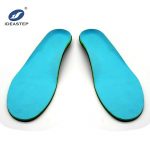
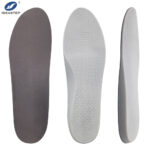
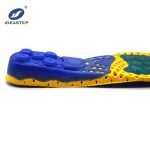
Reliable material sourcing is essential for orthotic insole manufacturers managing regular production and bulk orders. Common materials include EVA foam, PU, PORON, TPU, polypropylene (PP), and textile fabrics. Each has different specifications, processing requirements, and applications.
For manufacturers, wholesale purchasing involves more than comparing unit prices. Material consistency, supply formats, order quantities, and delivery schedules all affect production costs and efficiency. A well-planned sourcing strategy helps maintain stable production while reducing purchasing and inventory pressure.
1. Common Materials for Orthotic Insole Manufacturing
Manufacturers typically source several material types to meet different structural and cushioning requirements.
EVA Foam
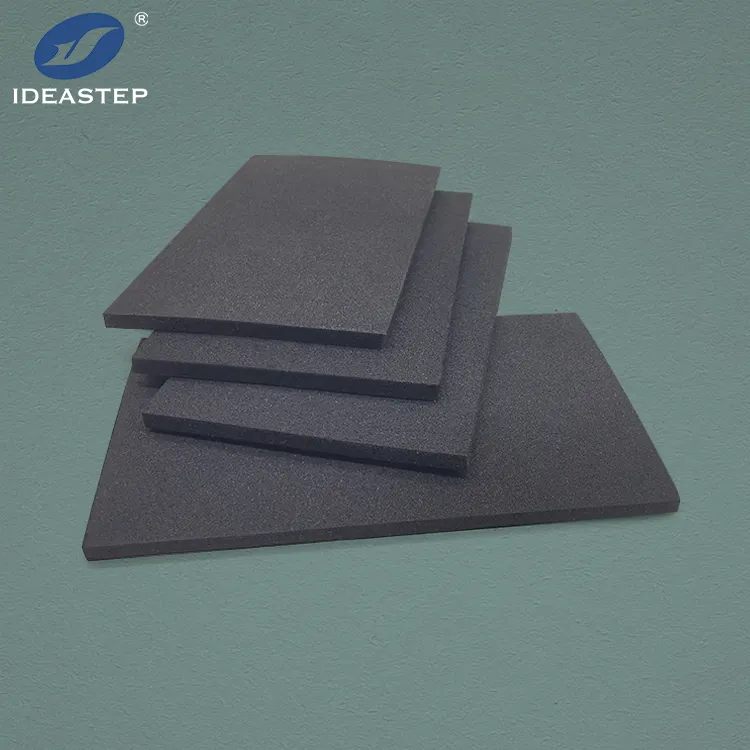
EVA foam is widely used for insole bases, cushioning layers, and support structures. Its lightweight properties and processing flexibility make it suitable for cutting, CNC milling, and molding.
Wholesale options include different densities, hardness levels, thicknesses, and colors. These specifications allow manufacturers to select suitable grades for different product constructions.
PU and PORON
PU foam and PORON are commonly used for cushioning and shock absorption. Their compression and recovery characteristics vary by grade, making specification control important when sourcing materials for repeat production.
Both are available in different thicknesses and supply formats, depending on the manufacturing requirements.
TPU and Polypropylene (PP)
TPU is used in flexible support components and reinforcement structures. Its elasticity and abrasion resistance make it suitable for selected orthotic applications.
PP is generally used for semi-rigid or rigid support shells. Supplied mainly in sheet form, it can be processed through thermoforming to achieve the required geometry.
Textile and Top Cover Materials
Fabric, mesh, and microfiber are commonly used as insole top covers. Manufacturers can source these materials in rolls for continuous cutting and lamination, with specifications based on thickness, texture, color, and surface requirements.
2. Wholesale Supply Formats
The supply format should match the factory’s equipment, processing methods, and production volume.
| Supply Format | Common Materials | Manufacturing Applications |
|---|---|---|
| Sheets | EVA, PU, PORON, TPU, PP | Die cutting, CNC milling, lamination, thermoforming |
| Blocks | EVA and selected PU materials | CNC machining and custom shaping |
| Rolls | PORON and textile fabrics | Continuous cutting and lamination |
| Pre-Cut Components | Selected foam and support materials | Standardized assembly and production |
Sheets and blocks are suitable for factories using cutting or machining equipment. Meanwhile, roll materials support continuous processing, while pre-cut components can reduce preparation work for standardized production.
Selecting the appropriate format can also improve material utilization and reduce unnecessary processing.
3. Specifications to Confirm Before Bulk Purchasing
Clear technical specifications help prevent material inconsistencies and production problems. Before confirming an order, manufacturers should check:
- Density and hardness: Affect cushioning, firmness, and structural performance.
- Thickness and tolerance: Influence layer construction and finished product dimensions.
- Compression properties: Compression recovery and compression set are important for evaluating foam performance.
- Material dimensions: Sheet and block sizes should match cutting and machining requirements.
- Surface quality: Check for uneven surfaces, contamination, and visible defects.
- Color consistency: Important for products with defined appearance requirements.
- Technical documentation: Request available specifications and relevant test reports.
In addition, sample materials should be evaluated using the intended production process. This helps identify potential issues with cutting, bonding, molding, or thermoforming before a large order is placed.
4. Bulk Purchasing Strategies
Purchasing plans should reflect production volume, material consumption, and inventory capacity. For manufacturers handling multiple insole models, three approaches are particularly practical.
Regular Bulk Orders
Factories with stable production demand can purchase frequently used materials in planned quantities. Standardized specifications and repeat ordering help simplify procurement and maintain supply continuity.
Project-Based Purchasing
Specialized materials required for specific customer orders or new product development can be purchased according to approved project specifications. This approach helps avoid unnecessary inventory, particularly for less frequently used TPU, PP, or specialized cushioning components.
Forecast-Based Purchasing
Manufacturers managing several product lines can estimate material requirements based on production forecasts. Coordinating orders across different models helps control inventory levels and reduce the risk of material shortages.
5. Evaluating Wholesale Prices and Purchasing Costs
Unit price is only one part of the total purchasing cost. Material grade, dimensions, order quantity, processing requirements, and transportation can all affect the final cost.
When comparing supplier quotations, manufacturers should consider:
- Material grade: Different density, hardness, and performance specifications affect pricing.
- Dimensions and thickness: These determine material consumption and usable output.
- Order quantity: Larger volumes may offer more competitive unit pricing, depending on supplier terms.
- Special requirements: Custom colors, specifications, or additional processing may increase costs.
- Packaging and shipping: Freight arrangements and packaging requirements should be included in cost calculations.
- Material waste: Unsuitable formats or inconsistent dimensions can increase cutting losses.
For accurate comparisons, request quotations based on identical specifications, quantities, and delivery terms. This provides a clearer picture of the actual sourcing cost.
6. Maintaining Quality Across Bulk Orders
Material consistency is critical for repeat production. Variations in density, hardness, thickness, or surface quality can affect processing and finished insole dimensions.
Manufacturers should establish approved specifications and maintain records for each material batch. Incoming inspections should verify key properties against the agreed requirements, while production checks can identify problems related to cutting, bonding, or forming.
Material substitutions also require approval. Even products with similar specifications may behave differently during processing.
A consistent inspection and documentation process helps reduce production variations and supports reliable repeat orders.
7. Selecting a Wholesale Orthotic Material Supplier
A reliable supplier should offer suitable materials, stable specifications, and the capacity to support ongoing production.
Key evaluation criteria include:
- Material range: Access to EVA, PU, PORON, TPU, PP, and textile materials.
- Specification options: Different densities, hardness levels, thicknesses, and dimensions.
- Bulk supply capacity: Ability to meet order quantities and delivery schedules.
- Sample availability: Samples for technical evaluation before bulk purchasing.
- Quality consistency: Stable material specifications across repeat orders.
- Technical communication: Clear product information and responsive support.
- OEM/ODM experience: Experience supplying materials for custom insole development.
Before entering long-term cooperation, manufacturers should verify samples, confirm specifications, and assess the supplier’s ability to maintain consistent supply.
Conclusion
Wholesale sourcing of orthotic insole materials requires control over specifications, supply formats, purchasing costs, and batch consistency. A structured sourcing process helps manufacturers manage material inventory, reduce production waste, and maintain reliable output.
Ideastep supplies EVA foam and other materials for orthotic insole manufacturing, supporting wholesale orders and OEM/ODM projects. Contact our team to discuss your material requirements and bulk purchasing plans. Free samples are available upon request.
Related Reading: Orthotic Material Supplies for Insole Manufacturers Working with Different Material Combinations.