Developing Orthotic Insoles for High Arch and Supination Needs
Foot structure and movement patterns have a direct impact on footwear comfort and performance. For users with high arches and supination, standard flat insoles may not provide enough support because pressure is often concentrated on specific areas of the foot.
When developing insoles for high arches and supination, manufacturers need to consider more than cushioning. A successful design should balance arch support, impact absorption, stability, and long-term durability.
For footwear brands, orthopedic suppliers, and foot care companies, choosing the right insole solution means finding a product that can meet specific market requirements while providing consistent performance.
Why High Arches and Supination Need Specialized Insoles
High arches change the way the foot contacts the ground. Compared with a neutral foot structure, less surface area is involved in weight distribution, which may increase pressure on the heel and forefoot.
Supination can further affect movement by causing the foot to roll outward during walking or running. This may reduce natural shock absorption and create uneven loading patterns.
Common challenges include:
- Increased heel and forefoot pressure
- Reduced impact absorption
- Uneven weight distribution
- Foot fatigue during prolonged standing or activity
- Reduced stability inside footwear
For this reason, specially designed orthotic insoles are often developed with targeted support structures rather than simple flat cushioning layers.
Key Design Features of Insoles for High Arches and Supination
Anatomical Arch Support Design
A properly shaped arch support structure helps create better contact between the foot and the insole.
For high arch users, the arch area needs to provide enough support without creating excessive pressure. The ideal structure depends on factors such as:
- Foot shape
- Arch height
- Activity level
- Intended footwear
For example, sports footwear may require flexible support, while work footwear may need stronger stability and durability.
Cushioning and Impact Absorption
High arches often require additional shock absorption because the foot may not naturally distribute impact as efficiently.
Common cushioning materials used in orthotic insole development include:
- EVA foam
- PU foam
- Memory foam
- Gel cushioning layers
Different materials provide different performance benefits:
- EVA offers lightweight cushioning and durability.
- PU provides resilience and long-term comfort.
- Memory foam improves pressure comfort.
- Gel components help reduce impact in key areas.
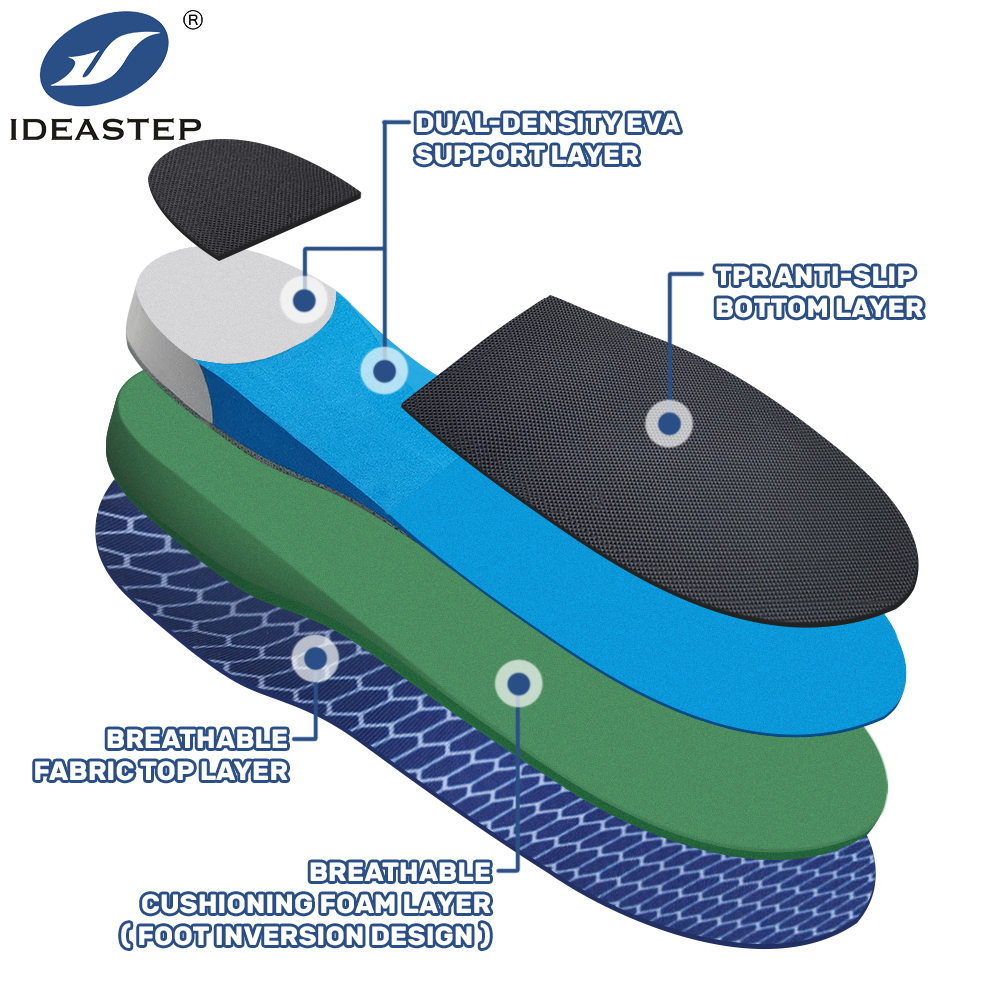
A well-designed insole usually combines multiple materials to achieve a balance between softness, support, and durability.
Heel Stabilization and Motion Control
For users with supination, heel stability is an important design consideration.
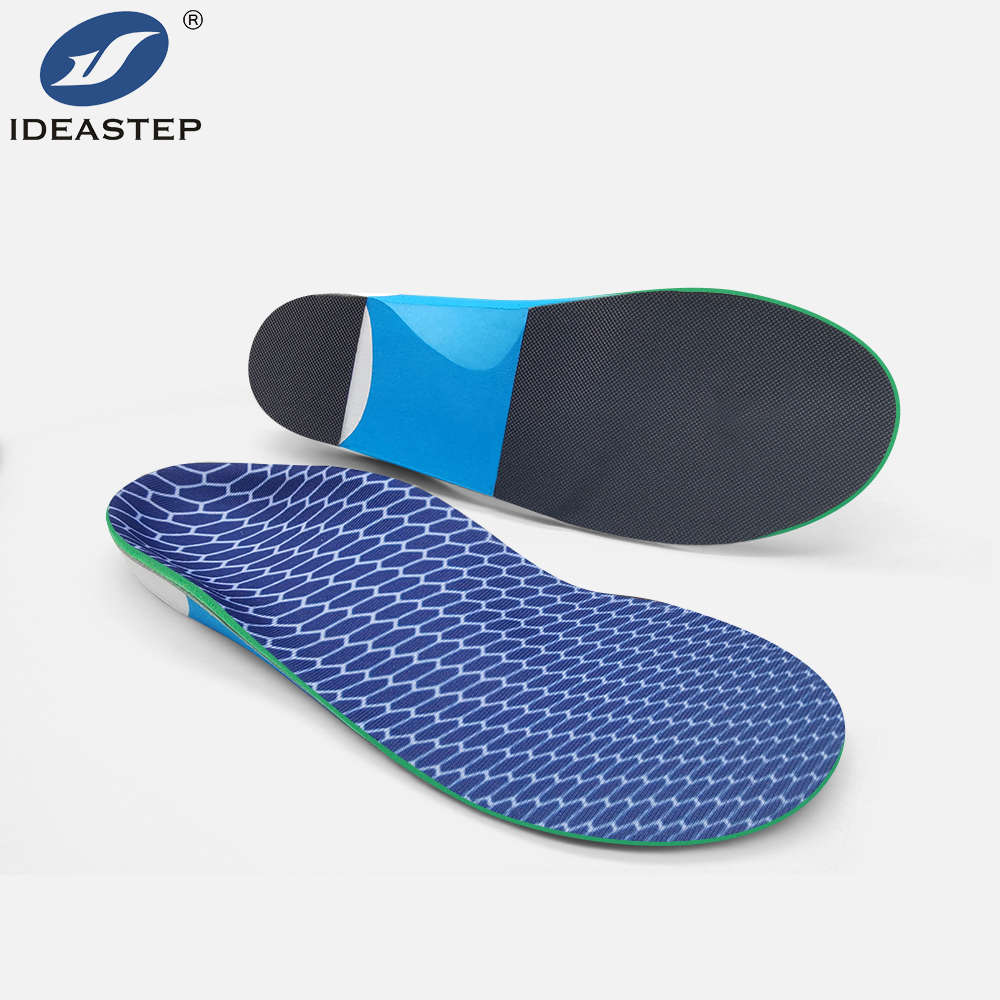
A structured heel cup and reinforced support base can help improve foot positioning inside the shoe and provide a more stable foundation during movement.
Key structural elements may include:
- Deep heel cup design
- Reinforced heel areas
- Stable support layers
These features help create a more controlled and comfortable walking experience.
Pressure Distribution Management
Effective orthotic insoles are designed to manage pressure rather than simply add thickness.
Multi-density constructions can help balance different areas of the foot, including:
- Heel impact zones
- Arch support areas
- Forefoot cushioning sections
This type of design is especially valuable for users who spend long hours standing, walking, or participating in sports activities.
Insoles for Different Footwear Applications
Sports and Running Footwear
Athletes with high arches and supination often require insoles that provide support without limiting natural movement.
Sports insole designs typically focus on:
- Lightweight construction
- Responsive cushioning
- Stable arch support
- Shock absorption performance
The goal is to improve comfort and stability during repeated movement.
Work and Safety Footwear
Many professionals spend extended periods standing on hard surfaces, including workers in manufacturing, healthcare, logistics, and retail industries.
For these applications, insoles should provide:
- Durable cushioning performance
- Reliable support structure
- Long-lasting comfort
- Moisture control features
The design needs to maintain performance throughout daily use.
Everyday Comfort Footwear
Daily-use insoles require a balance between support and comfort.
Typical features include:
- Moderate arch support
- Flexible structure
- Breathable top layers
- Lightweight cushioning
These solutions are suitable for walking shoes, casual footwear, and lifestyle products.
Custom Development of High Arch Supination Insoles
Developing professional orthotic insoles requires careful consideration of materials, structure, and application requirements.
For brands and distributors, customization allows products to better match their target customers and market positioning.
Material Selection
Material combinations can be adjusted according to performance requirements.
Common customization options include:
- EVA density and hardness
- Foam layer combinations
- Cushioning materials
- Top cover fabrics
- Support components
The right material combination helps balance comfort, durability, and production efficiency.
Structural Customization
Different users and footwear categories require different support levels.
Product adjustments may include:
- Arch height
- Insole thickness
- Support firmness
- Cushioning zones
- Overall shape
This flexibility allows manufacturers to develop products for specific applications rather than relying on standard designs.
OEM and Private Label Solutions
For footwear brands, medical suppliers, and distributors, OEM and private label manufacturing provides opportunities to create differentiated insole products.
A professional manufacturing partner can support:
- Product development
- Prototype creation
- Material recommendations
- Design adjustments
- Packaging customization
- Bulk production
This helps businesses develop reliable products while reducing internal development costs and production challenges.
What B2B Buyers Should Look for in an Insole Manufacturer
Product Development Experience
A manufacturer with experience in orthotic design can provide better solutions based on different applications and market requirements.
Stable Manufacturing Quality
Consistent production processes help ensure that approved samples and mass-produced products maintain the same performance standards.
Flexible Customization Capability
Different markets require different product features. A supplier with OEM and ODM experience can provide more flexible solutions for brands and distributors.
Building Better Foot Support Solutions
The development of insoles for high arches and supination requires a combination of biomechanical understanding, material knowledge, and manufacturing experience.
A well-designed orthotic insole should provide balanced support, effective cushioning, and reliable stability for different footwear applications.
For footwear companies, healthcare suppliers, and distributors, working with an experienced insole manufacturer can help create products that meet market expectations while supporting long-term business growth.
By focusing on customized design, quality manufacturing, and practical application needs, professional orthotic insole solutions can deliver better comfort and performance for users worldwide.
Related Reading:
Product Introduction Guide: kids insoles for high arches
What is orthopedic insoles for high arches?