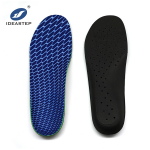
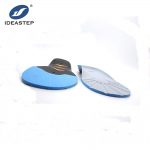
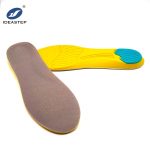
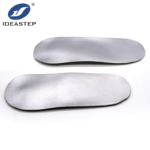
Athletic insoles must perform under changing movement conditions. Running, jumping, and lateral movement place different demands on the foot and footwear. Therefore, insole design needs to account for these differences through material selection, geometry, and structural support.
For sports brands and orthotic product manufacturers, developing custom orthotics for athletes involves balancing three properties: stability, cushioning, and flexibility. A rigid construction may restrict natural movement, while a soft foam base may lack sufficient support under repeated loading.
The challenge is to combine these features without making the product unnecessarily heavy or thick. This article examines how sport-specific requirements, material combinations, and manufacturing decisions influence athletic orthotic development.

1. Match Insole Design with the Intended Sport
Different sports involve different movement patterns and footwear requirements. A running insole, for example, has different design priorities from a basketball or training insole. These differences should guide product development from the beginning.
Running Insoles: Cushioning and Structural Consistency
Running involves repeated loading throughout each stride. The insole should maintain its structure while providing suitable cushioning and a smooth heel-to-forefoot transition.
Manufacturers should consider EVA or PU density, cushioning thickness, arch profile, overall weight, and compatibility with running shoe interiors. Excessive thickness may reduce available shoe volume, so material selection should reflect the intended footwear.
Basketball Insoles: Support During Dynamic Movement
Basketball combines jumping, landing, acceleration, and frequent direction changes. These movements place different demands on the heel, arch, and forefoot.
A suitable construction may combine a contoured heel cup, reinforced arch structure, and flexible forefoot section. TPU or PP components can provide additional support in selected areas without making the entire insole rigid.
Training Insoles: Versatility Across Activities
Training footwear accommodates activities such as strength exercises, short runs, jumping, and lateral movement. A balanced EVA base, moderate cushioning, and controlled flexibility can provide a practical starting point.
The main development task is to identify the primary application before selecting materials and structural components.
2. Balancing Stability, Cushioning and Flexibility
These three properties influence one another. Changes in material hardness, thickness, or reinforcement position can affect the overall construction. Manufacturers should evaluate them together rather than treating each feature separately.
Stability: Maintaining Structural Support
Stability depends on how well the insole maintains its intended shape under load. Common design features include:
- Contoured arch support
- Deep or semi-deep heel cups
- TPU or PP reinforcement shells
- Multi-density foam construction
- Controlled support around the rearfoot and midfoot
A thermoplastic shell can reinforce selected areas beneath the arch. However, its thickness, curvature, and position must match the intended footwear and product specifications. Greater rigidity is not always necessary.
Cushioning: Selecting Materials for Repeated Compression
Cushioning depends on more than initial softness. Material density, thickness, compression behavior, and recovery characteristics all influence performance during repeated use.
EVA and PU are common choices for athletic insole bases. Additional materials, such as PORON-type foam, can be incorporated into selected areas. Manufacturers should also consider bonding compatibility and overall thickness.
Flexibility: Controlling Movement Across Different Zones
Different insole sections may require different flexibility levels. The forefoot needs to accommodate bending, while the heel and midfoot may require greater structural support.
Manufacturers can adjust these characteristics through material density, component thickness, and reinforcement placement. For example, a reinforced rearfoot and midfoot combined with a more flexible forefoot can provide a balanced construction.
3. Material Combinations for Athletic Orthotic Insoles
Material selection directly affects insole weight, cushioning, flexibility, and structural support. Combining different materials allows manufacturers to develop constructions that meet specific product requirements.
| Material | Main Characteristics | Common Application |
|---|---|---|
| EVA | Lightweight, available in different densities and hardness levels | Base layers and cushioning |
| PU | Cushioning and compression characteristics | Comfort layers |
| TPU | Flexible thermoplastic with structural support potential | Arch reinforcement and support shells |
| PP | Relatively rigid and shape-retaining | Semi-rigid and rigid support components |
| PORON-type Foam | Soft cushioning and compression recovery characteristics | Targeted cushioning zones |
| Natural Cork | Cellular structure and adjustable construction options | Selected base and support designs |
Multi-Density EVA Construction
Multi-density EVA combines different hardness levels within one product. Firmer sections can provide structural support, while softer foam can be used in selected cushioning areas.
The density arrangement should follow the intended construction. Adding more layers does not automatically improve the finished product.
EVA with TPU or PP Reinforcement
An EVA base combined with a TPU or PP shell offers another option for athletic orthotic development. The EVA forms the main base, while the thermoplastic component reinforces selected areas.
Manufacturers should review shell curvature, edge transitions, bonding compatibility, and overall thickness during sample development.
Targeted Cushioning Components
Some designs incorporate additional cushioning in the heel or forefoot rather than across the entire insole. PORON-type foam and other cushioning materials can be positioned according to product specifications.
This approach provides better control over material distribution and avoids unnecessary layers.
4. Ensure Compatibility with Athletic Footwear
An athletic orthotic should be developed with its intended footwear in mind. Even a well-designed support structure may create fitting problems if it does not match the shoe’s internal dimensions.
Key factors include:
- Internal shoe volume: Insole thickness affects the available space, particularly when reinforcement shells or multiple cushioning layers are used.
- Heel counter design: The heel cup should match the shoe’s rearfoot structure.
- Forefoot flexibility: The insole should accommodate the footwear’s bending characteristics.
- Length and edge profile: Full-length and three-quarter constructions may require different specifications.
For OEM projects, buyers can provide shoe last specifications, footwear samples, or internal measurements. These details help manufacturers assess compatibility before tooling and sampling begin.
5. Develop Different Constructions for Different Sports Markets
Sports brands and orthotic distributors often serve several market segments. Rather than using one construction across every category, manufacturers can develop different product platforms.
| Product Category | Design Priorities | Possible Construction |
|---|---|---|
| Running Insoles | Lightweight cushioning and arch support | EVA base with targeted cushioning |
| Basketball Insoles | Heel support and controlled flexibility | EVA with TPU or PP reinforcement |
| Training Insoles | Balanced support and cushioning | Multi-density EVA |
| Court Sport Insoles | Rearfoot structure and forefoot flexibility | Contoured base with selected reinforcement |
| Custom Athletic Orthotics | Application-specific structural requirements | Customized material combinations |
These categories provide a starting point, not fixed specifications. The final construction should reflect the target footwear, product positioning, and buyer requirements.
For distributors, this approach also creates opportunities to build a more organized product range. Different models can share a basic platform while offering variations in arch profiles, cushioning materials, and support components.
6. From Product Brief to Approved Sample
A successful athletic insole project requires a clear development process. Material selection alone cannot determine whether the finished product meets the buyer’s specifications.
Define Project Requirements
Start by identifying the target sport, footwear type, size range, and intended construction. Buyers can provide CAD drawings, existing samples, shoe specifications, or initial design concepts.
Review the First Prototype
The initial sample should be checked against the agreed specifications, including:
- Overall length, width, and thickness
- Arch profile and heel cup geometry
- Material hardness and layer arrangement
- Component alignment and bonding
- Compatibility with the target footwear
Record any differences before moving to final sample approval.
Establish Production Specifications
Once the sample is approved, manufacturers should document material grades, dimensions, component positions, and assembly requirements.
Quality checks may include dimensional inspection, material hardness, bonding quality, compression behavior, and visual consistency. These records provide a reference for repeat orders and production batches.

7. OEM and ODM Development for Athletic Orthotics
OEM and ODM cooperation gives sports brands, footwear manufacturers, and orthotic distributors more flexibility in product development.
Depending on the project, customization may cover:
- Arch profiles and heel cup geometry
- EVA density and hardness combinations
- TPU and PP reinforcement components
- Cushioning materials and placement
- Top-cover fabrics and surface finishes
- Size grading and product variations
- Private-label packaging and branding
Buyers can start with an existing product or provide their own design requirements. The manufacturer can then review the proposed structure, materials, and production feasibility.
Clear specifications also help reduce unnecessary sample revisions. Both parties can confirm the main product requirements before tooling and bulk manufacturing.
8. Custom Athletic Orthotic Manufacturing with Ideastep
Ideastep works with sports brands, footwear manufacturers, orthotic distributors, and wholesale buyers on customized insole development and manufacturing projects.
Our product options include EVA foam bases, multi-density constructions, TPU and PP support components, and customized cushioning combinations.
For new projects, buyers can share CAD drawings, reference samples, footwear specifications, or initial product concepts. Our team can review the proposed construction and discuss material selection, structural options, sample development, and production feasibility.
We also support OEM and ODM cooperation, including customized product configurations and private-label packaging.
Planning a new athletic orthotic product line? Contact Ideastep to discuss your target sport, preferred construction, material requirements, and customization plans. Our team can help assess your project and identify suitable development options.
Conclusion
Developing custom orthotics for athletes requires a balance between stability, cushioning, and flexibility. The right combination depends on the sport, footwear structure, and intended product application.
For B2B buyers, a successful athletic insole needs more than a soft or rigid construction. It requires suitable materials, clearly defined structural specifications, and consistent manufacturing standards.
By connecting sport-specific requirements with practical product engineering, manufacturers can develop differentiated athletic insole ranges for sports brands, footwear companies, and orthotic distributors.