Introduction
For people who spend most of their working hours on their feet, the quality of the insole can make a significant difference in overall footwear comfort. A well-designed insole should not only provide cushioning but also offer proper support, pressure distribution, and long-term durability.
For footwear brands, distributors, and foot care companies, developing good shoe insoles for standing all day requires careful consideration of materials, construction, and user needs. The right design approach helps create products that fit different footwear categories and market applications.
What Makes Good Insoles for Standing All Day?
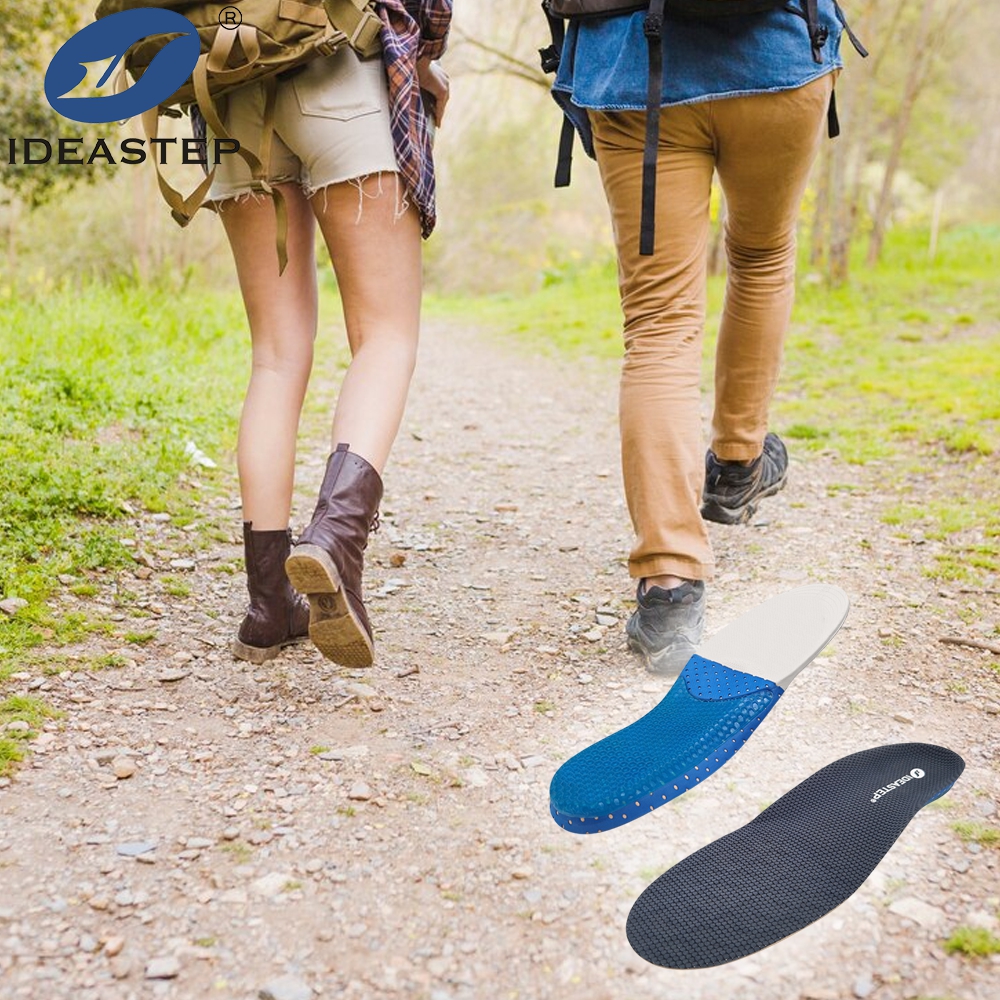
Standing for extended periods places continuous pressure on areas such as the heel, arch, and forefoot. Unlike regular comfort insoles, all-day standing insoles need to maintain a balance between softness and support.
Key performance factors include:
- Effective shock absorption
- Stable arch support
- Balanced pressure distribution
- Comfortable surface materials
- Reliable durability
These elements work together to improve the overall wearing experience in work shoes, casual footwear, and other daily-use applications.
Key Design Features of Standing Comfort Insoles
Cushioning and Impact Absorption
Cushioning is one of the most important factors in insoles designed for long hours of standing.
Materials such as EVA foam, PU foam, and PORON are commonly used because they offer different levels of cushioning and support. By adjusting foam density, thickness, and layer structure, manufacturers can develop products for different comfort requirements.
For example, lightweight footwear may require softer cushioning, while work footwear often needs a more durable construction with stronger support.
Arch Support and Foot Stability
Although standing involves less movement than sports activities, proper arch support is still essential for maintaining foot stability.
The support structure can be adjusted based on the target application, including:
- Flexible comfort support
- Reinforced arch structures
- Thermoplastic support components
A well-balanced design should provide support without making the insole feel too rigid inside the shoe.
Heel and Forefoot Support
The heel and forefoot areas usually experience higher pressure during prolonged standing.
Common design features include:
- Deep heel cup structures
- Additional heel cushioning
- Forefoot comfort zones
These elements can be customized according to footwear type, target users, and product positioning.
Materials Used in All-Day Standing Insoles
Material selection plays an important role in determining comfort, durability, and product performance.
| Material | Function |
|---|---|
| EVA Foam | Provides lightweight cushioning and adjustable firmness |
| PU Foam / PORON | Enhances shock absorption and wearing comfort |
| TPU Support Layer | Improves stability and structural reinforcement |
| Microfiber / Breathable Fabric | Improves surface comfort and moisture management |
In practical product development, materials are usually combined rather than used individually. The final structure depends on factors such as footwear type, target market, and expected performance.
OEM & ODM Customization for Standing Comfort Insoles
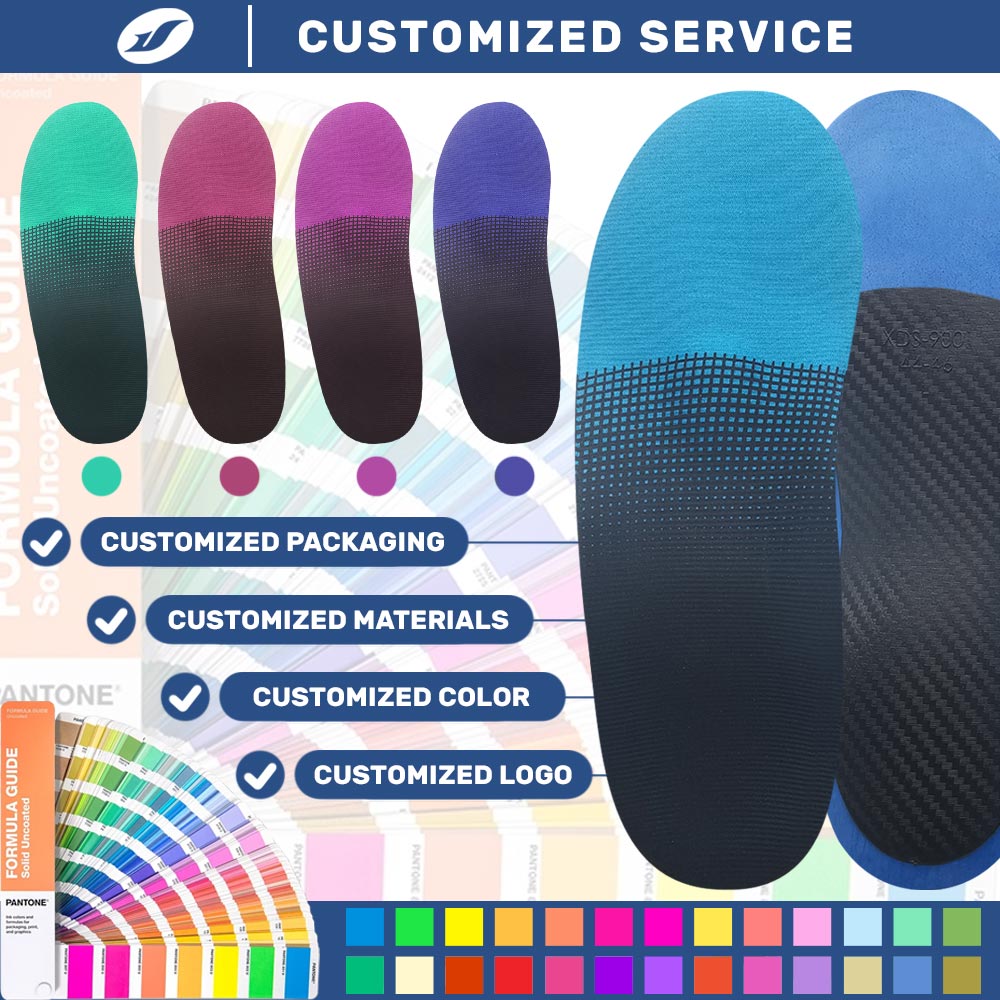
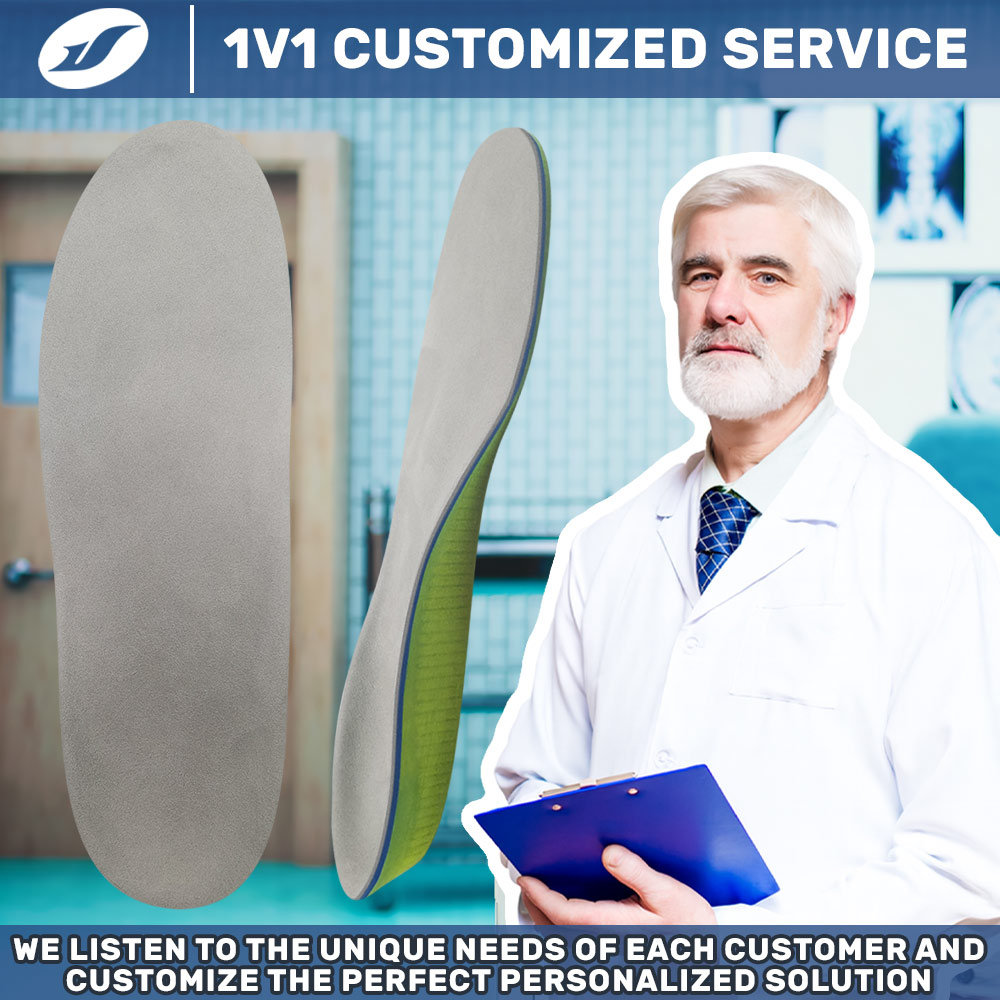
For brands developing their own insole collections, customization is often essential to create products that stand out in the market.
Product Structure Development
Including:
- Cushioning layer design
- Arch support adjustment
- Heel structure optimization
- Material combinations
Private Label Options
Depending on project requirements, customization may include:
- Logo application
- Packaging design
- Product labeling
- Size range
From Prototype to Production
A typical development process includes:
- Product concept discussion
- Sample development
- Design adjustment
- Mass production
This approach allows brands to evaluate product performance before moving into larger production quantities.
Applications of Standing Comfort Insoles
Work and Safety Footwear
Industries such as manufacturing, logistics, and healthcare often require insoles that provide lasting comfort during long working hours.
Common requirements include:
- Durable cushioning
- Stable support
- Compatibility with safety footwear
Retail and Hospitality Footwear
Employees in retail, hospitality, and service industries often spend extended periods standing or walking.
For these markets, lightweight designs with good cushioning and breathability are common product priorities.
Walking and Lifestyle Footwear
Footwear brands can integrate customized insoles into:
- Walking shoes
- Casual shoes
- Lifestyle footwear
to enhance comfort and create additional product value.
Choosing a Standing Insole Manufacturer
When selecting a manufacturing partner, brands should look beyond product pricing and consider development capability and production consistency.
Manufacturing Experience
A suitable supplier should have knowledge of:
- Insole construction
- Material characteristics
- Footwear applications
OEM/ODM Capability
Important capabilities include:
- Custom product development
- Prototype support
- Private label manufacturing
- Bulk production
Quality Control
Consistent production depends on:
- Stable material sourcing
- Standardized manufacturing processes
- Finished product inspection
Conclusion
Developing good shoe insoles for standing all day requires the right balance of cushioning, support, and material selection.
For footwear brands, distributors, and foot care companies, working with an experienced insole manufacturer makes it easier to develop products that match specific market needs.
With the right design and manufacturing approach, customized standing comfort insoles can become a valuable addition to footwear and foot care product portfolios.
Related Reading:
Good Shoe Insoles for Plantar Fasciitis
Sports insoles suitable for high arches