Foot supports for shoes include arch support insoles, cushioning inserts, heel cups, and forefoot pads. For wholesalers and footwear brands, choosing the right product means balancing material performance, shoe compatibility, target cost, and consistent bulk production.
Ideastep supplies insoles and EVA materials for wholesale and OEM/ODM projects, helping buyers develop products for different footwear categories and market requirements.
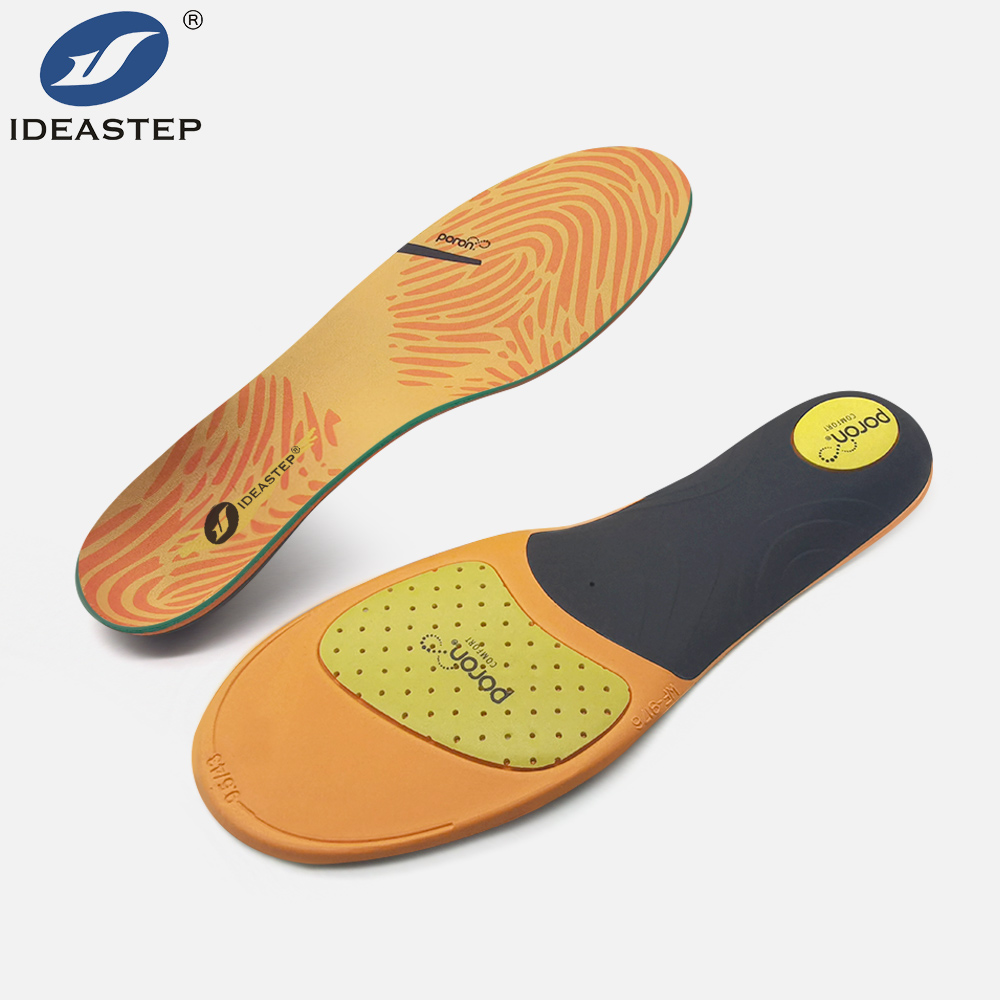
Types of Foot Supports for Shoes
Different footwear applications require different support structures. Buyers should select products based on shoe design, intended use, and target price.
- Arch support insoles: Designed with specific arch profiles for everyday footwear, sports shoes, and foot care product ranges.
- Cushioning insoles: Use materials such as EVA or PU foam to provide underfoot cushioning.
- Heel cups and heel pads: Add cushioning or support around the heel area, depending on the product design.
- Forefoot and metatarsal pads: Provide localized cushioning in the forefoot area.
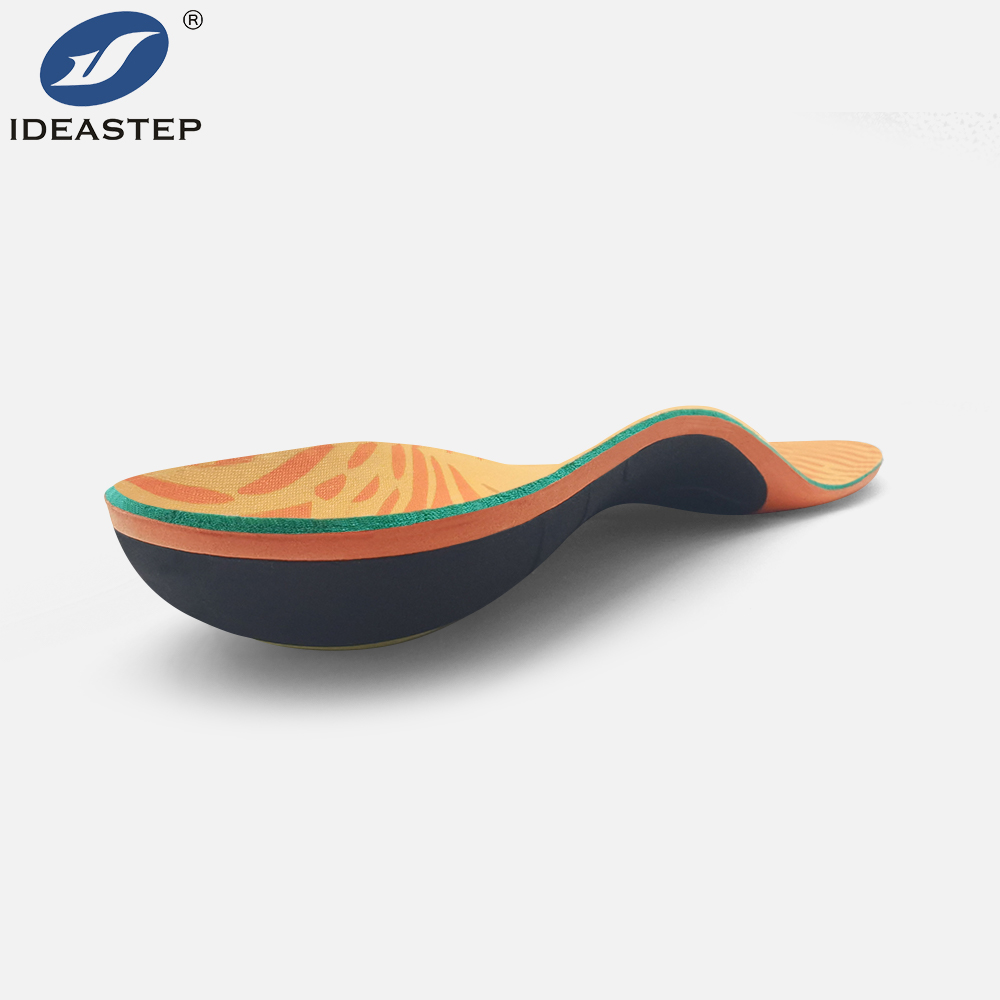
- Full-length and 3/4 insoles: Suit different shoe interiors, available space, and coverage requirements.
For wholesale orders, product dimensions, size ranges, material specifications, and intended footwear should be confirmed before sampling.
Matching Foot Supports to Footwear Categories
Product design should reflect the footwear in which the support will be used. A structure that fits a running shoe may not suit a dress shoe with limited internal space.
| Footwear Category | Key Product Considerations |
|---|---|
| Casual shoes | Everyday cushioning, fit, and durability |
| Sports and running shoes | Cushioning response, flexibility, and secure fit |
| Work and safety shoes | Durability, stable positioning, and compatibility with the shoe interior |
| Dress shoes | Slim profiles and efficient use of internal space |
| Foot care product ranges | Defined support structures, material specifications, and consistent sizing |
These are starting points for product development. Final specifications should be checked against the footwear model and the buyer’s market requirements.
Choosing Materials for Foot Supports
Material selection affects thickness, firmness, weight, cushioning, durability, and cost. Buyers should compare material grades and finished-product performance rather than relying on material names alone.
EVA Foam
EVA foam is widely used in insoles because its density, hardness, thickness, and rebound can be adjusted for different applications. It is suitable for many cushioning and support designs, including products developed for wholesale supply.
PU Foam
PU foam is commonly used where cushioning and underfoot comfort are priorities. Its performance varies by formulation and density, so buyers should evaluate the actual sample against the product requirements.
TPU and PP
TPU can be used for flexible or structured support components, while PP is commonly used for firmer support shells. The appropriate choice depends on the required stiffness, geometry, and overall construction.
Fabric and Microfiber
Top-cover materials affect surface feel, appearance, and moisture management. Buyers should confirm fabric type, color, bonding method, and resistance to wear as part of the product specification.
For multi-material insoles, compatibility between layers is also important. Bonding quality and material consistency should be checked during sample approval and production.
OEM/ODM Foot Supports for Private Label Brands
OEM and ODM projects allow footwear brands, distributors, and importers to source products that match their own specifications or develop a product with manufacturing support.
Depending on the project, buyers may specify:
- Product type and intended footwear
- Material grade, hardness, and thickness
- Arch profile, heel cup, and cushioning structure
- Size range and product dimensions
- Top-cover fabric, color, and logo
- Retail packaging and private-label requirements
For a more accurate quotation, provide the target application, estimated order quantity, size range, reference sample or drawing, and required packaging. These details help the manufacturer assess feasibility, tooling needs, sampling costs, and production lead time.
From Sample Approval to Bulk Production
A clear approval process helps reduce specification changes and production issues.
- Confirm requirements: Define the application, target price, dimensions, materials, and order volume.
- Review the design: Check the proposed construction against the footwear and product brief.
- Evaluate samples: Inspect fit, thickness, firmness, surface finish, and overall construction.
- Freeze specifications: Approve the sample, size range, materials, logo, and packaging before production.
- Start bulk production: Use the approved specifications as the reference for manufacturing and quality checks.
Any changes to materials, dimensions, or construction after approval should be documented before production proceeds.
Quality Control for Wholesale Orders
For repeat orders, consistent specifications matter as much as the initial sample. Buyers should agree on inspection criteria before production begins.
Key checks may include:
- Length, width, thickness, and dimensional tolerances
- Material hardness and density, where applicable
- Bonding between layers and component alignment
- Surface finish, color consistency, and logo placement
- Performance tests relevant to the intended application
- Packaging, labeling, and order quantity
Testing requirements should reflect the product’s intended use and the regulations applicable in the target market. Buyers should confirm any required documentation or testing before placing the order.
What to Look for in a Foot Supports Supplier
When comparing manufacturers, wholesale buyers should assess more than unit price. Consider whether the supplier can provide the required product range, stable material specifications, sample development, private-label support, and repeat-order consistency.
Also confirm the minimum order quantity, sampling arrangements, production lead time, packaging options, and quality inspection process. Clear answers at the quotation stage make it easier to compare suppliers and plan inventory.
Ideastep supplies insoles and EVA materials for wholesale buyers and footwear brands. Product requirements, target quantities, and reference specifications can be discussed before sampling and quotation.
Frequently Asked Questions
What information is needed for a wholesale quotation?
Provide the product type, intended footwear, material requirements, size range, estimated quantity, and any reference sample or drawing. Packaging and logo requirements should also be included if applicable.
Can foot supports be developed for private-label brands?
Yes. Depending on the project, specifications may cover materials, dimensions, support structure, top-cover fabric, logo, and packaging. Feasibility and minimum order quantities should be confirmed with the manufacturer.
Which material is best for foot supports?
There is no single best material for every application. EVA, PU, TPU, PP, and fabric each serve different functions. The choice depends on the required firmness, cushioning, structure, shoe space, durability, and target cost.
Should samples be approved before bulk production?
Yes. Sample approval provides a reference for materials, dimensions, construction, appearance, and packaging. The approved specifications should be documented before mass production.
Sourcing Foot Supports for Shoes
For wholesale buyers and footwear brands, successful sourcing starts with a clear product brief and measurable specifications. Confirming material requirements, footwear compatibility, sample standards, and quality checks early helps reduce avoidable changes and supports more consistent bulk orders.
Share your product requirements and estimated order quantity with Ideastep to discuss suitable insole options, sampling, and wholesale supply.
Related Post: Custom Orthotics 3D Printing Bespoke Foot Supports for Podiatrists & Brands.