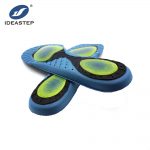
Soft arch support insoles combine cushioning with a contoured arch design for everyday footwear and light activities. For footwear brands, wholesalers, and distributors, they offer a flexible product option for casual shoes, walking shoes, and selected work footwear.
Product performance depends on material selection, arch geometry, thickness, and overall construction. These factors also determine how well an insole fits the intended footwear and target market.
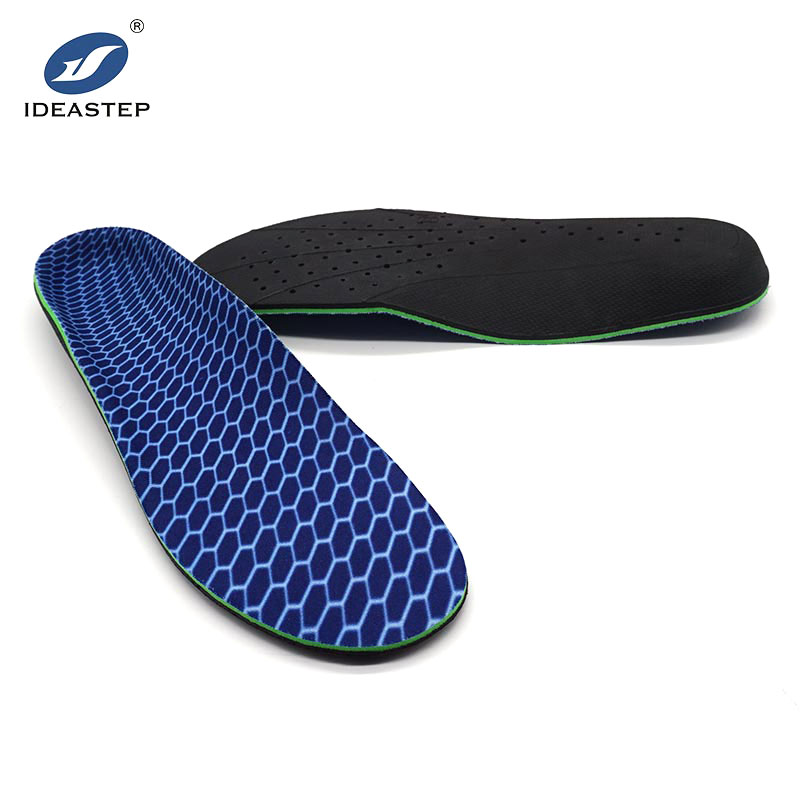
What Are Soft Arch Support Insoles?
Soft arch support insoles use cushioned materials and a shaped arch area to provide a softer underfoot feel than many rigid orthotic designs. Depending on the construction, they may feature a flexible foam base or combine cushioning layers with a firmer support component.
For wholesale buyers, the main specifications to consider are:
- Cushioning material: Affects softness, compression, and recovery.
- Arch profile: Determines the shape and level of support.
- Thickness: Influences shoe fit and available internal volume.
- Top cover: Affects surface feel, appearance, and wear resistance.
- Base structure: Helps determine flexibility and shape retention.
These specifications should be evaluated as a complete design rather than as separate features.
Common Materials for Soft Arch Support Insoles
Material selection affects product feel, cost, and suitability for different footwear categories.
EVA Foam
EVA is a lightweight, versatile material available in different densities and hardness levels. Softer grades can create a cushioned feel, while firmer formulations may help maintain the shape of the arch area. EVA is suitable for a range of everyday insole designs.
PU Foam
PU foam offers another option for cushioning-focused products. Its properties vary by formulation, allowing manufacturers to develop different levels of softness and resilience for specific applications.
Memory Foam
Memory foam conforms to pressure to varying degrees and is often used in comfort-oriented insoles. Buyers should assess its compression and recovery characteristics alongside the supporting structure, especially when the product is intended for frequent use.
Fabric and Mesh Top Covers
Fabric and mesh covers provide different surface textures and appearance options. Depending on the material and construction, mesh may also support airflow through the upper layer. Abrasion resistance, bonding quality, and moisture management should be considered during product development.
Multi-Layer Construction
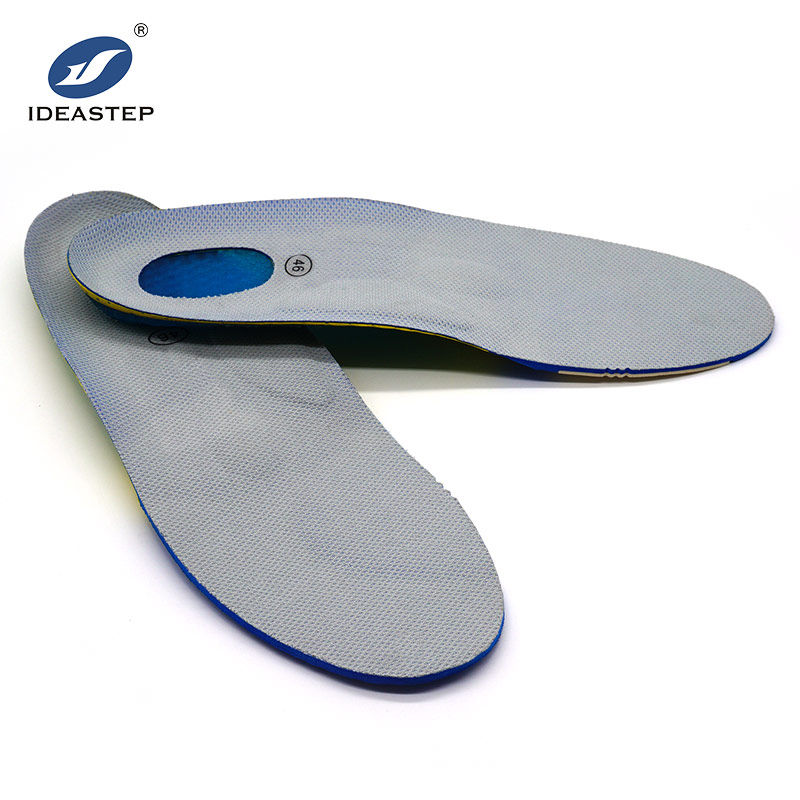
Many soft arch support insoles combine a fabric top cover, cushioning foam, and a supporting base. This approach allows manufacturers to adjust surface comfort and structural support independently.
For OEM/ODM projects, the material combination should match the target footwear, price range, and expected product performance.
Soft Arch Support Insoles vs. Firm Orthotic Insoles
The main difference lies in the balance between cushioning and structural support.
| Feature | Soft Arch Support Insoles | Firm Orthotic Insoles |
|---|---|---|
| Underfoot feel | Softer and more cushioned | Firmer and more structured |
| Main design focus | Cushioning with a contoured arch | More defined structural support |
| Common materials | EVA foam, PU foam, memory foam | Firm EVA, PP shells, TPU, or composite structures |
| Flexibility | Often more flexible | Often more rigid in the support area |
| Typical applications | Daily footwear and light activities | Footwear requiring a firmer support structure |
The finished construction matters more than any single material. For example, a soft top layer can be combined with a firmer base to create a balance of cushioning and support.
Applications in Daily and Light Activity Footwear
Soft arch support insoles can be developed for several footwear categories:
- Casual sneakers: Cushioning and arch contour for everyday wear.
- Walking shoes: A balance of underfoot comfort, fit, and flexibility.
- Travel footwear: Designs that accommodate extended everyday use.
- Selected work shoes: Comfort-focused inserts compatible with the footwear’s internal dimensions.
Different applications may require different thicknesses, arch profiles, and material combinations. For example, a low-profile design may suit shoes with limited internal space, while a thicker construction may be more appropriate for roomier footwear.
For running shoes, high-impact sports, or specialized work footwear, buyers should define the intended performance requirements before selecting a design.
Custom Soft Arch Support Insoles for Wholesale Buyers
Customization helps footwear brands and distributors align insole specifications with their product ranges, target users, and price positioning.
Depending on the manufacturing process, OEM/ODM options may include:
- Material selection: EVA, PU foam, memory foam, fabric, mesh, or layered combinations.
- Arch profile: Different contours based on the intended design.
- Thickness and sizing: Dimensions tailored to specific footwear models and size ranges.
- Top cover and color: Surface materials and colors aligned with product requirements.
- Branding and packaging: Custom logos, labels, and retail or bulk packaging.
- Product development: Manufacturing from buyer-provided specifications or collaboration on a new design.
When requesting a quotation, buyers should provide the intended footwear type, size range, preferred materials, target specifications, branding requirements, and estimated order quantity. These details help suppliers assess feasibility and prepare a more accurate proposal.
Quality Control Before Bulk Production
Sample approval is an important step before moving a customized insole into mass production. It allows buyers to check whether the product matches the agreed specifications.
Key inspection points include:
- Dimensions: Length, width, thickness, and size grading.
- Arch geometry: Shape and consistency with the approved design.
- Material properties: Cushioning, firmness, and recovery.
- Bonding quality: Adhesion between the top cover, foam, and supporting components.
- Finish: Cutting edges, color consistency, and visible defects.
- Performance testing: Compression, abrasion, or repeated-use tests where relevant to the product requirements.
The inspection plan should reflect the intended application and agreed quality standards. An approved sample and documented specifications also help maintain consistency across bulk orders.
Choosing an OEM/ODM Insole Manufacturer
Unit price is only one factor when evaluating a supplier. Buyers should also consider material options, customization capability, sample development, quality control, and communication throughout production.
For soft arch support insole projects, confirm that the manufacturer can support the required material combination, arch profile, size range, branding, and packaging. Clarify sample costs, minimum order quantities, production lead times, and inspection requirements before placing an order.
Ideastep supplies insoles and EVA materials for footwear-related projects. Buyers can contact the team to discuss custom soft arch support designs, material requirements, and wholesale production needs.
Frequently Asked Questions
Can soft arch support insoles be customized for wholesale orders?
Yes. Depending on the design and manufacturing process, buyers can request changes to materials, thickness, arch profile, sizing, top cover, colors, branding, and packaging.
Which materials are commonly used in soft arch support insoles?
EVA foam, PU foam, and memory foam are common cushioning options. Fabric and mesh are often used as top covers, while multi-layer structures can combine cushioning with additional support.
Are soft arch support insoles suitable for all types of shoes?
No single design fits every shoe. Thickness, arch shape, and overall dimensions should match the footwear’s internal space and intended use.
Should buyers approve samples before mass production?
Yes. Samples allow buyers to assess dimensions, fit, materials, construction, and appearance before confirming bulk specifications.
What information is needed for a wholesale quotation?
Provide the footwear application, target sizes, material preferences, arch profile, thickness, branding and packaging requirements, estimated order quantity, and any relevant quality standards.
Conclusion
Soft arch support insoles offer footwear brands and wholesalers a customizable option for daily and light-activity footwear. Material selection, arch geometry, thickness, and construction determine how the finished product fits its intended application.
For bulk sourcing, define the product specifications first, evaluate a sample, and confirm quality requirements before mass production. This process helps buyers align product design with footwear needs, target pricing, and wholesale expectations.
Related Reading: Soft Arch Support Insoles Bulk Sourcing Guide For Footwear Brands And Orthotic Retailers.