3D printed TPU insoles give footwear manufacturers more flexibility when developing custom insole structures. By adjusting material properties, lattice patterns, thickness, and contours, brands can explore designs suited to different footwear requirements.
However, choosing an OEM/ODM supplier involves more than selecting a material. Shoe manufacturers also need to evaluate footwear compatibility, durability, production consistency, and order terms before moving to mass production.
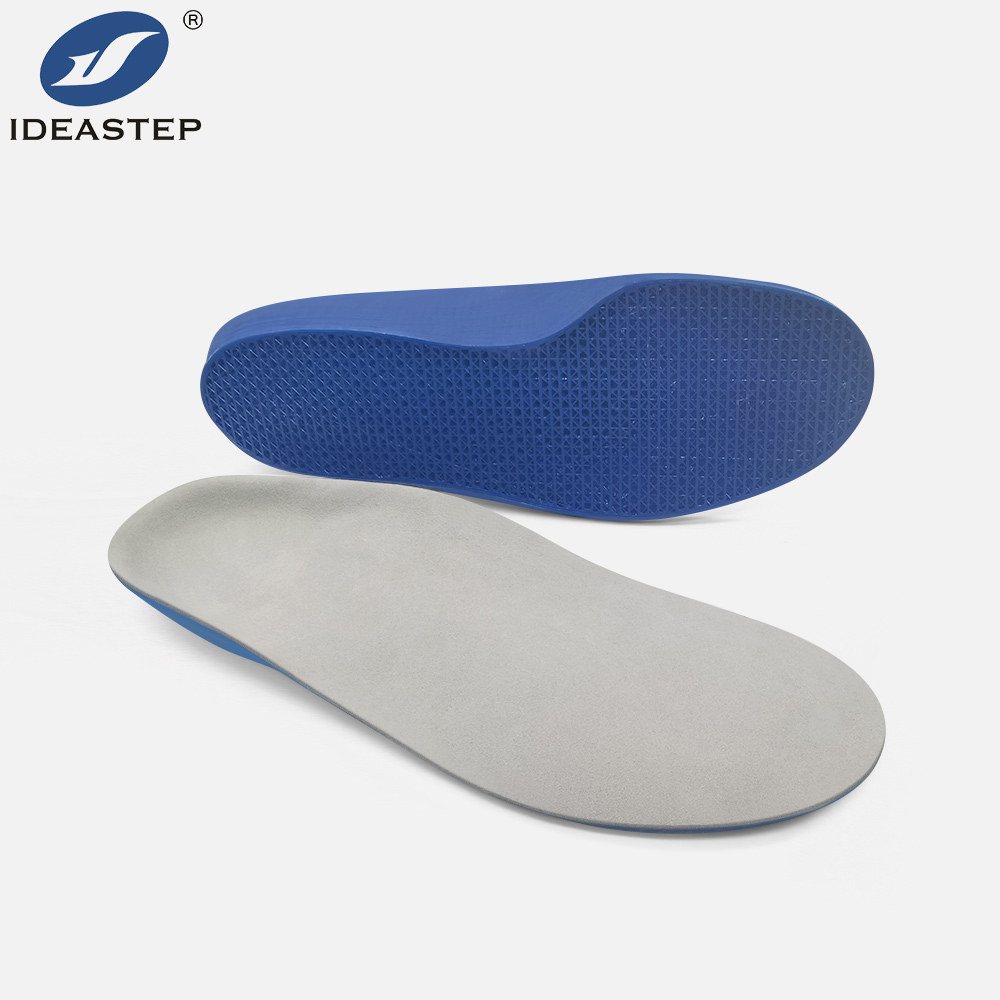
1. Why Use TPU for 3D Printed Insoles?
Thermoplastic polyurethane (TPU) combines flexibility with mechanical strength, making it a useful option for customized insole structures. However, its performance varies according to the material grade, printing parameters, and design geometry.
For footwear manufacturers, the main advantages to consider include:
- Flexible construction: Different TPU grades and printed structures can provide varying levels of flexibility.
- Custom support geometry: Arch contours, heel cup shapes, and structural zones can be adapted to specific product requirements.
- Design freedom: Unlike some conventional manufacturing methods, 3D printing can produce complex geometries and lattice patterns.
- Integrated structures: Depending on the design, a single printed component can incorporate multiple structural zones.
- Design customization: Thickness, shape, and internal geometry can be adjusted to suit different footwear designs.
Even so, these benefits depend on the application and production method. Material selection and structural design should therefore be evaluated together, with fit and target cost also taken into account.
2. What Affects the Durability of 3D Printed TPU Insoles?
Durability depends on more than the TPU material itself. In particular, material grade, wall thickness, lattice geometry, print quality, and repeated loading can all affect the finished insole.
TPU Material Selection
The selected TPU grade should match the required flexibility, resilience, and structural stability. To make an informed choice, buyers should review the material specifications and request relevant technical data where available.
Lattice and Structural Design
Lattice patterns influence flexibility and how a structure responds to loading. For example, different zones may use different geometries to meet specific design requirements.
However, a more complex lattice does not automatically improve performance. The final design must balance flexibility, support, printability, and structural integrity.
Thickness and Footwear Fit
Thickness, arch profile, heel cup geometry, and forefoot flexibility all influence how an insole fits inside a shoe. Therefore, the design should account for the shoe’s internal space and existing insole construction.
Durability Testing
Before bulk production, samples should be evaluated under conditions relevant to their intended use. Depending on the project, testing may include repeated compression, flexing, dimensional stability, and structural integrity.
For projects with specific durability targets, buyers and manufacturers should agree on test methods and acceptance criteria before approving the design. This approach provides a clearer basis for evaluating performance than general claims without supporting test data.
3. OEM vs. ODM 3D Printed TPU Insoles
OEM and ODM arrangements offer different levels of design involvement. The right option depends on whether the buyer already has a finalized product or needs support during development.
OEM TPU Insoles
OEM is generally suitable for buyers who have established product designs, technical drawings, reference samples, or detailed specifications. Based on these requirements, the manufacturer produces the insoles to the agreed design.
Depending on the project, customization may cover:
- Insole dimensions and contours
- Arch and heel cup geometry
- TPU material specifications
- Lattice patterns and structural layout
- Branding and packaging
ODM TPU Insoles
By contrast, ODM is suitable for buyers who need help developing a product from an initial concept or adapting an existing design. The process may involve reviewing the footwear application, selecting a suitable structure, and refining the design through sample development.
Before work begins, both parties should clarify design responsibilities, confidentiality, ownership of technical files, and any development costs. These details help prevent misunderstandings later in the project.
4. Custom TPU Insoles for Different Footwear Applications
Different footwear categories have different design constraints. As a result, the insole structure should match the shoe’s available space, construction, and intended use.
- Sports footwear: Projects may prioritize weight, flexibility, structural response, and compatibility with the shoe’s midsole.
- Casual footwear: Fit, surface feel, cushioning characteristics, and flexibility may be more important.
- Work footwear: Depending on the application, designs may need to account for repeated loading, fit, and compatibility with the shoe construction.
For safety footwear, any claimed protective function must be supported by relevant testing and applicable standards. In every category, sample fit should be checked in the intended footwear before final approval.
5. From Custom Design to Mass Production
A clear development process helps manufacturers and buyers resolve design questions before they affect production schedules or costs.
Step 1: Provide Project Specifications
Start by sharing the footwear application, reference drawings or samples, size range, estimated order quantity, and required material or structural characteristics. With this information, the manufacturer can assess the project more accurately.
Step 2: Review the Design
Next, the manufacturer evaluates the proposed geometry, TPU material, printing requirements, and compatibility with the target shoe. Any design limitations should be discussed before sampling begins.
Step 3: Evaluate Samples
Once samples are available, check their dimensions, contours, flexibility, surface finish, and fit inside the intended footwear. If durability is a key requirement, establish the relevant testing criteria before approval.
Step 4: Confirm Final Specifications
After the sample meets the agreed requirements, document the approved design, material grade, dimensions, size range, appearance standards, and inspection criteria. Any later changes should be recorded and authorized before implementation.
Step 5: Confirm the Bulk Order
Before production starts, confirm the MOQ, unit pricing, sample or tooling costs where applicable, lead time, packaging, inspection arrangements, and shipping terms. In addition, clarify when the production timeline begins, such as after final sample approval or material confirmation.
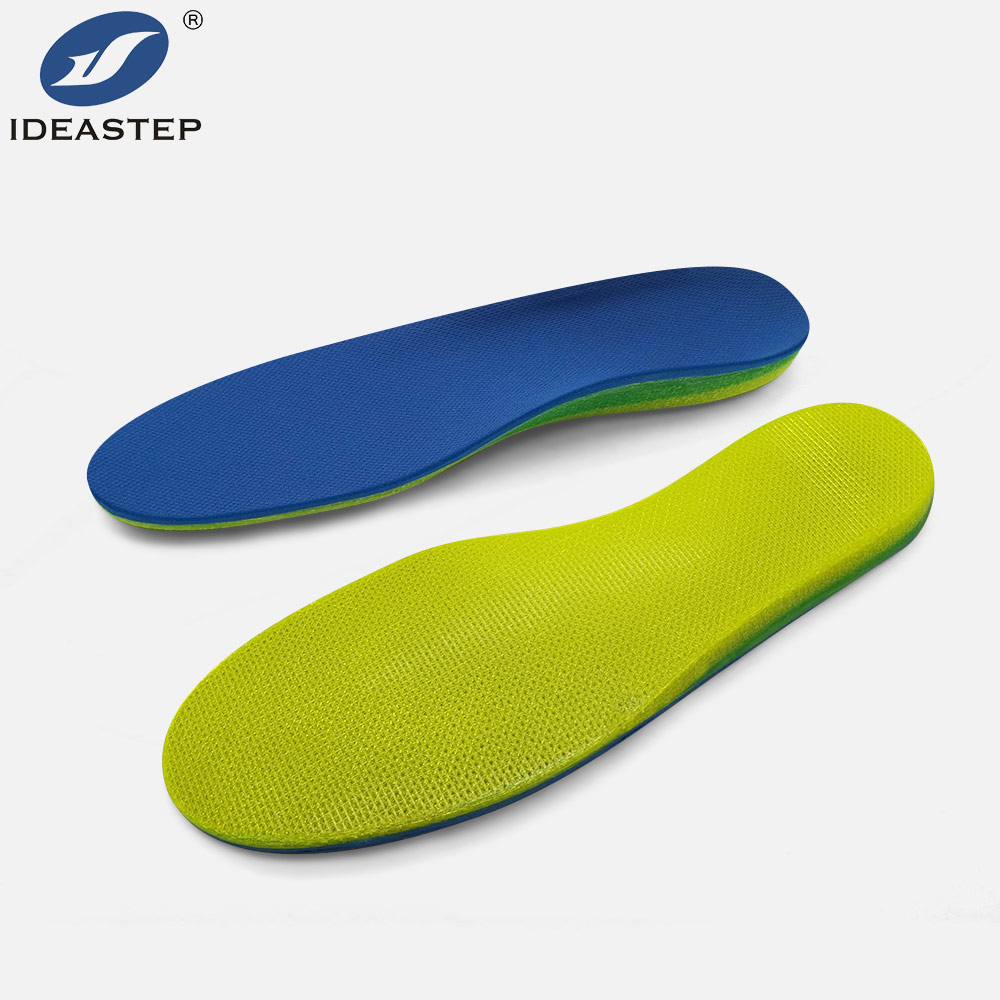
6. Quality Control for Bulk TPU Insole Supply
Consistent bulk production requires more than an approved sample. Manufacturers must also check that finished units meet the documented specifications throughout the production run.
Depending on the product design, quality control may include:
- Material verification: Confirm that the TPU grade matches the agreed specification.
- Dimensional checks: Inspect length, width, thickness, and critical structural features.
- Print quality: Check for incomplete sections, surface defects, and inconsistent formation.
- Structural integrity: Inspect critical areas against the agreed acceptance criteria.
- Footwear fit: Verify dimensions and compatibility with the intended shoe.
- Batch consistency: Compare production units with the approved sample and specifications.
Since inspection requirements vary by design and application, buyers should agree on test methods and acceptance limits before production. Keeping approved samples and technical specifications on record also makes repeat orders easier to manage.
7. How to Choose a 3D Printed TPU Insole Manufacturer
When comparing suppliers, shoe manufacturers should focus on capabilities that directly affect their project requirements, rather than relying on price alone.
3D Printing Capability
Confirm which TPU materials the supplier supports, what design limitations apply, and whether its production capacity meets the expected order volume. Experience with similar products can also help identify potential development issues early.
Design Support
Some projects require only manufacturing from existing technical files, while others need help refining the design. Therefore, confirm whether the supplier can support sample development and design adjustments when needed.
Testing and Quality Control
Ask how the manufacturer checks material specifications, dimensions, print quality, and structural integrity. For projects with defined performance targets, request relevant test records where available.
Production Planning
Before placing an order, confirm MOQ, lead time, production capacity, and how changes are handled after sample approval. Clear arrangements help reduce delays during the transition to mass production.
OEM/ODM Coordination
Finally, clarify design ownership, confidentiality, branding, packaging, and responsibility for technical files. These details are particularly important for private-label products and long-term supply agreements.
8. OEM/ODM TPU Insole Supply from Ideastep
Ideastep supports custom insole and EVA material projects, including OEM/ODM development discussions.
For a 3D printed TPU insole project, buyers can provide reference drawings or samples, the intended footwear application, size range, target quantity, and required structural characteristics. Based on these details, the team can discuss customization requirements and the next steps for sampling and quotation.
To discuss your project, contact the Ideastep team with your design references and bulk supply requirements.
9. Common Sourcing Mistakes to Avoid
- Choosing by material name alone: TPU grades and printed structures can differ, so confirm the specifications and evaluate the finished product.
- Skipping fit checks: Test samples in the intended footwear before approval to identify dimensional or compatibility issues.
- Assuming all lattice designs perform alike: Choose the geometry according to defined product requirements and test results.
- Relying on unsupported durability claims: Agree on relevant tests and acceptance criteria before making performance commitments.
- Leaving specifications incomplete: Document dimensions, materials, appearance, and inspection requirements before production.
- Ignoring repeat-order consistency: Retain approved samples and require authorization for changes that affect the product.
By addressing these points early, buyers can reduce avoidable revisions and minimize the risk of quality disputes.
Conclusion
3D printed TPU insoles offer footwear manufacturers another way to develop customized insole structures. Their suitability depends on material selection, printed geometry, footwear fit, and verified performance requirements.
For OEM/ODM buyers, the priorities are clear specifications, sample evaluation, agreed quality standards, and confirmed production terms. Choosing a manufacturer that can support both product development and production control helps turn a design concept into a repeatable supply program.
Developing custom 3D printed TPU insoles for your footwear line? Contact Ideastep with your reference design, footwear application, size range, and target quantity to discuss customization and OEM/ODM options.
Frequently Asked Questions
Are 3D printed TPU insoles durable?
Durability depends on the TPU grade, printed geometry, manufacturing parameters, and conditions of use. Therefore, samples should be evaluated against agreed testing criteria before mass production.
Can TPU insoles be customized for different shoe designs?
Yes, customization may include dimensions, contours, thickness, and internal structures, depending on the manufacturer’s capabilities. However, the finished design should be checked inside the intended shoe to confirm fit.
What is the difference between OEM and ODM TPU insoles?
OEM generally follows the buyer’s defined design and specifications. In contrast, ODM involves more product development support from the manufacturer based on the buyer’s concept.
What information is needed for a bulk quotation?
Provide the footwear application, drawings or reference samples, size range, material preferences, target quantity, customization requirements, and packaging details. The more complete the specifications, the easier it is to assess the project.
Should samples be tested before mass production?
Yes. Sample evaluation helps verify dimensions, fit, material characteristics, and print quality. If durability is important, agree on the relevant tests and acceptance criteria before approving production.
What affects the cost and lead time of 3D printed TPU insoles?
Material grade, design complexity, printing requirements, sample revisions, order quantity, finishing, packaging, and production capacity can all affect cost and lead time. Confirm the quotation and production schedule with the manufacturer before ordering.
Related Reading:
3D Printed Arch Support Opportunities For Foot Care And Footwear Brands
3D Printed Orthopedic Insoles: Custom Solutions for Footwear Brands & Clinics