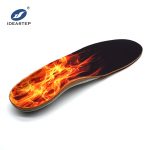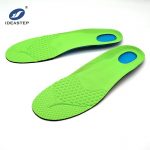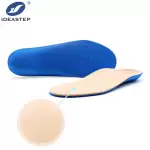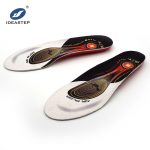
Developing custom orthotic insoles involves more than choosing materials and placing a bulk order. The design must meet product requirements, samples must be approved, and mass production must follow consistent specifications.
For brands, distributors, and wholesale buyers, understanding how an orthotic insole factory manages each stage helps reduce design errors, avoid unnecessary revisions, and keep production on track.
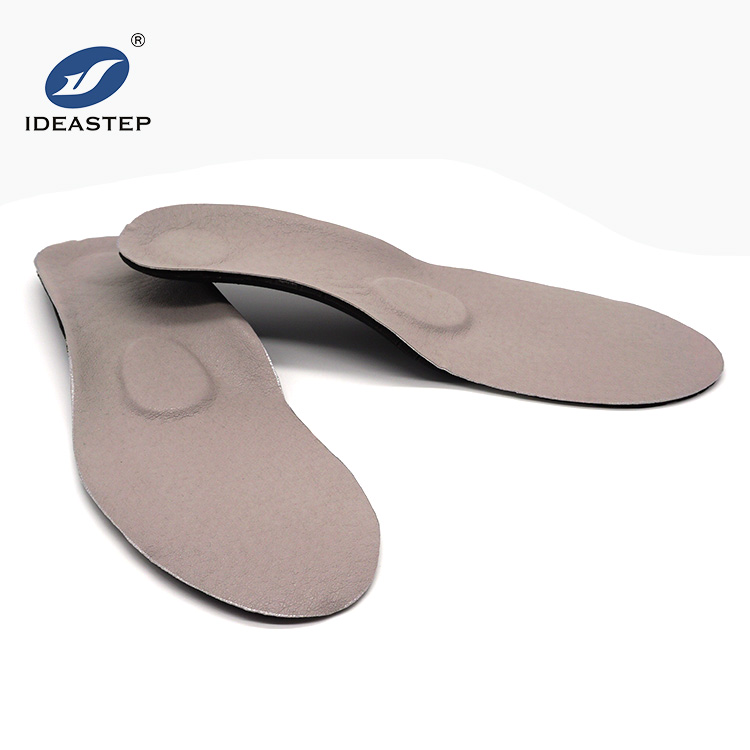
1. Define the Product Requirements
Before development begins, the buyer and factory need to agree on the product’s intended use, target market, and key specifications.
Important details include:
- Application: Everyday footwear, work shoes, sports footwear, or other uses.
- Support structure: Arch profile, heel cup depth, cushioning, and rigidity.
- Dimensions: Size range, thickness, length, and width.
- Materials: EVA foam, TPU, PP shells, PU foam, cork, or other suitable components.
- Branding: Logo placement, labels, and retail or bulk packaging.
- Order details: Estimated quantity, target price, and delivery requirements.
A distributor developing a private-label insole, for example, may prioritize consistent support, a practical price point, and branded packaging. A footwear brand may focus more on fit, flexibility, and compatibility with its shoe design.
Clear requirements give the factory a practical basis for product development and quotation.
2. Develop the Custom Insole Design
Buyers can provide technical drawings, reference samples, product images, or measurements. For projects without a finalized design, the factory can discuss construction options and help establish the specifications.
Select Suitable Materials
Material selection affects cushioning, flexibility, durability, weight, and cost.
- EVA foam: Available in different densities and hardness levels for varied cushioning and support requirements.
- TPU: Used in selected structural components that require flexibility and shape retention.
- PP shells: Suitable for designs requiring a more rigid support structure.
- PU foam and PORON: Used in constructions where cushioning is a priority.
- Cork and latex: Options for specific material and construction requirements.
- Fabric top covers: Selected according to surface feel, appearance, and intended use.
The right combination depends on the design, footwear application, target price, and manufacturing process.
Confirm the Support Structure
Arch geometry, heel cup depth, forefoot flexibility, and overall thickness should be assessed together. The design must also fit the intended footwear, as internal space and shoe shape can affect compatibility.
Drawings, dimensions, and reference samples help the factory translate the concept into a workable product.
3. Produce and Approve the Sample
A prototype allows the buyer to evaluate the actual product before mass production.
During sample review, check:
- Overall shape and dimensions
- Arch profile and heel cup structure
- Material hardness and flexibility
- Cushioning and top-cover finish
- Layer bonding and edge quality
- Fit inside the intended footwear
- Logo placement and packaging
Feedback should be specific. Instead of requesting a general improvement in comfort or support, identify the area that needs adjustment and provide measurements or marked-up images where possible.
The factory can then assess whether the change requires different materials, revised dimensions, tooling adjustments, or structural modifications.
The approved sample and final specifications should serve as the reference for mass production. Any subsequent changes should be documented and approved before implementation.
4. Prepare for Mass Production
Once the sample is approved, the factory confirms the production specifications and schedule.
Before manufacturing begins, both parties should finalize:
- Product drawings and dimensions
- Material types and specifications
- Size range and quantity per size
- Colors, logos, and packaging
- Quality inspection criteria
- Order quantity and delivery schedule
Material availability, special colors, tooling, and packaging can affect lead time. Buyers should confirm when the production timeline starts, such as after sample approval, deposit receipt, or material confirmation.
For repeat orders, retaining the approved sample and production specifications helps maintain consistency.
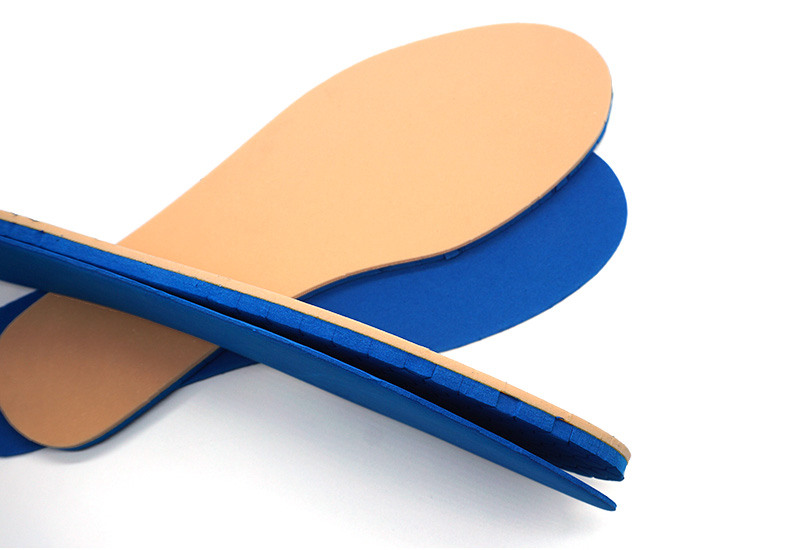
5. Control Quality During Production
The main challenge in bulk manufacturing is ensuring that finished products match the approved sample and specifications.
Incoming Material Inspection
Check materials against agreed requirements, including type, thickness, hardness, color, dimensions, and visible defects where applicable. Substitutions that may affect the product should be approved by the buyer before use.
In-Process Inspection
Inspection points depend on the product construction. Common checks include cutting accuracy, molded shape, shell positioning, layer alignment, bonding, and edge finishing.
Final Inspection
Before shipment, finished insoles should be checked against agreed acceptance criteria, including:
- Dimensions and shape
- Arch and heel cup geometry
- Surface finish and assembly
- Bonding and visible defects
- Size and quantity accuracy
- Logo, labels, and packaging
Documented inspection criteria help both parties identify discrepancies and resolve them before shipment.
6. Confirm Packaging and Delivery
Packaging requirements should be finalized during product development. Depending on the sales channel, buyers may need individual bags, retail boxes, barcode labels, size stickers, private-label packaging, or bulk cartons.
Before dispatch, confirm the finished quantity, carton details, shipping marks, and required export documents. Any procedures for handling shortages, damaged packaging, or products that fail inspection should also be agreed upon.
Clear delivery arrangements help overseas buyers plan inventory and coordinate warehouse receiving.
7. How to Choose an Orthotic Insole Factory
Price matters, but buyers should also assess whether a factory can manage customization and maintain consistent production.
Product Development
Can the factory work from drawings, samples, or new design concepts? Can it accommodate the required materials, support structure, sizes, and branding?
Sampling Process
Are revisions recorded, and are approved samples and specifications retained for production?
Quality Control
Does the factory have inspection procedures suited to the product’s construction? Can it provide relevant quality records when required?
Production Planning
Can it explain material requirements, lead times, minimum order quantities, and delivery arrangements?
Repeat-Order Support
Can it maintain product specifications and manage approved changes across future orders?
These factors help buyers assess a supplier’s suitability for both the initial order and ongoing supply.
8. Custom Orthotic Insole Manufacturing at Ideastep
Ideastep supports custom insole and EVA material projects, including discussions around material selection, structural design, and OEM/ODM requirements.
For a new project, buyers can provide drawings or reference samples along with the intended application, size range, estimated quantity, and branding requirements. These details help the team review the proposed construction and discuss sampling, customization, and production arrangements.
To request a quotation, contact the Ideastep team with your product specifications and target order quantity.
9. Common Mistakes to Avoid
- Providing incomplete specifications: Include dimensions, materials, size range, and reference images.
- Skipping sample evaluation: Check the product against the intended footwear and agreed requirements before approval.
- Changing the design after production starts: Finalize key details before releasing the order.
- Ignoring size distribution: Confirm quantities for each size, not just the total order volume.
- Choosing on price alone: Compare customization, sampling, packaging, quality control, and delivery terms.
- Leaving quality standards undefined: Agree on inspection criteria before mass production.
Resolving these issues early can reduce revisions and prevent avoidable production delays.
Conclusion
Moving custom orthotic insoles from design to mass production requires clear specifications, sample approval, production planning, and consistent quality control.
For wholesale buyers, the priority is to work with a factory that understands the product requirements, documents the approved design, and follows agreed standards throughout manufacturing.
If you are developing custom orthotic insoles for your brand or distribution business, contact Ideastep with your design references, target quantity, size range, and customization requirements to discuss the next steps.
Frequently Asked Questions
What information is needed for a custom orthotic insole quotation?
Provide the intended application, drawings or reference samples, preferred materials, size range, estimated order quantity, and branding or packaging requirements.
Should I approve a sample before mass production?
Yes. Sample approval allows you to check dimensions, materials, support structure, fit, and finishing before bulk production. Keep the approved sample and specifications as production references.
Can an orthotic insole factory customize materials and arch support?
Options depend on the factory’s capabilities and the project requirements. Discuss materials, arch profiles, heel cup design, cushioning, dimensions, and branding before confirming the design.
What affects custom insole production lead time?
Design complexity, sample revisions, material availability, tooling, order quantity, packaging, and production schedules can all affect lead time. Confirm the schedule and its starting point with the factory.
How can I maintain consistency across repeat orders?
Retain the approved sample, drawings, material specifications, size information, and inspection criteria. Review and approve any proposed changes before production.
Related Reading: Inside an Orthotic Insoles Factory: From Design to Production.