Ordering custom orthotic insoles wholesale requires clear product specifications, suitable materials, sample approval, and consistent quality control. For wholesalers, distributors, and private-label brands, getting these details right before production helps avoid costly revisions and ensures the finished product meets market requirements.
This guide covers the key steps involved in sourcing custom orthotic insoles, from defining your requirements to approving samples and placing bulk orders.
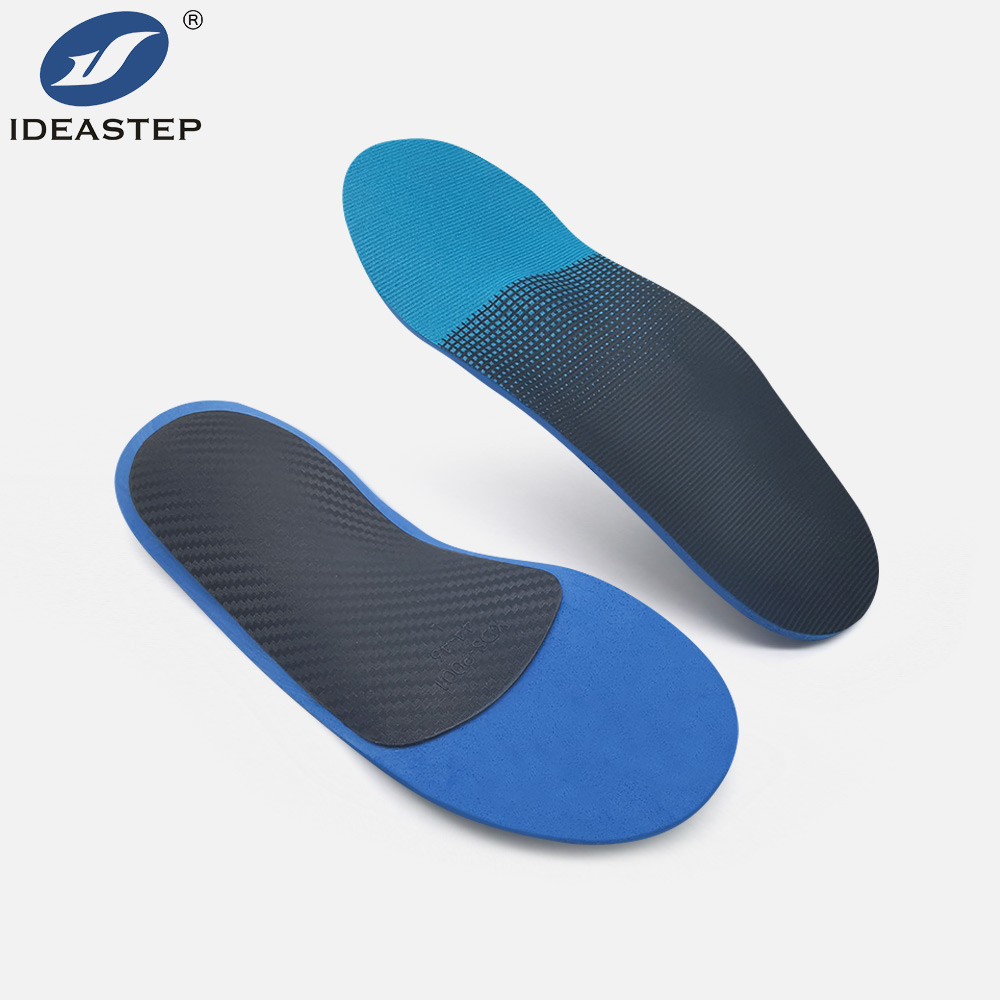
1. Define Your Custom Orthotic Insole Requirements
Before contacting a manufacturer, determine who will use the product, how it will be worn, and what level of support or cushioning is required.
Identify the Application
Custom orthotic insoles may be developed for everyday footwear, sports shoes, work boots, or professional foot-care applications. Each application has different requirements for thickness, flexibility, support, and durability.
Define your target market and footwear type first. These factors help narrow down suitable materials and structural designs.
Choose Between OEM, ODM, and Existing Designs
Wholesale buyers generally have three options:
- Existing designs: Select an established model and customize available features such as color, top cover, logo, or packaging.
- OEM: Supply your own design or specifications for manufacturing.
- ODM: Work with a manufacturer to develop the product based on your requirements.
Existing designs may reduce development work, while OEM and ODM projects offer more flexibility in product construction and branding.
Estimate Order Volume and Budget
Prepare an estimated order quantity, size range, color options, and target cost. If you expect repeat orders, consider how the manufacturer will maintain consistent specifications across production batches.
2. Select the Right Materials and Support Structure
Material selection should match the intended application, structural requirements, and target price. The right combination depends on the performance of each component within the finished insole.
Compare Common Insole Materials
- EVA foam: Available in different densities and hardness levels, making it suitable for cushioning and various support constructions.
- TPU: Commonly used in structural components that require controlled flexibility and shape retention.
- PU foam and PORON materials: Used in cushioning applications, depending on the material grade and product design.
- Cork and latex: Suitable for selected constructions requiring specific structural or cushioning characteristics.
- Fabric top covers: Influence surface feel, appearance, friction, and moisture management.
When requesting a quotation, specify the material type, grade, thickness, and intended function rather than relying on general descriptions such as soft or firm.
Define Arch Support and Heel Cup Design
Arch support should be evaluated in relation to its height, width, contour, rigidity, and fit within the shoe. Heel cup depth and shape also affect how the insole fits and positions the heel.
Forefoot cushioning and metatarsal support may be incorporated where required by the product design. Their placement should reflect the intended application rather than follow a one-size-fits-all approach.
For products intended for professional foot care, structural decisions should be based on appropriate assessment and clearly defined product requirements.
Confirm Size, Thickness, and Hardness
Before sampling, specify the size range, overall thickness, material hardness, density where applicable, and key dimensional tolerances. Also confirm the top-cover fabric, color, and finish.
These details should be documented in a technical specification sheet or drawing so the manufacturer can use them for sampling and production.
3. Prepare Your Custom Insole Specifications
Clear specifications reduce misunderstandings and make it easier to evaluate samples and compare supplier quotations.
Provide Drawings or Reference Samples
Share technical drawings, photographs, existing products, or physical samples whenever possible. Mark the areas that need to be retained or modified, including arch geometry, heel cup shape, material layers, and overall thickness.
If the design is not finalized, provide the intended application, target cost, preferred materials, and reference footwear. The manufacturer can then assess feasible construction options.
Confirm Branding and Packaging
For private-label projects, specify logo artwork, placement, application method, packaging, labels, and carton requirements before sample approval. These details may affect costs and production preparation.
Create a Product Specification Sheet
Include the following information:
- Material types and layer construction
- Size range, thickness, and key dimensions
- Arch profile and heel cup specifications
- Hardness, density, and relevant performance requirements
- Color, top cover, logo, and packaging
- Quality inspection criteria and acceptable tolerances
A documented specification gives both parties a clear reference throughout the project.
4. Request Samples Before Mass Production
Sample approval allows buyers to check whether the proposed product matches the agreed specifications before committing to a bulk order.
Evaluate the Sample
Check dimensions, thickness, material construction, arch profile, heel cup, surface finish, and logo placement. Test the fit in the intended footwear where possible, as an insole that meets dimensional requirements may still occupy too much space inside a particular shoe.
For specific performance requirements, agree on appropriate test methods and acceptance criteria rather than relying solely on visual inspection.
Record Revisions and Approve the Final Sample
Provide feedback through marked photographs, drawings, or written measurements. Keep a record of sample versions and approved changes to prevent confusion during development.
Once the sample is approved, retain it alongside the final specifications. These records become the reference for mass production and subsequent quality inspection.
5. Confirm MOQ, Pricing, and Lead Time
Commercial terms should be confirmed after the product requirements are sufficiently clear.
Understand Wholesale Pricing
The cost of custom orthotic insoles depends on:
- Material type, grade, and consumption
- Structural complexity and manufacturing processes
- Mold or tooling costs, where applicable
- Order quantity and size assortment
- Logo application and packaging
- Inspection and delivery requirements
Compare quotations based on the same specifications. A lower unit price may reflect differences in materials, construction, or quality standards.
Check MOQ and Size Assortment
Minimum order quantity (MOQ) varies by product and customization method. Confirm whether it applies to each design, color, size, or total order, and whether mixed-size orders are accepted.
For a new product, discuss the feasibility of a smaller initial order before planning larger repeat purchases.
Confirm the Production Schedule
Ask for separate estimates covering sample development, revisions, material preparation, mass production, inspection, and shipment.
Custom tooling, material availability, and additional sample rounds can affect the schedule. Confirm the final lead time, payment terms, delivery conditions, and acceptance requirements in writing.
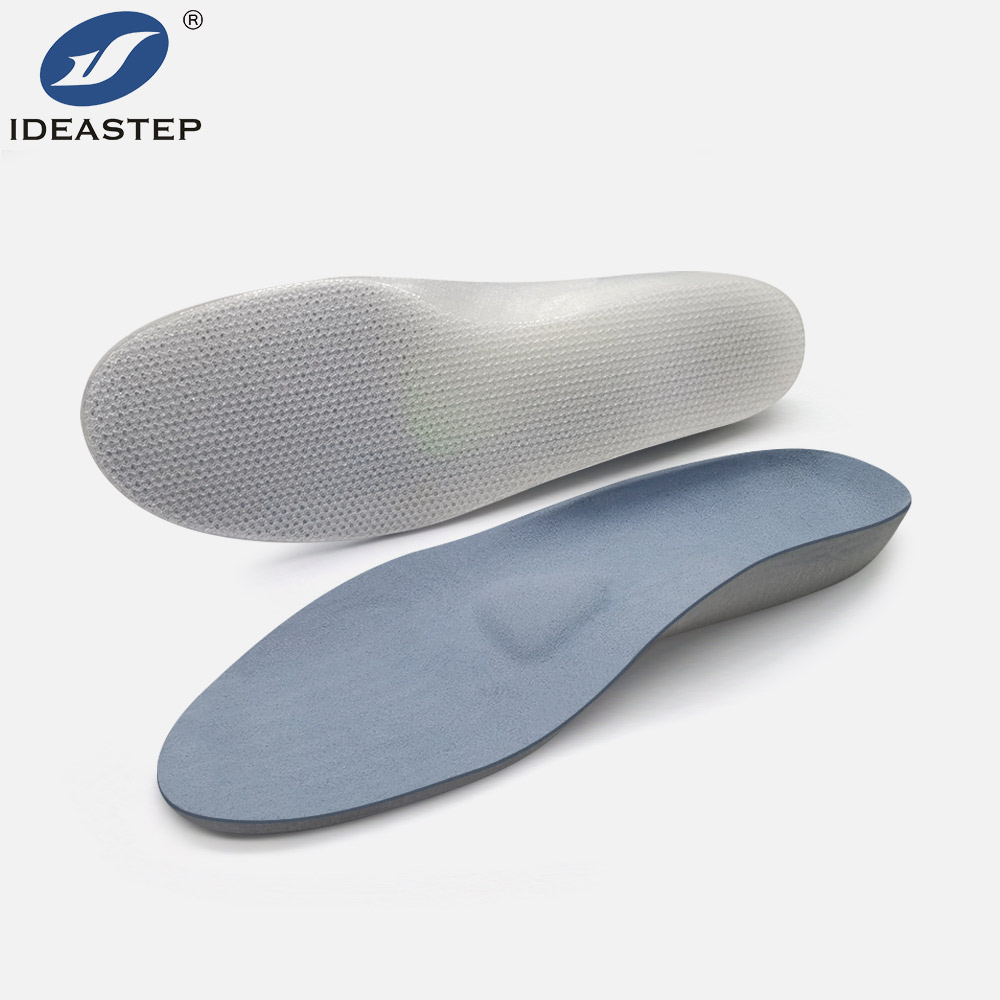
6. Choose a Reliable Custom Orthotic Insole Manufacturer
A suitable manufacturer should be able to meet your technical requirements, maintain product consistency, and support repeat orders.
Verify Customization Capabilities
Confirm that the supplier can handle your required materials, arch profiles, sizing, branding, and packaging. For more complex projects, ask about its experience with product development, sample revisions, and specialized manufacturing processes.
Review Quality Control
Ask how the manufacturer checks incoming materials, controls production specifications, and inspects finished products. Request relevant test reports or compliance documents when required for your market.
For repeat orders, confirm how specifications are recorded, material changes are managed, and nonconforming products are handled.
Assess Communication and Supply Reliability
Clear communication helps prevent errors during product development and production. The manufacturer should be able to confirm specifications, explain technical limitations, and notify you of changes affecting cost or delivery.
For wholesale buyers, the ability to reproduce an approved design consistently is as important as the quality of the initial sample.
7. Manage Bulk Order Quality and Delivery
Before shipment, verify that the finished products meet the agreed specifications and packaging requirements.
Establish Inspection Criteria
Depending on the product, inspections may cover dimensions, thickness, materials, color, surface appearance, edge finishing, logo placement, and packaging.
Define test methods, acceptable tolerances, and procedures for handling nonconforming products before production begins.
Maintain Production Consistency
Use the approved sample and technical specifications as production references. Any significant change to materials, construction, or manufacturing methods should be communicated and approved in advance.
Maintaining records of approved designs and production batches also helps simplify repeat orders and investigate quality issues.
Confirm Shipping and Reordering
Check quantities, size assortments, labels, cartons, shipping documents, and delivery arrangements before dispatch.
If the product is intended for ongoing distribution, plan replenishment around sales demand and manufacturing lead times to reduce stock shortages.
8. Common Mistakes When Ordering Wholesale Custom Orthotic Insoles
- Choosing by price alone: Compare materials, construction, and quality requirements alongside unit cost.
- Providing vague specifications: Use drawings, measurements, or reference samples to clarify design expectations.
- Ignoring MOQ conditions: Confirm minimum quantities for each design, color, and size.
- Skipping sample approval: Check the product before committing to mass production.
- Changing specifications without approval: Document changes to materials, dimensions, or construction.
- Leaving quality standards undefined: Agree on inspection criteria and tolerances before production.
Addressing these issues early helps reduce unnecessary revisions and production disputes.
9. How to Request a Quote for Custom Orthotic Insoles
A complete request for quotation (RFQ) helps the manufacturer assess your requirements and provide a more accurate proposal.
Include the following information where available:
- Application: Target users, footwear type, and sales market.
- Design: Drawings, photographs, reference samples, or product links.
- Materials: Preferred materials and layer construction.
- Structure: Arch profile, heel cup, thickness, and key dimensions.
- Sizes and quantities: Required size range and estimated quantity per size.
- Customization: Logo, colors, labels, and packaging.
- Quality requirements: Relevant tests, tolerances, and documentation.
- Delivery: Target date, destination, and shipping preferences.
If the design is still under development, you can start with the intended application, reference products, and target cost.
For wholesale and private-label projects, Ideastep works with buyers to discuss insole materials, structural requirements, and customization options. Contact the team with your specifications or reference sample to discuss development, sample arrangements, and bulk order requirements.
10. Frequently Asked Questions
What information is needed to order custom orthotic insoles wholesale?
Prepare the intended application, design references, material preferences, size range, estimated quantity, branding requirements, and delivery expectations. A complete specification sheet is helpful but not essential for an initial discussion.
What is the MOQ for custom orthotic insoles?
MOQ depends on the design, materials, production process, and customization requirements. Ask the manufacturer to confirm the minimum quantity for each product, size, and color combination.
Can I customize the materials and arch support?
Customization options may include materials, arch profiles, heel cups, thickness, top covers, colors, and branding. Availability depends on the manufacturer’s capabilities and the specific design.
What is the difference between OEM and ODM orthotic insoles?
OEM production generally follows the buyer’s design or specifications. ODM involves greater participation from the manufacturer in product development and design. The appropriate model depends on your technical requirements and development resources.
Should I approve a sample before placing a bulk order?
Yes. Sample approval allows you to verify dimensions, construction, appearance, and fit before mass production. Keep the approved sample and written specifications as production references.
How long does custom insole production take?
Lead time depends on design complexity, material availability, tooling, sample revisions, order quantity, and production scheduling. Request separate estimates for sampling, mass production, and delivery when planning your order.
Related Reading:
OEM vs ODM Orthotic Insoles: Which Model Fits Your Brand?
OEM Orthotic Insoles: A Guide for B2B Buyers