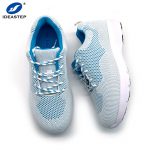
The right insole can influence the comfort, fit, and performance of footwear. For footwear brands, wholesalers, and distributors, choosing the right insole material is also an important product-development decision.
Memory foam insoles for shoes boots are commonly used when cushioning and a softer underfoot feel are priorities. Memory foam can be combined with EVA, PU, TPU, gel, and different fabric covers to create customized insole constructions.
For B2B buyers, key considerations include foam density, thickness, support structure, footwear compatibility, durability, and customization options.
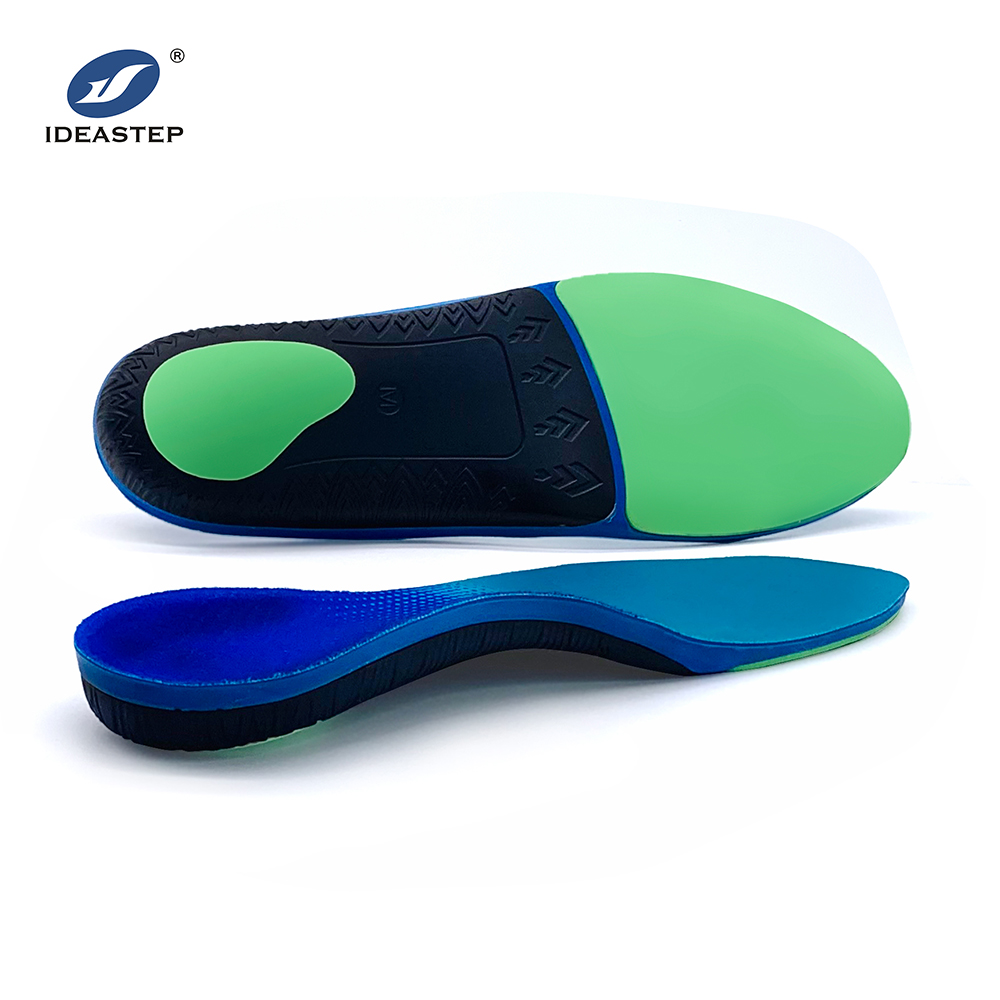
What Are Memory Foam Insoles?
Memory foam is a viscoelastic material that compresses under pressure and gradually conforms to the foot before recovering after use.
In footwear, it is typically used as part of a multi-layer insole construction.
A typical design may include:
- Top cover: mesh, microfiber, velvet, or knitted fabric
- Cushioning layer: memory foam
- Support base: EVA or PU foam
- Functional components: TPU, gel, or other support materials
The construction can be adjusted according to the footwear type and product requirements.
Why Use Memory Foam Insoles for Shoes and Boots?
Memory foam is useful when cushioning and adaptability are important. It can also be combined with other materials to achieve different performance and price requirements.
Cushioning for Everyday Footwear
Memory foam compresses under load and conforms to the contact area of the foot, creating a softer underfoot feel.
Manufacturers can adjust the cushioning characteristics through foam density, thickness, and overall construction.
Suitable for Different Footwear
Memory foam can be used in:
- Casual shoes
- Walking shoes
- Work shoes
- Work boots
- Hiking boots
- Outdoor footwear
- Lifestyle footwear
The construction should match the available space and intended use.
Flexible Material Combinations
Memory foam does not need to provide every function of the insole.
For example:
Breathable Fabric + Memory Foam + EVA Support Base
This layered structure allows manufacturers to balance cushioning, support, flexibility, appearance, and cost.
Memory Foam Insoles for Shoes
For casual and everyday shoes, the main challenge is balancing cushioning with available in-shoe space.
A thick memory foam shoe insole may reduce internal volume, while a thinner design can work better for low-volume footwear.
Manufacturers can adjust:
- Insole thickness
- Foam density
- Heel cushioning
- Arch profile
- Forefoot flexibility
- Top-cover material
These options allow footwear brands to develop different versions for specific product lines.
Memory Foam Insoles for Boots
Boots often provide more internal volume, allowing greater flexibility in cushioning-layer thickness.
Memory foam boot insoles can be developed for work boots, outdoor boots, hiking footwear, and casual boots.
For work and safety footwear, cushioning should be balanced with the boot’s internal structure, durability requirements, and available space.
For outdoor applications, durability, moisture management, and secure positioning may also be important.
Choosing the Right Memory Foam Construction
The final performance of a memory foam insole depends on the complete construction, not just the foam layer.
Foam Density and Thickness
Density affects the feel and compression characteristics of memory foam.
B2B buyers should consider:
- Foam density
- Compression characteristics
- Recovery performance
- Insole thickness
- Intended application
Thicker foam may provide more cushioning but also requires sufficient space inside the footwear.
Support Base
Memory foam is mainly used for cushioning and does not necessarily provide the primary structure.
EVA, PU, or other support materials can be added to create a more stable base while maintaining cushioning.
Top Cover
The top cover affects surface feel, appearance, and product positioning.
Common options include:
- Mesh
- Polyester fabric
- Microfiber
- Velvet
- Knitted fabric
Selection should match the footwear category, target price, appearance, and performance requirements.
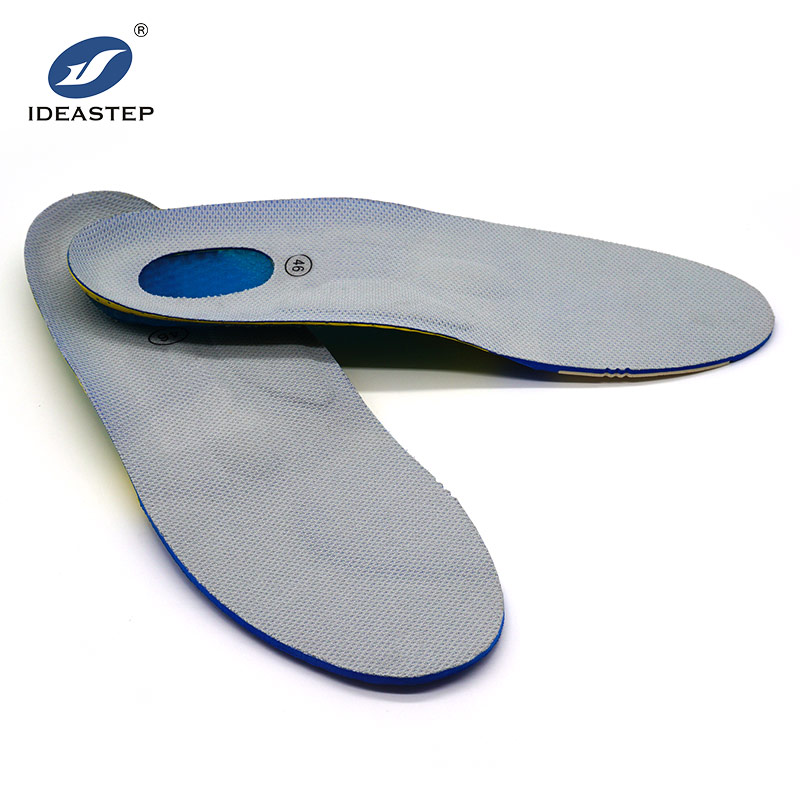
OEM and ODM Memory Foam Insole Options
For footwear brands and wholesalers, standard products may not match specific requirements.
OEM and ODM development provides greater control over the final construction.
Customization may include:
- Custom insole shape
- Foam density
- Insole thickness
- EVA or PU support base
- TPU components
- Top-cover materials
- Printed logos
- Private labeling
- Custom packaging
For example, a brand may use a slim memory foam construction for casual shoes and a thicker version for boots while maintaining a consistent product identity.
What B2B Buyers Should Check Before Ordering
When sourcing memory foam shoe insoles or memory foam boot insoles, buyers should evaluate both product specifications and supplier capabilities.
Material Consistency
Confirm specifications for foam type, density, thickness, and other key materials. Consistency between samples and bulk production is important for repeat orders.
Sample Development
Evaluate samples inside the intended footwear and check:
- Fit and thickness
- Material feel
- Edge finishing
- Bonding
- Top-cover quality
- Shoe compatibility
Customization and Production
For OEM projects, confirm whether the supplier can modify shape, materials, thickness, branding, and packaging.
Also review the supplier’s quality-control process, production capacity, and ability to maintain approved specifications during repeat orders.
How to Choose a Memory Foam Insole Supplier
Price matters, but it should not be the only purchasing criterion.
A capable B2B supplier should support the complete process:
Material Selection → Design → Sampling → Quality Control → Production → Packaging
For OEM and ODM buyers, experience with private labeling, custom packaging, product modification, and repeat production can simplify procurement.
Applications for B2B Buyers
Memory foam insoles can be incorporated into a variety of product lines.
Footwear brands can use them for casual, lifestyle, walking, and outdoor footwear.
Wholesalers and distributors can add memory foam insoles to their footwear accessory ranges.
Workwear suppliers can develop cushioning-focused insoles for compatible work footwear.
OEM buyers can combine memory foam with other materials to create products with their own specifications, branding, and packaging.
Conclusion
Memory foam insoles for shoes boots provide a flexible cushioning option for different footwear applications. By combining memory foam with EVA, PU, TPU, gel, and suitable top-cover materials, manufacturers can develop products with different cushioning, support, and price characteristics.
For B2B buyers, the focus should go beyond softness. Foam density, thickness, support structure, footwear compatibility, material consistency, and customization capability all influence the final product.
For wholesalers, distributors, and footwear brands developing private-label products, an experienced OEM/ODM manufacturer can provide support from design and sampling through bulk production.
Related Reading:
Memory Foam Insoles for Wholesale
Memory Foam Insoles for Women Boots