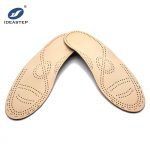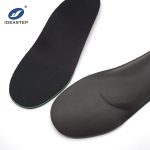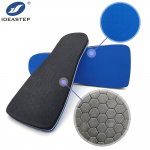
For B2B buyers, choosing an orthotic insoles factory is not only about finding a supplier with existing products. The ability to develop a product from an initial concept, sample, or technical requirement into a stable bulk production item is an important part of successful cooperation.
In custom insole manufacturing, each project involves multiple stages, including product evaluation, material selection, sample development, testing, and production preparation. A clear development process helps ensure that the final product meets the buyer’s requirements before moving into larger orders.
Understanding the Product Requirements
The project began with a buyer looking for a custom orthotic insole solution for their target market. Instead of selecting a standard model, they needed adjustments to the insole structure, material combination, and overall specifications.
The key requirements included:
- Suitable cushioning and support structure
- Specific sizes and dimensions
- Material selection based on product positioning
- Consistent quality for wholesale supply
- OEM branding and packaging requirements
Before development started, the product application, footwear type, and expected performance requirements were reviewed to define the appropriate direction.
Product Design and Material Selection
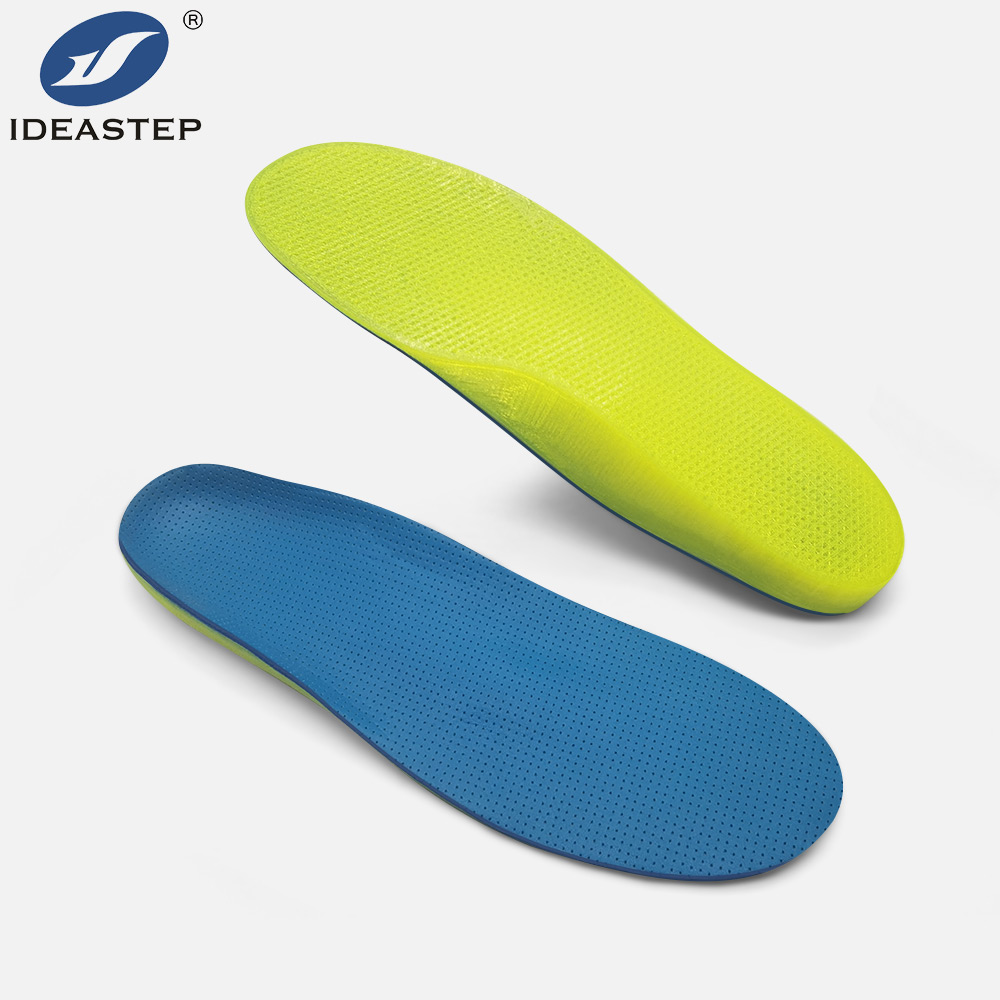
Once the requirements were confirmed, the insole structure was evaluated, including the arch area, heel design, thickness distribution, and material combination.
Material selection plays an important role in insole performance. EVA is commonly used for lightweight cushioning, while TPU, gel, foam, and fabric layers can be incorporated when additional support, flexibility, or surface comfort is required.
The final construction was selected based on the target footwear, production feasibility, and product requirements rather than focusing only on material cost.
Sample Development and Product Evaluation
After the initial design was confirmed, samples were developed for review. The sample stage allows both the buyer and manufacturer to evaluate the product details before starting bulk production.
The main evaluation points included:
- Overall dimensions and shape
- Material structure and thickness
- Arch and heel design
- Flexibility and cushioning performance
- Fit inside the target footwear
- Surface finish and appearance
If adjustments were needed, the structure or material specifications could be modified before final approval. This reduces unnecessary changes during mass production.
From Sample Approval to Bulk Production
After the sample was approved, the confirmed specifications were used as the production reference for bulk manufacturing.
Production details such as material specifications, dimensions, hardness, structure, and packaging requirements were clearly defined to maintain consistency between different production batches.
For wholesale buyers, stable manufacturing processes are essential, especially when repeat orders require the same product specifications over time.
Quality Control During Production
Quality control runs throughout the manufacturing process, from incoming materials to finished products.
Important checkpoints include:
- Raw material inspection
- Production process monitoring
- Size and dimension checking
- Product appearance inspection
- Final packaging verification
Maintaining clear production standards helps reduce variation between batches and supports consistent supply for long-term cooperation.
Why the Development Process Matters
For distributors, footwear brands, and private-label companies, a successful insole project requires more than selecting a ready-made product.
A manufacturer with experience in material selection, structural design, sampling, and production management can provide more flexibility when developing products for different markets.
The process from initial requirement to bulk production creates a clearer connection between product expectations and final manufacturing results.
Working with an Experienced Orthotic Insoles Factory
A reliable orthotic insoles factory should have the ability to support product development as well as manufacturing. Clear communication, suitable material selection, accurate sampling, and stable production are important factors in building long-term cooperation.
If you are developing custom orthotic insoles for OEM or wholesale supply, contact us to discuss your product requirements. We can review the structure design, material options, sample development process, and production requirements based on your project.
Explore More: What Makes a Reliable Custom Orthotic Insole Factory?.