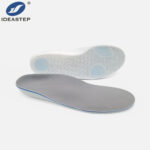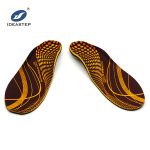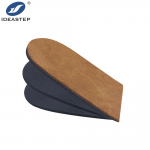
For brands, distributors, and healthcare product companies, developing custom orthotic insoles requires more than a production line. It requires a manufacturing partner with experience in product design, material selection, engineering development, and quality control.
A capable custom orthotic insoles manufacturer supports the entire process, from initial product concepts and prototype development to bulk production and delivery. With OEM and ODM services, manufacturers help customers create orthotic insole products that match their target markets and brand requirements.
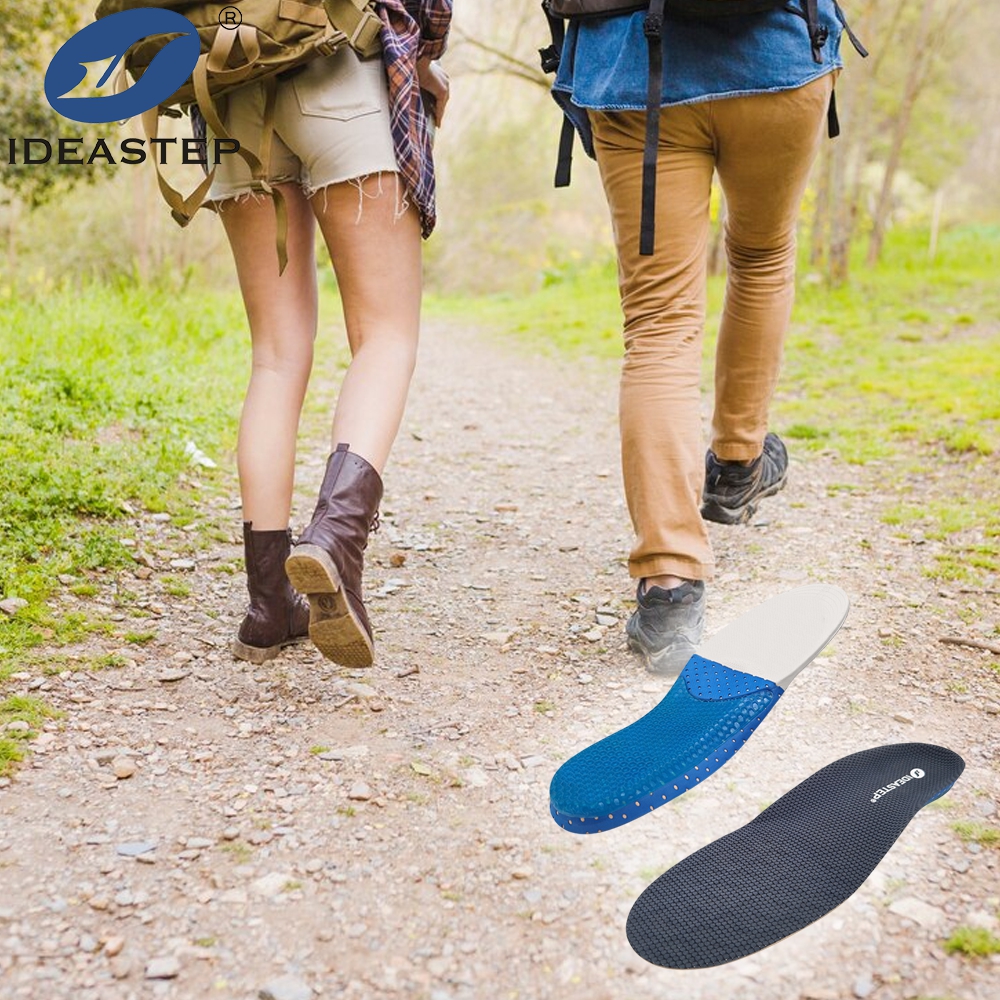
Why Choose a Custom Orthotic Insoles Manufacturer
Selecting the right manufacturer directly affects product quality, development efficiency, and long-term supply stability.
For B2B buyers, key factors usually include:
- Product development experience
- Manufacturing capability
- Material expertise
- Customization flexibility
- Consistent production quality
An experienced manufacturer can help transform product ideas into practical solutions while reducing development time and production risks.
Expertise in Orthotic Insole Development
Custom orthotic insoles require a detailed understanding of foot structure, support requirements, and material performance.
During product development, manufacturers consider factors such as:
- Arch support structure
- Heel stabilization design
- Cushioning areas
- Material hardness
- Overall insole thickness
Different applications require different solutions, including:
- Daily comfort insoles
- Sports support insoles
- Foot care products
- Functional orthotic insoles
By combining design knowledge with manufacturing experience, suppliers can develop products that meet different market requirements.
Manufacturing Capability for Bulk Production
For distributors and brands, production capacity is a key consideration when choosing an orthotic insole manufacturer.
A complete manufacturing process usually includes:
- Product design support
- Mold development
- CNC processing
- Prototype production
- Mass manufacturing
- Quality inspection
Standardized production management helps maintain:
- Consistent product specifications
- Stable product quality
- Reliable delivery schedules
This is especially important for customers requiring long-term bulk supply.
OEM Orthotic Insoles Solutions
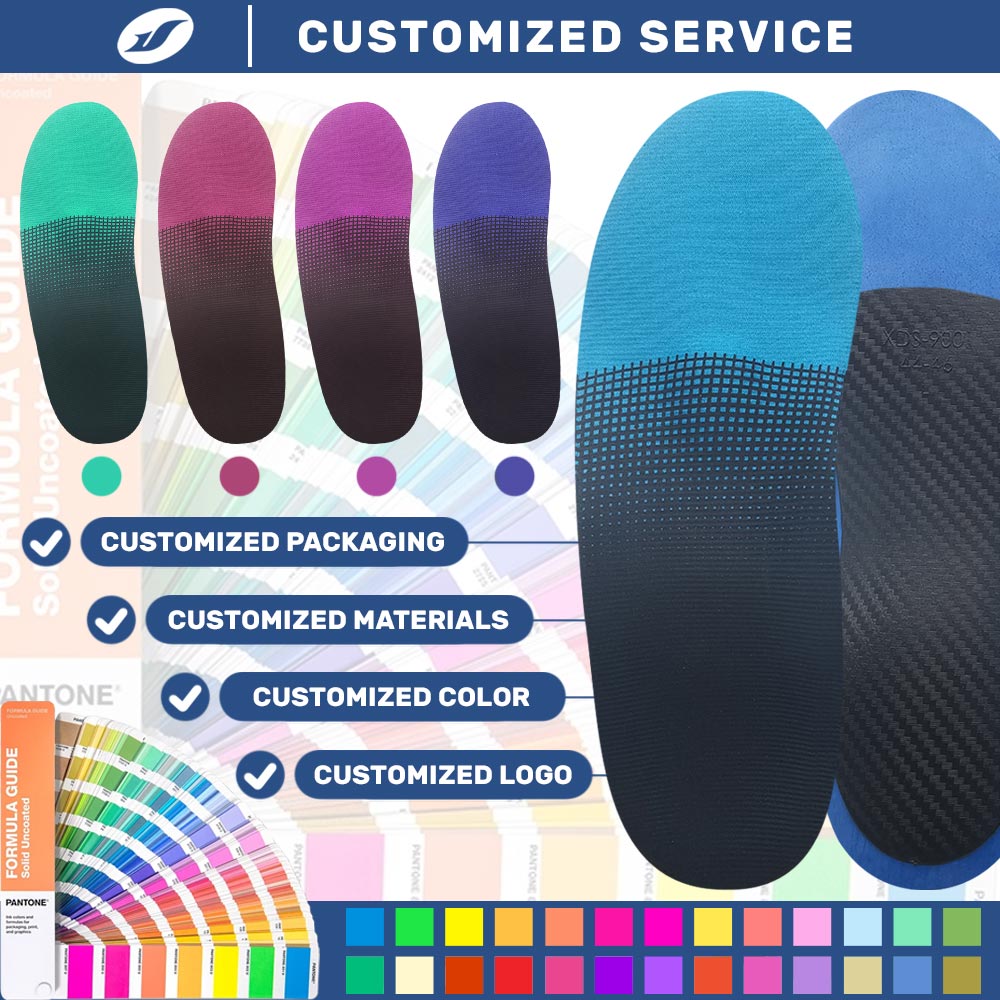
OEM cooperation allows brands to develop customized orthotic insoles based on their own market positioning and customer needs.
A manufacturer can support:
- Customized product structures
- Material combinations
- Size specifications
- Logo branding
- Packaging solutions
Instead of relying on standard products, brands can create unique insole solutions that better match their customers and market positioning.
Custom Design and Product Development Process
A successful OEM project starts with a clear understanding of the customer’s requirements.
Requirement Analysis
The manufacturer evaluates:
- Target market
- Product application
- Functional requirements
- Design expectations
Based on these factors, the engineering team provides suggestions on structure, materials, and production feasibility.
Structural Design and Material Selection
During the design stage, manufacturers optimize:
- Arch support areas
- Cushioning zones
- Support components
- Surface materials
EVA Foam
EVA is widely used in orthotic insoles due to:
- Lightweight properties
- Good cushioning performance
- Flexible hardness options
- Easy customization
TPU Support Components
TPU is commonly added to improve:
- Structural stability
- Shape retention
- Long-term durability
Multi-Layer Material Solutions
Different materials can be combined according to product requirements, such as:
- EVA
- TPU
- PORON
- Latex
- Fabric covers
Material combinations help achieve different levels of support, cushioning, and comfort.
ODM Orthotic Insoles Development
ODM cooperation provides customers with a complete product development solution, from concept planning to finished products.
Market Research and Product Planning
Before development begins, manufacturers analyze:
- Target users
- Product positioning
- Application scenarios
- Performance expectations
This ensures the final product matches market requirements.
Prototype Development and Testing
After confirming the design concept, the development team creates prototypes through:
- Product structure design
- 3D modeling
- Prototype production
- Sample evaluation
- Design improvement
Prototype testing helps identify potential issues and ensures the product is ready for production.
Mass Production and Quality Control
After sample approval, the product enters the manufacturing stage.
Quality control includes:
- Raw material inspection
- Production process monitoring
- Dimension checking
- Appearance inspection
- Final packaging review
A controlled production process ensures consistency between samples and bulk orders.
OEM and ODM Cooperation Process
A clear cooperation process helps customers understand each development stage.
Step 1: Requirement Discussion
Understanding:
- Product goals
- Market requirements
- Customization needs
Step 2: Design Proposal
Providing:
- Product structure suggestions
- Material recommendations
- Manufacturing solutions
Step 3: Prototype Development
Creating samples for evaluation and improvement.
Step 4: Testing and Adjustment
Optimizing the product based on feedback.
Step 5: Bulk Production
Starting production after sample approval.
Step 6: Delivery and Continued Cooperation
Supporting ongoing supply and future product development.
Quality Control and Production Management
For B2B customers, consistent quality is essential for maintaining market reputation.
A professional manufacturing system includes quality checks throughout production:
- Incoming material inspection
- Production monitoring
- Product dimension testing
- Appearance inspection
- Packaging verification
These processes help ensure every production batch meets the agreed specifications.
Why Partner with Our Custom Orthotic Insoles Factory
Choosing the right factory means gaining more than manufacturing capacity. It means working with a partner who can support product development and long-term growth.
Product Development Support
From structure design to material selection, experienced teams help optimize product solutions.
Flexible OEM and ODM Services
Manufacturers can adjust designs, materials, and specifications according to customer requirements.
Stable Bulk Production
Standardized processes support consistent quality for wholesale and repeat orders.
Long-Term Supply Partnership
A reliable manufacturing partner helps brands develop products efficiently and maintain stable supply chains.
Conclusion
A successful custom orthotic insoles project requires a combination of design expertise, material knowledge, and manufacturing capability.
From product planning and prototype development to quality-controlled mass production, an experienced custom orthotic insoles manufacturer can help brands, distributors, and healthcare companies bring products to market more efficiently.
For businesses looking for OEM or ODM orthotic insole solutions, choosing a manufacturer with strong development capabilities and production experience is the foundation for long-term cooperation.
Explore More: Ideastep insoles for foot pain manufacturers for shoes maker.