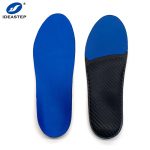
For wholesalers, distributors, footwear brands, and foot care companies, an OEM orthotic insole project can start with a drawing, reference sample, or simply a product idea. Turning it into a production-ready product requires more than manufacturing capacity. Materials, structure, tooling, sampling, quality control, and production consistency all need to be considered from the start.
A capable orthotic insoles factory should have a clear process for taking a product from the first discussion to bulk production.
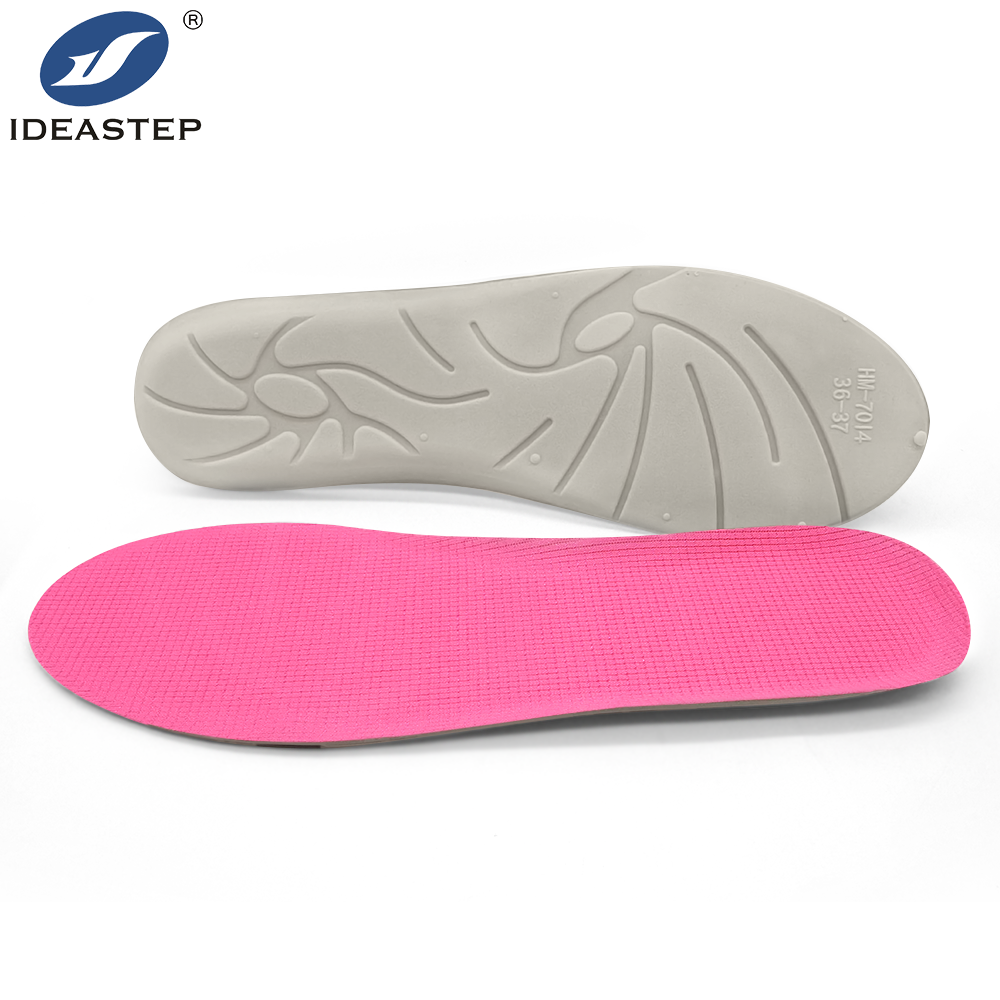
Understanding the OEM Requirements
Every OEM project starts with the product requirements. The factory needs to understand how the insole will be used, where it will be sold, and what the buyer expects from the finished product.
Key details usually include:
- Size range
- Arch height and support
- Heel cup depth
- Overall thickness
- Cushioning areas
- Material requirements
- Top-cover material
- Logo and packaging
- Expected order quantity
If the buyer has an existing sample or drawing, it provides a useful starting point. If not, the factory needs to work from the intended application, target price, and product concept.
Getting these details right early helps avoid unnecessary sample revisions later.
Reviewing the Sample or Product Concept
Many OEM projects begin with an existing insole. Before reproducing it, the factory should examine its construction rather than simply copy its external shape.
Important points include:
- Overall dimensions and shape
- Arch structure
- Heel cup
- Thickness
- Material layers
- Support components
- Top-cover material
- Bonding and finishing
This review helps determine which parts should remain unchanged and which can be optimized.
For a new product without a reference sample, the same process starts from the buyer’s requirements. The factory can then recommend a suitable structure and material combination.
Selecting Materials and Building the Structure
Material selection affects cushioning, flexibility, support, durability, weight, and cost. A professional custom orthotic insoles supplier should understand how different materials perform within the complete insole structure.
Common choices include EVA, TPU, PU, PORON, memory foam, and textile covers.
EVA is widely used for lightweight cushioning and different hardness levels. TPU is commonly used for support and stabilizing components. PU and other cushioning foams can be used in comfort-focused constructions, while fabric, mesh, or velvet covers provide different surface characteristics.
The materials also need to work together. Changing the thickness or hardness of one layer can affect the flexibility, overall height, or production process.
For this reason, material selection should be made together with the structural design rather than treated as a separate step.
Developing the First OEM Sample
Once the basic specifications are confirmed, the factory can develop the first sample.
Depending on the product, this may involve:
- CAD or 3D design
- Mold preparation
- CNC processing
- Material cutting
- Forming or molding
- Lamination
- Component assembly
- Edge trimming
The production method depends on the product structure, materials, required accuracy, and order volume.
The first sample gives the buyer and factory a physical product to evaluate before committing to bulk production.
Evaluating and Revising the Sample
Sample development is where many product details are finalized. The buyer may request changes after reviewing the sample’s fit, support, cushioning, materials, or appearance.
Common adjustments include:
- Arch height
- Heel cup depth
- Thickness
- Material hardness
- Cushioning level
- Top-cover material
- Overall shape
Each change should be recorded and confirmed. Once the final sample is approved, it becomes the reference for mass production.
This step is critical for OEM orders because it establishes exactly what the factory is expected to manufacture.
Creating the Production Specification
The approved sample needs to be supported by clear production information. This helps the factory reproduce the product consistently rather than relying on a physical sample alone.
The production specification may include:
- Material specifications
- Dimensions and size range
- Thickness and hardness
- Layer structure
- Component positions
- Logo placement
- Packaging requirements
- Inspection points
For repeat orders, these records allow the factory to reproduce the same product without restarting development.
Preparing for Bulk Production
After sample approval, the factory prepares materials, tooling, packaging, and production scheduling.
Before production begins, both sides should confirm:
- Final quantity
- Material availability
- Tooling requirements
- Production schedule
- Packaging and labels
- Inspection requirements
- Shipping details
This pre-production check is also the right time to catch issues such as incorrect artwork, packaging information, or product files.
Quality Control During OEM Production
Quality control should cover materials, production, and finished products.
Incoming Material Inspection
Materials can be checked for density, hardness, thickness, color, and surface condition according to the agreed specifications.
In-Process Inspection
During production, the factory can monitor:
- Cutting accuracy
- Dimensions
- Thickness
- Layer alignment
- Component placement
- Bonding
- Edge finishing
Final Inspection
Before shipment, finished products should be checked for quantity, dimensions, appearance, structure, bonding, logo accuracy, packaging, and consistency with the approved sample.
The exact inspection requirements should be agreed before production so both parties have the same quality standard.
Packaging, Labeling, and Shipment
For private-label OEM projects, packaging needs to be treated as part of the product specification.
Depending on the project, requirements may include:
- Private-label packaging
- Product and size labels
- Barcodes
- Carton markings
- Shipping marks
- Packing quantities
Confirming these details before production helps prevent delays when the finished products are ready for shipment.
Maintaining Consistency for Repeat Orders
For a B2B buyer, the first order is only part of the relationship. Future orders need to match the approved product.
A reliable factory should retain the product specifications, production files, approved sample information, material requirements, and revision records.
This gives the production team a clear reference for repeat orders and reduces the risk of changes between batches.
The key question is simple: Can the factory make the same product again months later?
That depends on documented specifications and consistent production control, not just the quality of the first sample.
Questions to Ask an Orthotic Insoles Factory
Before choosing an OEM supplier, buyers should ask:
- Can you manufacture from an existing sample or drawing?
- Which materials are available for customization?
- Can the arch, heel cup, thickness, and support structure be adjusted?
- How long does sample development take?
- What is the MOQ for OEM production?
- How do you control consistency during bulk production?
- Can you provide private-label packaging?
- What technical and material documents are available?
These questions can quickly show whether a factory is equipped for customized production or mainly supplies standard products.
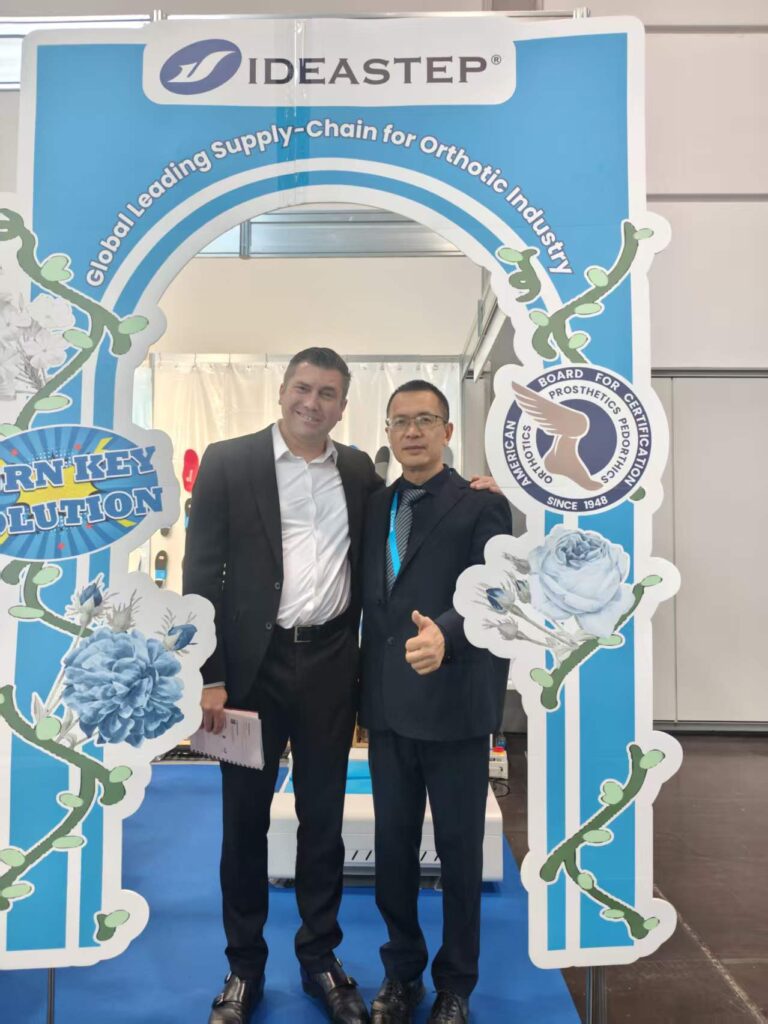
Why Choose Ideastep for OEM Orthotic Insoles?
Ideastep has been involved in footwear materials since 1989 and supports orthotic insole and EVA product development for B2B customers.
Depending on the project, services can include material selection, structural adjustments, OEM/ODM development, sample preparation, custom branding, packaging, CNC processing, and selected 3D design or printing applications.
Projects can start with a reference sample, drawing, specifications, or product concept. The factory can then evaluate the required materials, structure, size range, quantity, packaging, and other production details.
For a new OEM project, providing clear specifications at the beginning makes it easier to evaluate feasibility, develop samples, and prepare an accurate quotation.
Conclusion
A successful OEM orthotic insole project depends on a controlled process from requirement review and material selection to sampling, production, quality control, and delivery.
For B2B buyers, the right orthotic insoles factory should not only manufacture the product but also turn the approved design into a repeatable production standard.
If you are developing a private-label orthotic insole or looking for an OEM manufacturing partner, please contact the Ideastep team to discuss your product structure, materials, sampling, MOQ, packaging, and production requirements.
Related Reading: Latex Insoles: Durable Shock Absorption and Eco-Friendly Footwear Support.