For wholesalers, foot care brands, footwear companies, and distributors, flat feet corrective insoles need to balance support, comfort, product consistency, and production cost. For businesses testing a new product line, low MOQ also makes it easier to evaluate market demand before placing a large order.
What Are Flat Feet Corrective Insoles?
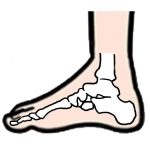
Flat feet corrective insoles are designed to provide structured support for feet with a low or reduced arch. Unlike basic cushioning insoles, they focus on foot support and load distribution inside the shoe.
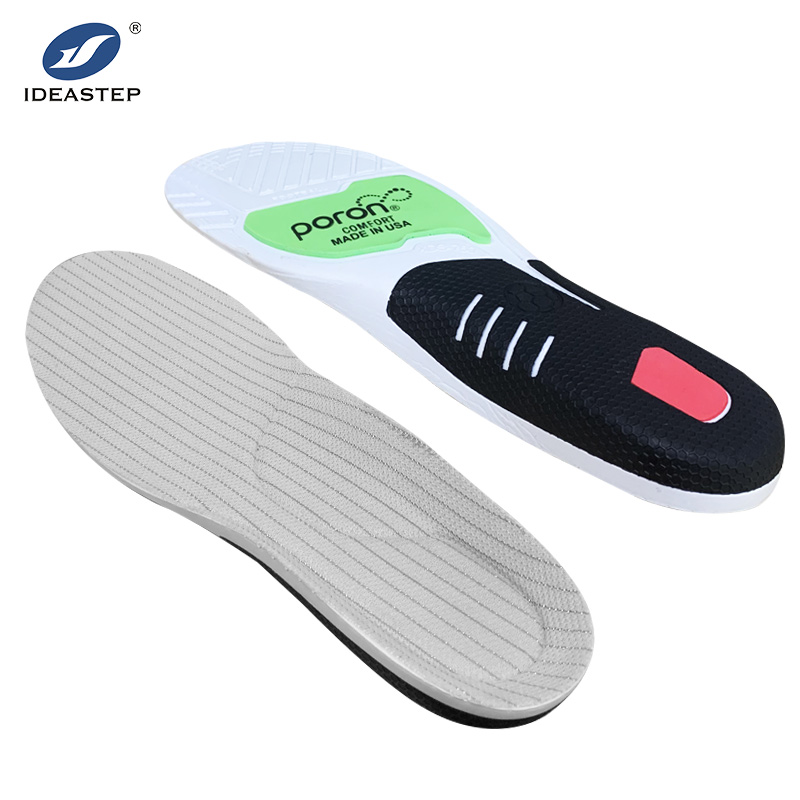
Common design features include:
- Contoured arch support
- Deep heel cup
- Rearfoot stabilization
- Cushioning zones
- Different-density material areas
The final structure depends on the intended use, footwear type, and required support level.
Biomechanical Considerations in Insole Design
Biomechanical correction is not simply a matter of making the arch higher. The arch contour, heel cup, support stiffness, forefoot flexibility, and cushioning areas must work together.
For example, a structured TPU component may provide stability, while EVA, PU, PORON, or memory foam can be used in areas that require cushioning. The position and hardness of each material can affect the insole’s flexibility, comfort, and overall support.
For OEM projects, these details should be confirmed during sample development.
Key Features of Flat Feet Shoe Inserts
Contoured Arch Support
The arch shape, height, and width should match the intended product design. Poorly positioned support may affect comfort, so the arch structure needs to be checked carefully during sampling.
Deep Heel Cup
A deep heel cup helps contain the heel and provides a more stable base inside the shoe. It is often combined with arch support to create a more controlled insole structure.
Support and Cushioning Zones
Different areas of the insole may require different material characteristics. Combining firmer support components with softer cushioning materials can provide a balance between stability and comfort.
Why Low MOQ Matters for B2B Buyers
A low minimum order quantity allows buyers to test a product without committing to a large inventory investment. It can be useful for:
- New product launches
- Private-label brands
- Regional distributors
- Foot care suppliers
- Market testing
- Small and medium-sized footwear businesses
Buyers can evaluate product quality, packaging, customer response, and sales performance before increasing order volumes.
Materials Used in Corrective Insoles
Material selection affects support, cushioning, durability, weight, and cost.
- EVA: Lightweight and available in different hardness levels for cushioning or structural applications.
- TPU: Suitable for support and stabilizing components.
- PU, PORON, and memory foam: Commonly used for cushioning and comfort.
- Fabric, mesh, and velvet: Used for different top-cover requirements.
The best material combination depends on the intended application, product structure, target price, and production method.
From Sample to Low MOQ Production
An OEM project can begin with an existing sample, drawing, specification, or product concept. The factory reviews the structure and materials, then develops a sample for evaluation.
During this stage, buyers may request changes to the arch height, heel cup, thickness, cushioning, top cover, or support components.
Once the sample is approved, the factory should document the materials, dimensions, component positions, logo details, packaging, and inspection requirements. These records help ensure that low MOQ production and future repeat orders follow the same standard.
What Buyers Should Check Before Ordering
Before choosing a supplier, B2B buyers should ask:
- Can the arch structure and heel cup be customized?
- Which materials and support components are available?
- What is the MOQ for customized production?
- Can private-label packaging be provided?
- How is product consistency controlled?
- Can the approved design be reproduced for repeat orders?
These questions help distinguish a standard insole supplier from a manufacturer with genuine OEM development capabilities.
Why Work With Ideastep?
Ideastep develops and supplies custom orthotic and functional insoles for B2B customers, with experience in EVA materials and insole production.
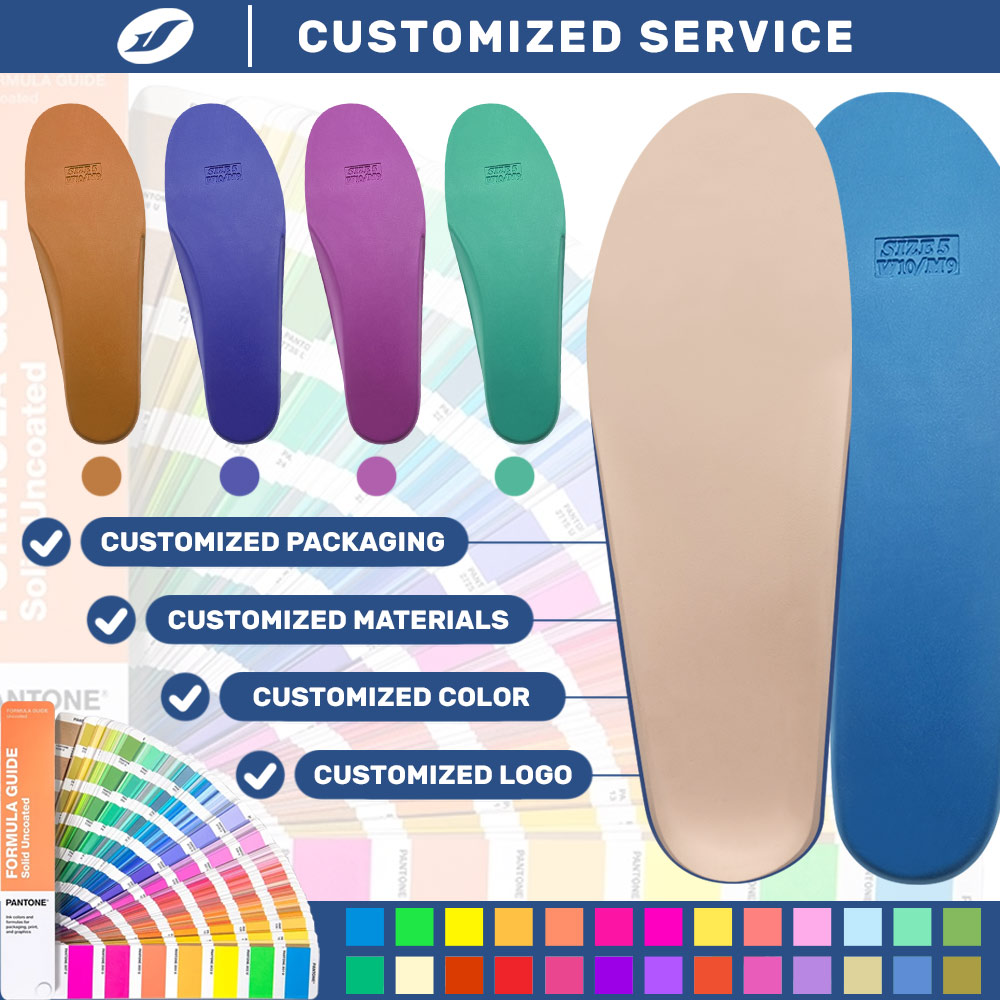
Depending on the project, buyers can discuss material selection, arch structure, support components, sizing, branding, packaging, OEM/ODM development, and production quantities with the team.
For businesses that are not ready for a large initial order, discussing low MOQ options can provide a practical way to test a new flat feet corrective insole before scaling production.
Conclusion
A well-designed flat feet corrective insole combines arch support, heel containment, cushioning, materials, and overall geometry. For B2B buyers, low MOQ production provides more flexibility when testing customized shoe inserts and developing a new product line.
If you are developing flat feet corrective insoles or looking for a low MOQ OEM supplier, please contact the Ideastep team to discuss your product requirements, materials, sampling, and production quantity.
Related Reading: What orthopedic insoles mean for people with flat feet.