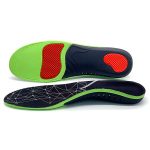
OEM orthotic insoles allow footwear brands, distributors, clinics, and foot-care companies to develop products around specific market and footwear requirements. Buyers can define the materials, structure, dimensions, branding, and packaging instead of relying on a standard product.
For a smooth OEM project, these specifications need to be clear before sampling and remain consistent through bulk production.
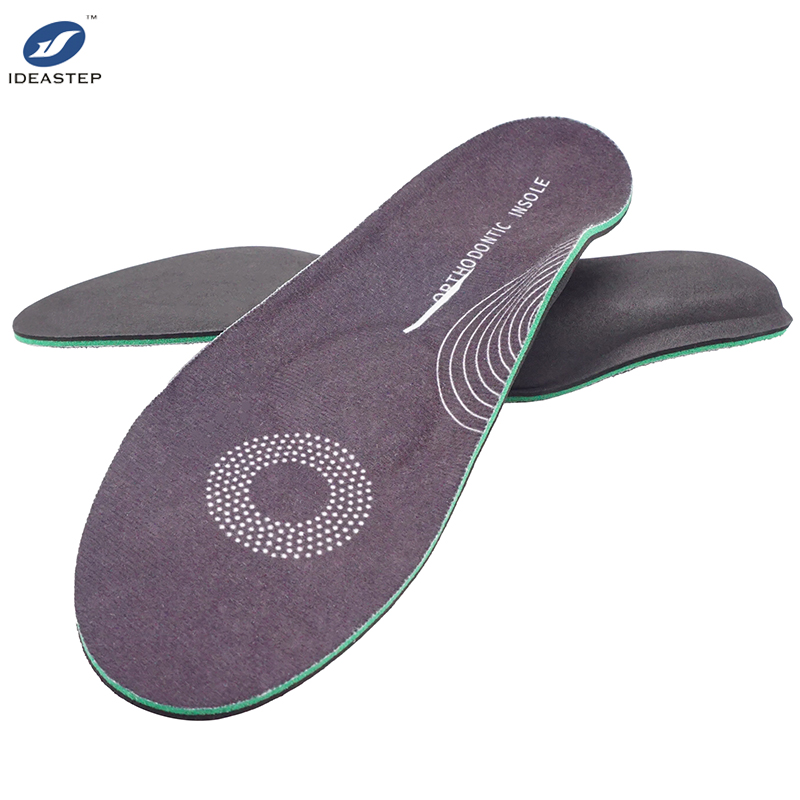
What Are OEM Orthotic Insoles?
OEM orthotic insoles are manufactured according to a buyer’s specifications. Depending on the project, customization may include:
- Insole shape and dimensions
- Arch and heel structure
- Cushioning materials
- Top-cover materials
- Size range
- Colors and logos
- Packaging
OEM is particularly useful for buyers developing a proprietary product, modifying an existing insole, or creating a private-label range.
Key Specifications for B2B Buyers
Before sampling, buyers should define the basic product requirements.
Footwear Application
Identify the target footwear, such as sports shoes, work shoes, casual footwear, or safety shoes. Available shoe space and construction will affect the insole’s thickness, flexibility, and structure.
Insole Structure
Important specifications may include:
- Arch height and support
- Heel cup depth
- Forefoot flexibility
- Cushioning zones
- Overall thickness
- Length and width
An existing sample, drawing, or reference product can make these requirements easier to communicate.
Material Selection
Common materials include EVA, TPU, PU, PORON, memory foam, cork, and textile fabrics. Each offers a different balance of cushioning, flexibility, resilience, weight, and durability.
Material selection should follow the intended application and product structure rather than focusing only on softness.
OEM Sampling Process
Sampling confirms whether the proposed design works before bulk production.
1. Requirement Review
The buyer provides a sample, drawing, reference product, or product concept.
2. Material and Structure Confirmation
The manufacturer confirms dimensions, materials, layer construction, support features, and production requirements.
3. Sample Production
A prototype is produced according to the agreed specifications.
4. Sample Evaluation
The buyer checks fit, thickness, arch and heel structure, cushioning, surface feel, and compatibility with the target footwear.
5. Approval
After revisions, the final sample is approved and used as the reference for production.
How to Evaluate an OEM Manufacturer
B2B buyers should evaluate more than a supplier’s product catalog. Key questions include:
- Can the manufacturer work from samples or technical drawings?
- What materials and production methods are available?
- Can the structure be modified?
- What are the MOQ and tooling requirements?
- How are samples and revisions managed?
- What quality checks are performed?
- Can the manufacturer handle branding and packaging?
- Can repeat orders follow the approved specification?
Clear answers to these questions can reduce development issues and production variation.
MOQ and Bulk Production
MOQ depends on the materials, tooling, production method, customization, and packaging. New buyers may prefer a smaller initial order to test a product or market before increasing volume.
Before placing a bulk order, confirm:
- MOQ and sample cost
- Tooling cost, if applicable
- Production lead time
- Packaging requirements
- Shipping and payment terms
These details should be agreed upon before production starts.
Quality Control
For branded OEM products, consistency between samples and bulk orders is essential.
Depending on the design, quality checks may cover:
- Material hardness and density
- Length, width, and thickness
- Arch and heel structure
- Layer alignment and bonding
- Surface and edge finishing
- Color consistency
- Logo placement
- Packaging
The approved sample and production specification should remain the reference for bulk and repeat orders. Material or structural changes should be reviewed before implementation.
OEM and Private-Label Applications
OEM orthotic insoles can be developed for:
- Orthotic and insole distributors
- Foot-care product companies
- Footwear brands
- Sports and fitness suppliers
- Workwear and safety footwear companies
- Clinics and professional footwear businesses
- Private-label retailers
Customization may cover insole geometry, materials, top covers, colors, logos, packaging, and size ranges.

Ideastep OEM Orthotic Insole Manufacturing
Ideastep develops custom orthotic and functional insoles for B2B customers using EVA, TPU, PU, memory foam, textile fabrics, and other cushioning or support materials.
OEM and ODM projects can start from a sample, technical drawing, reference product, or new product concept. Depending on the project, development can include material selection, structural adjustments, sizing, top covers, branding, packaging, and bulk production.
For project evaluation, buyers can provide the target footwear, product dimensions, preferred materials, estimated quantity, and available samples or drawings.
Conclusion
OEM orthotic insoles give B2B buyers control over product structure, materials, sizing, branding, and packaging. A clear specification, practical sample process, and documented quality standard help keep the final product consistent.
If you are developing OEM orthotic insoles for wholesale or private label, please contact the Ideastep team with your sample, drawing, or product requirements for further discussion.
Related Articles:
Custom Orthotic Insoles Case Study: From Design to Production