For B2B buyers, an orthotic insoles factory needs to do more than supply finished products. It should be able to turn a sample, drawing, or product concept into a repeatable production specification.
A typical OEM project moves through design, material selection, sampling, approval, bulk production, and quality control.
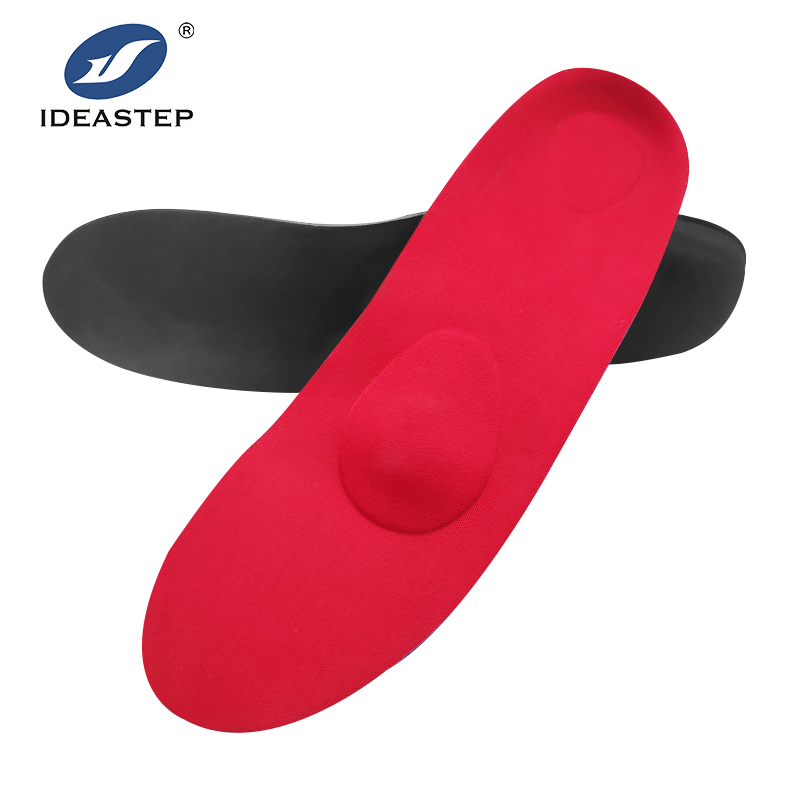
Design and Requirement Review
The project usually starts with a sample, technical drawing, reference product, or product concept.
The factory reviews:
- Target footwear and application
- Insole length, width, and thickness
- Arch and heel structure
- Cushioning requirements
- Materials
- Size range
- Top-cover and branding requirements
Footwear space is also important. An insole designed for a sports shoe may need different thickness or flexibility from one intended for work or safety footwear.
3D Design and Structure Development
Once the requirements are clear, the insole structure can be developed with CAD or 3D design software.
Key design elements may include:
- Arch height and shape
- Heel cup depth
- Forefoot support
- Cushioning zones
- Overall thickness
- Flexibility and edge profile
Digital design makes structural revisions easier before physical production and provides a clearer reference for later manufacturing.
Material Selection
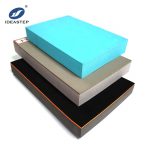
Common insole materials include EVA, TPU, PU, memory foam, PORON, cork, and textile fabrics.
The choice depends on the intended application and structure. EVA may be used for lightweight cushioning and support, while TPU can provide a more structured component. Textile or mesh fabrics are often used for top covers.
For multi-layer insoles, the materials also need to work together in terms of bonding, thickness, flexibility, and durability.
Prototype and Sample Production
After the design is confirmed, the factory produces a prototype using the appropriate manufacturing method.
Depending on the product, production may involve:
- CAD or 3D data preparation
- CNC machining, molding, or 3D printing
- Material cutting and forming
- Layer bonding
- Top-cover application
- Edge finishing
The sample is then checked against the agreed dimensions, structure, and materials.
Sample Evaluation and Approval
The buyer evaluates the sample in the target footwear and checks factors such as fit, thickness, support structure, cushioning, material feel, and appearance.
If changes are needed, the factory updates the design or specifications and produces another sample when necessary.
Once approved, the final sample becomes the reference for bulk production.
Bulk Production
Production begins after the sample and specifications are approved.
A typical process may include:
- Raw material preparation
- Cutting or forming
- CNC machining or molding
- Layer assembly and bonding
- Top-cover attachment
- Edge finishing
- Logo application
- Final inspection
- Packaging
The production process depends on the insole structure and manufacturing method. Any change to materials, dimensions, or construction should be reviewed before implementation.
Quality Control
For B2B orders, consistency is as important as the initial sample.
Quality checks may cover:
- Length, width, and thickness
- Material hardness and density
- Arch and heel dimensions
- Layer alignment and bonding
- Surface and edge finishing
- Color consistency
- Logo position
- Packaging
The approved sample and production specifications should remain the reference for bulk and repeat orders.
Packaging and Shipment
After inspection, finished insoles are packed according to the agreed requirements. Options may include individual bags, boxes, bulk cartons, or private-label packaging.
Before shipment, the factory should verify quantities, labels, packaging, and shipping marks against the purchase order.
What B2B Buyers Should Check
When evaluating an orthotic insoles factory, buyers should ask:
- Can the factory work from samples or technical drawings?
- What materials and manufacturing methods are available?
- Can the structure be modified?
- How are samples and revisions managed?
- What quality checks are performed?
- Can branding and packaging be customized?
- Can the approved specifications be maintained for repeat orders?
- What are the MOQ, tooling costs, and lead times?
These points help buyers understand whether a supplier can support both product development and ongoing production.
Ideastep Orthotic Insole Manufacturing
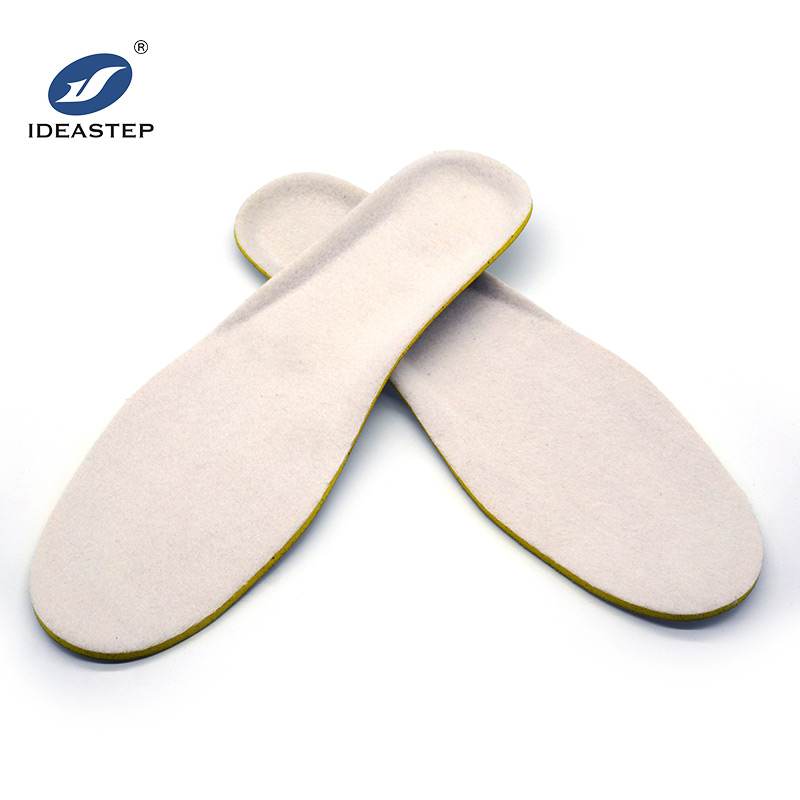
Ideastep provides OEM and ODM development for custom orthotic and functional insoles. Projects can start from a physical sample, technical drawing, reference product, or new product concept.
Depending on the project, production may involve CAD design, CNC processing, 3D printing, material selection, structural adjustments, sizing, top covers, branding, and packaging.
Materials include EVA, TPU, PU, memory foam, and textile fabrics for different insole applications. Buyers can provide their target footwear, specifications, samples, drawings, and estimated quantity for project evaluation.
Conclusion
From the first design to bulk production, an orthotic insole project depends on clear specifications and consistent manufacturing.
For B2B buyers, the key is to work with a factory that can manage design, sampling, material selection, production, and quality control under one documented process.
If you are developing custom or OEM orthotic insoles, please contact the Ideastep team with your product requirements, sample, or technical drawing.
Related Articles:
Ideastep New shoes that take orthotic insoles factory for Shoemaker