Introduction
Modern consumers are increasingly prioritizing foot health, driving steady growth in demand for functional, therapeutic footwear accessories. For B2B footwear distributors, footcare retailers, and orthotic product brands, full length composite orthopaedic insoles wholesale has become a high-margin, low-complaint staple product line. Different from ordinary foam insoles that only provide basic cushioning, composite orthopaedic insoles adopt multi-layer structural design, combining firm support and daily wearing comfort. Delivering full-foot coverage and standardized orthotic correction, these wholesale-grade inserts perfectly meet the market demand for durable, posture-correcting foot support. This practical sourcing guide breaks down their core strengths, applicable scenarios, quality selection criteria and customizable services to help bulk buyers make stable, profitable purchasing decisions.
 gg54060.jpg
What Are Full Length Composite Orthopaedic Insoles?
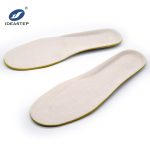
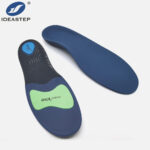
Full-length composite orthopaedic insoles are professional foot support inserts built with multi-material composite lamination structure. They integrate a rigid supportive base layer and a skin-friendly cushioning top layer, covering the entire foot area from forefoot to heel. Most qualified wholesale models adopt high-toughness composite substrates, paired with breathable foam or sweat-wicking fabric surfaces.
The composite structure solves the two major drawbacks of single-material insoles: insufficient support and easy compression deformation. It retains stable orthotic performance for long-term use while avoiding the hardness and stuffiness of pure rigid orthotic plates. Balancing functionality and comfort, these insoles are suitable for daily wear, mild foot problem relief and long-hour standing protection, occupying a vital middle-to-high-end market position in the wholesale footcare industry.
Core Wholesale Advantages of Composite Orthopaedic Insoles
Stable Arch Support and Posture Correction
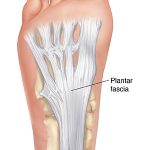
The biggest value of composite orthopaedic insoles lies in standardized structural support. The tailored arch curve effectively lifts collapsed arches, improves overpronation and supination, and corrects irregular walking postures. By evenly dispersing foot pressure, it reduces repeated stretching of the plantar fascia, relieves heel pain and foot fatigue caused by long-time standing and walking. For wholesale sellers, this practical therapeutic function greatly improves product competitiveness and end-user satisfaction.
Anti-Deformation Structure for Long Service Life
Ordinary sponge and EVA orthotic insoles are prone to flattening and elasticity loss after frequent extrusion, resulting in rapid performance degradation. In contrast, full-length composite orthopaedic insoles feature reinforced layered bonding, with strong compression resistance and shape retention. The support structure remains stable after long-term use, effectively reducing product replacement frequency. Lower damage rates and longer service life mean fewer after-sales disputes and better word-of-mouth accumulation for wholesale orders.
Full-Foot Even Pressure Distribution
Many partial orthotic insoles only support local areas, leading to unbalanced foot force and limited correction effect. The complete full-foot coverage design fits the natural foot contour perfectly, uniformly transferring heel and forefoot pressure. It avoids local pressure concentration, alleviates foot soreness, and brings more comfortable and stable wearing experience. Universally compatible with most shoe types, these insoles are easier for terminal customers to accept and promote.
Multi-Grade Customization to Cover Diverse Markets
Composite structural design supports flexible tiered product development, helping wholesalers avoid homogeneous price competition. Manufacturers can adjust base rigidity, cushion thickness, surface fabric and breathability according to different positioning. Light and soft versions adapt to daily casual shoes and walking shoes, while high-rigidity upgraded models are suitable for work safety shoes and professional footcare scenarios. This multi-product layout perfectly covers mass consumption, daily comfort and professional therapeutic markets.
Typical Bulk Application Scenarios
Full length composite orthopaedic insoles feature high practicability and wide applicability, suitable for multiple B2B wholesale channels:
- Footcare retail stores and podiatry matching supporting products
- Work boots and safety footwear for long-hour standing workers
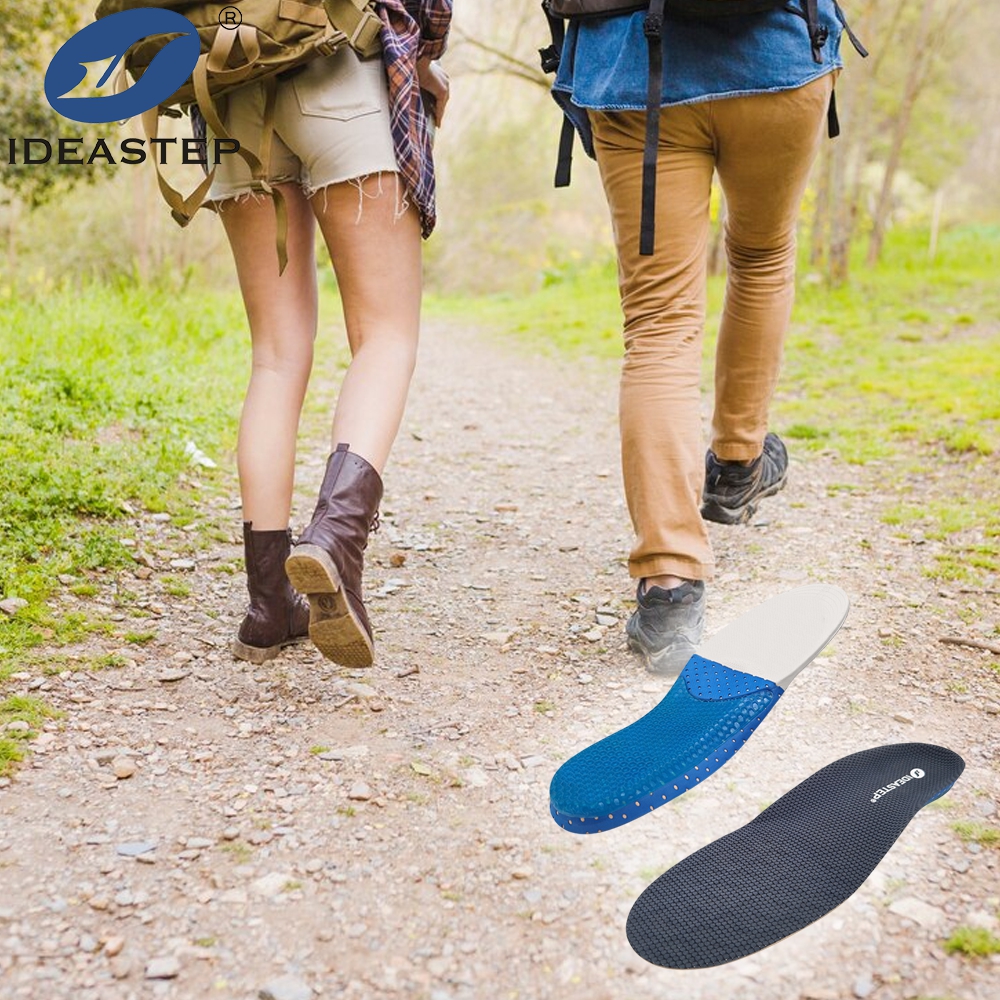
- Daily casual shoes, walking shoes and outdoor sports footwear
- Orthopaedic shoe brands and customized footwear supporting accessories
- E-commerce wholesale stores focusing on foot health and functional insoles
Bulk Sourcing Quality Control Standards
Product quality varies greatly among different manufacturers. To stabilize terminal sales and reduce after-sales risks, B2B buyers must focus on the following core quality indicators during sampling and bulk procurement.
First, structural toughness. Qualified composite insoles have moderate rigidity, not easy to bend and deform under body weight, ensuring continuous orthotic support without stiff wearing feeling. Second, lamination quality. The layered interface must be tightly bonded to avoid layer separation and peeling after repeated extrusion and cleaning. Third, surface workmanship. Smooth edge trimming and skin-friendly breathable fabric prevent foot friction, stuffiness and odor.
Professional suppliers provide batch consistency testing, material certification and durability test reports. Always complete sample verification before large-scale orders to ensure stable product performance matching your market positioning.
Private Label Wholesale Customization
To help wholesale customers build exclusive brand advantages, reliable manufacturers support one-stop private label services. You can customize brand logo printing, exclusive surface textures, personalized colors and tailored insole thickness. Meanwhile, customized independent packaging and size calibration services are available to meet differentiated brand positioning.
Flexible MOQ settings support small-batch trial sales and large-scale batch production, allowing wholesalers to steadily expand mid-to-high-end functional insole product lines and increase retail profit margins.
Product Limitations for Accurate Market Matching
For reasonable customer expectation management and lower return rates, wholesalers need to clarify product positioning: full-length composite orthopaedic insoles are ideal for mild and moderate flat feet, arch fatigue, gait deviation and daily foot pressure relief. They are daily therapeutic protective products, not alternative prescription orthotics for severe foot deformities.
In addition, due to the composite layered structure, the overall thickness is higher than ordinary thin insoles, which is not suitable for ultra-narrow slim dress shoes. Clear product matching guidance can effectively improve terminal conversion rate and user reputation.
Conclusion
As consumers’ awareness of foot health continues to rise, full length composite orthopaedic insoles wholesale will maintain stable market growth. With reliable structural support, durable anti-deformation performance, full-foot pressure relief and flexible multi-grade customization, composite orthopaedic insoles have become indispensable high-quality products in B2B footcare and footwear supply chains. For wholesale buyers seeking low-risk, high-reputation and high-margin product upgrades, standardized composite orthopaedic insoles are the optimal long-term inventory choice.
Contact our team today to get free product samples, complete material test reports and competitive bulk wholesale pricing.
Related Post: 3/4 Length vs Full Length Orthotic Insoles for Orthopaedic Footwear Production.