Anyone working in orthopaedic footwear manufacturing knows that picking the right insoles makes a huge difference to the final product. For shoemakers and workshop owners, choosing between 3/4 length and full length orthotic insoles is a daily, key decision. Though both styles are staples in wholesale orthopaedic footwear production, they serve distinct support purposes, fit different shoe designs, and cater to separate end-user needs.
Most UK and European footwear manufacturers stock both insole types to broaden their product ranges. Knowing exactly how these two insoles differ helps factories cut down on material waste, boost overall shoe comfort, and match each project with the perfect orthotic insole solution.
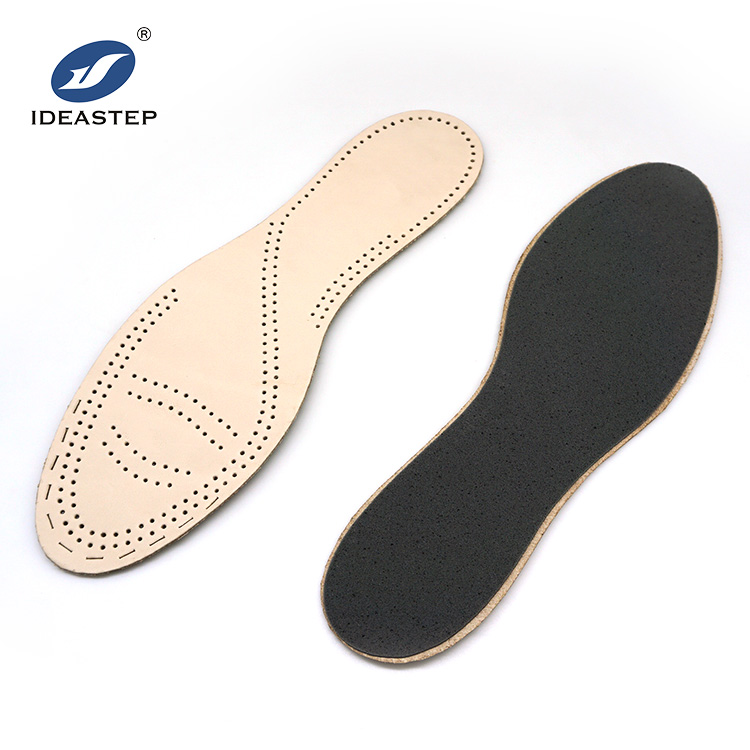
What Are Full Length Orthopaedic Insoles?
Full length orthotic insoles cover the entire foot, stretching from the heel all the way to the toe box. This is the industry standard choice for medical-grade orthopaedic shoes, rehabilitation footwear, and any functional shoe built for heavy-duty support.
Well-made full length composite orthopaedic insoles deliver full-foot support and evenly distribute body weight across the entire sole of the foot. For manufacturers, this means greater shoe stability, minimal heel slippage, and consistent correction for common foot issues like severe flat feet and overpronation — making them ideal for high-standard corrective footwear.
Key Benefits of Full Length Orthotic Insoles
1. Full Foot Stabilisation & Balanced Pressure Distribution
These full-coverage insoles support the heel, foot arch, metatarsal zone and forefoot all at once. By eliminating uneven pressure points across the foot, they offer superior comfort for prolonged standing and walking. That’s why medical orthopaedic shoe manufacturers rely on full-length insoles for consistent, trustworthy corrective performance.
2. Better Shoe Fitting & Reduced Movement
Since full length bulk orthotic insoles fit the complete base of a shoe, they stay securely in place without shifting, bunching or folding over time. This stable fit strengthens the overall structure of finished orthopaedic shoes and delivers reliable wearing stability for end consumers.
3. Suitable for Medical & Rehabilitation Footwear
Nearly all certified rehabilitation and post-surgical orthopaedic footwear requires full-length supportive insoles. If your factory produces therapeutic shoes or heavy-duty supportive orthotics, full-length composite insoles are the most reliable, industry-compliant choice.
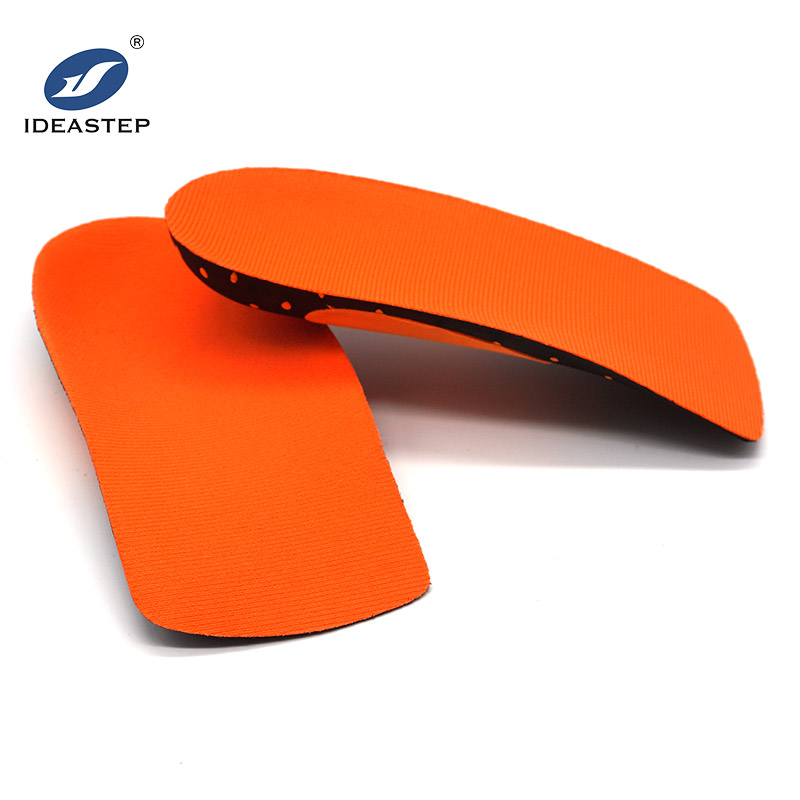
What Are 3/4 Length Orthotic Insoles?
3/4 length orthopaedic insoles only cover the heel, arch and metatarsal area, leaving the forefoot and toe section completely open. This streamlined design is incredibly popular with independent cobblers, custom shoemakers, and brands crafting lightweight orthopaedic footwear across the UK and Europe.
Unlike full-length options, 3/4 length orthotic insoles focus targeted support on the foot’s highest-pressure zones: the heel and arch. Lighter, thinner and more flexible, they work perfectly for low-profile shoes, formal orthopaedic styles, and everyday comfort footwear lines.
Key Benefits of 3/4 Length Orthopaedic Insoles
1. Lightweight & Flexible for Daily Footwear
Opting for three-quarter length orthotic insoles cuts down excess bulk inside shoes and avoids crowding the toe box. This preserves natural foot movement for wearers, drastically improving the everyday comfort of casual and daily-use orthopaedic shoes.
2. Ideal for Slim-Fit & Custom Shoes
Premium bespoke shoemakers and high-end orthopaedic workshops often favour 3/4 length insoles. Their slim profile fits seamlessly into sleek, low-volume shoe designs without altering the shoe’s original shape or compromising its overall fit.
3. Cost-Effective for Bulk Production
Bulk 3/4 length orthotic insoles use less raw material than full-length alternatives, helping manufacturers keep production costs low while retaining essential arch support and orthotic functionality. This makes them ideal for mass-produced comfort-focused orthopaedic shoe lines.
Side-by-Side Comparison: 3/4 Length vs Full Length Orthotic Insoles
To help footwear buyers and manufacturers make quick, informed sourcing decisions, we’ve broken down the core practical differences between the two insole styles, based on standard industry usage:
- Full Length Insoles: Best for medical correction, heavy support, rehabilitation shoes, maximum stability
- 3/4 Length Insoles: Best for daily comfort, slim footwear, lightweight orthotics, cost-effective bulk production
- Full Length: Higher support, stronger correction, full-foot pressure relief
- 3/4 Length: More flexible, lighter weight, better toe movement, lower material cost
How to Choose the Right Insole for Your Footwear Production
If your product lineup centres on medical orthopaedic shoes, corrective therapy footwear, or high-stability work orthotics, full length composite orthopaedic insoles are the safest, most professional choice to meet industry standards.
If you specialise in everyday comfort orthopaedic shoes, formal custom footwear, or lightweight supportive styles, 3/4 length orthotic insoles deliver a far better end-user experience and offer greater production flexibility.
Many established UK footwear factories stock both bulk insole types to cover all market demands, expand their product range, and stay competitive in the European orthopaedic footwear industry.
Final Thoughts
Both 3/4 length and full length orthotic insoles have irreplaceable roles in modern orthopaedic footwear manufacturing. Full-length insoles excel at delivering all-round stability and medical-grade support, while 3/4 length insoles offer unbeatable lightweight comfort and design flexibility for everyday and custom footwear.
Understanding these key differences lets shoemakers tailor their products to precise market needs, creating more practical, user-friendly orthopaedic shoes for every customer segment.
If you’re searching for a reliable supplier of wholesale 3/4 length and full length composite orthopaedic insoles, we offer custom cutting services and low MOQ bulk orders. Our professional OEM orthotic component solutions fully support all your footwear manufacturing projects.
Related Articles:
Composite Orthopaedic Insoles: A Complete Guide for Footwear Manufacturers
Top heat moldable arch supports suppliers for shoes maker