In orthopaedic footwear manufacturing, consistent component quality directly defines how reliable, comfortable, and market-ready a final shoe product is. For UK and European shoemakers and workshop owners, composite orthopaedic insoles have long been the go-to solution for stable, long-lasting orthotic footwear. Unlike basic single-layer foam or board insoles that compromise either support or comfort, composite constructions balance structural rigidity and cushioning performance, making them ideal for custom orthopaedic shoes, medical rehabilitation footwear, and premium everyday orthotic lines.
Buying the right wholesale composite orthopaedic insoles helps manufacturers cut production risks, reduce after-sales issues, and standardise their product quality. In this practical guide, we break down what composite orthotic insoles are, their real-world manufacturing benefits, common applications, and key sourcing advice for B2B footwear buyers and cobbler workshops.
What Are Composite Orthopaedic Insoles?
Composite orthopaedic insoles are multi-layer shoe inserts built by combining multiple functional materials. Most standard designs pair a sturdy base layer — typically fibreboard or leatherboard — with flexible, shock-absorbent layers such as EVA foam and soft textile cushioning. This layered build fixes the most common flaws of basic insoles: rigid single-board insoles feel stiff and uncomfortable for all-day wear, while pure foam insoles flatten easily and fail to deliver reliable foot support.
For orthopaedic footwear manufacturers, composite orthotic insoles are standardized yet customizable core components. They can be adjusted in thickness, hardness, and cushioning performance according to different shoe types and orthotic correction needs, fully meeting the personalized production requirements of medical-grade and custom orthopaedic footwear.
Key Benefits of Composite Orthopaedic Insoles for Footwear Production
1. Superior Structural Stability & Support
One of the biggest advantages of using bulk composite orthopaedic insoles is their consistent structural support. The reinforced base layer firmly stabilises the foot arch and heel, correcting improper foot posture without deforming over repeated use. For manufacturers producing medical orthopaedic shoes and functional orthotic footwear, this reliable support is non-negotiable — it ensures every pair meets basic corrective and safety standards for end users.
2. Balanced Shock Absorption & Comfort
Composite insole structures solve the classic trade-off between support and comfort. The integrated EVA foam and cushioning layers ease foot pressure during standing and walking, delivering a far better wearing experience than hard solid board insoles. At the same time, the rigid base prevents over-compression, a common issue with soft foam-only insoles that lose shape and support quickly. This balanced performance makes composite orthotic insoles dependable for daily and long-term orthopaedic use.
3. High Customization Compatibility
Trusted wholesale composite orthopaedic insoles support flexible, project-based customization to fit diverse manufacturing needs. Manufacturers can adjust overall thickness, add targeted local reinforcement, modify surface texture, or request functional upgrades including heat moldability and anti-slip treatment. Whether you produce entry-level mass orthopaedic shoes or high-end bespoke orthotic footwear, custom composite insoles can match your exact product positioning.
4. Durable & Cost-Effective for Mass Production
For footwear factories and independent cobbler workshops, durability and cost efficiency are always top priorities. Premium composite orthopaedic insoles resist compression, abrasion, and permanent deformation, extending the service life of finished shoes significantly. When purchased in bulk, these insoles deliver stable batch quality and lower long-term production costs, making them a cost-effective choice for continuous mass production and regular restocking.
Main Application Scenarios of Composite Orthotic Insoles
Thanks to their versatile performance, composite orthopaedic insoles are widely adopted in high-spec orthopaedic footwear lines — covering the core market demands of UK and European footwear component suppliers:
- Medical-grade corrective orthopaedic shoes for flat feet, high arches, and foot fatigue relief
- Rehabilitation orthotic footwear for foot injury recovery and postoperative care
- Premium custom bespoke shoes handmade by professional cobbler workshops
- Comfort functional shoes for long-time standing and walking workers
Professional Sourcing Tips for Wholesale Composite Orthopaedic Insoles
When sourcing composite orthopaedic insoles for long-term production, professional manufacturers prioritise three key factors: stable batch quality, flexible customization, and supplier reliability. Choosing the right bulk supplier directly impacts your finished shoe performance, product consistency, and overall production efficiency.
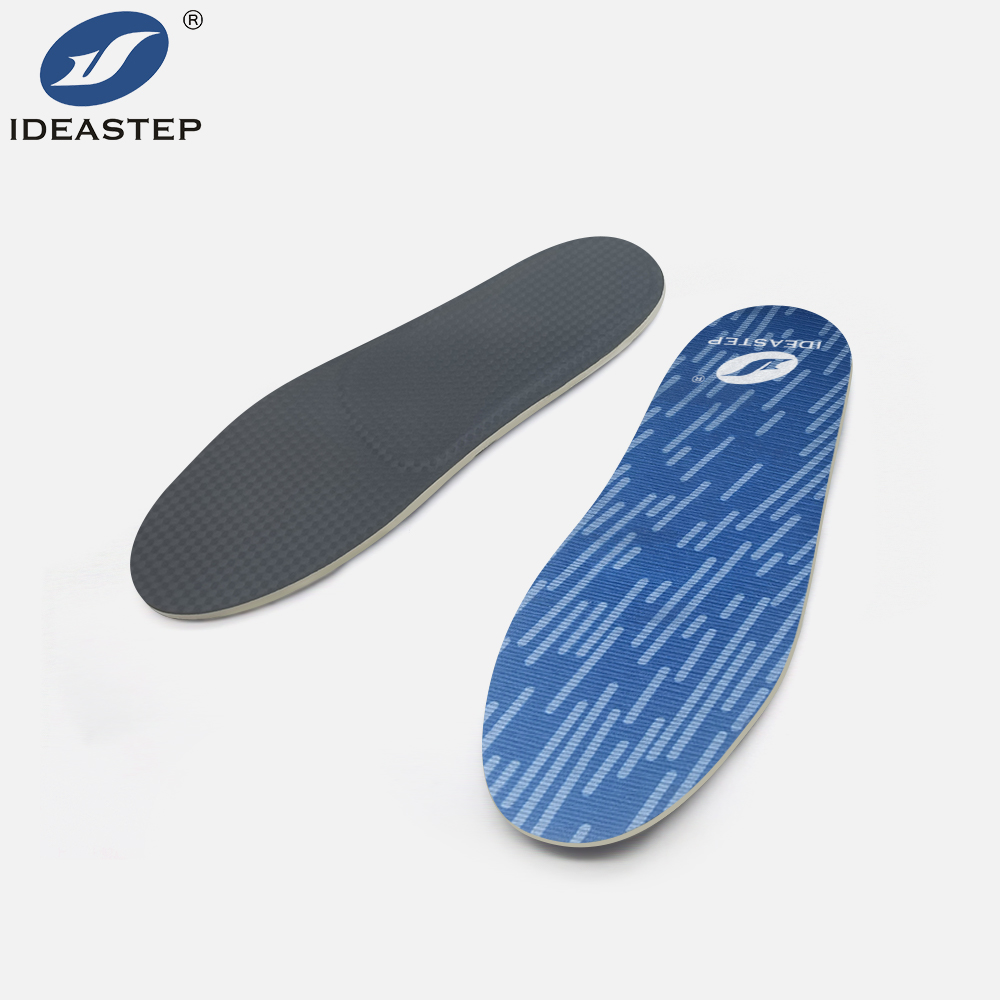
First, always verify the supplier’s composite bonding craftsmanship. Well-made composite orthotic insoles feature tight layer adhesion that avoids peeling or delamination after long-term wear. Consistent material lamination is the foundation of stable finished footwear quality, especially for medical and corrective shoe lines.
Second, partner with suppliers that offer low MOQ bulk supply and custom cutting services. Most small-to-medium orthopaedic footwear brands and handmade cobbler workshops do not require huge one-time orders. Flexible order volumes and bespoke size cutting help manufacturers reduce inventory pressure and support small-batch trial production.
Finally, work with suppliers familiar with UK and European orthopaedic footwear standards. Suppliers with rich local industry experience can provide components that fit regional market requirements perfectly, helping you shorten product development cycles and launch qualified orthotic footwear faster.
Final Thoughts
Composite orthopaedic insoles have become a standard essential in modern orthopaedic footwear manufacturing, striking the perfect balance of structural support, wearing comfort, and customizability. No matter if you run large-scale functional shoe production or focus on high-end custom handmade orthotic footwear, premium bulk composite orthopaedic insoles will greatly improve your product stability and market competitiveness.
If you’re searching for dependable wholesale composite orthopaedic insoles with flexible sizing, customizable materials, and low minimum order quantities, our professional OEM and ODM footwear component services can fully support your orthopaedic footwear production projects.
Related Reading:
Customizable Insoles for Daily Walking with Heat Moldable Cushioning Support
3D Printed Insoles for Footwear Brands: Breathable TPU Comfort Solutions