Introduction
Orthotic labs, footwear makers and foot care suppliers rely on low density EVA foam. It is a key raw material for comfort orthotic insoles and layered shoe inserts.
High-density EVA delivers firm structural support. Low density EVA foam stays lightweight and soft. It creates gentle cushioning for products focused on pressure relief.
Many bulk buyers face recurring sourcing issues. Foam softness may shift between batches. Compression recovery can be poor. Cell structure often lacks uniformity. Low-grade foam flattens quickly after use. It raises customer complaints and hurts brand reputation.
This B2B sourcing guide covers industrial low density EVA foam. It explains material traits, orthotic uses, quality checks and risk avoidance. It helps manufacturers select materials, stabilize output and build reliable supply chains.
Core Material Characteristics of Industrial-Grade Low Density EVA Foam
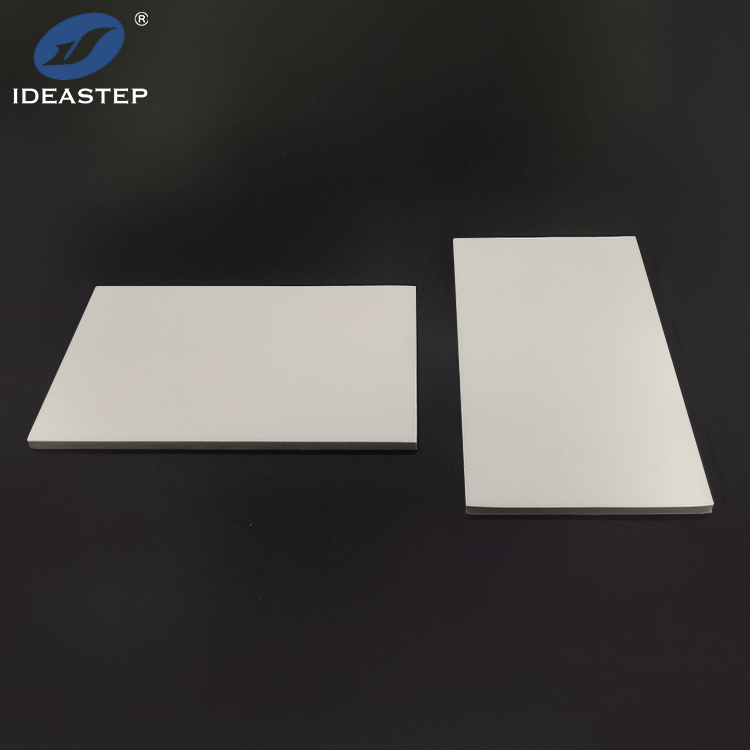
Quality wholesale low density EVA foam uses virgin closed-cell foaming. It performs far better than cheap recycled foam blends.
Its main benefit is balanced lightweight and flexible cushioning. It does not have the stiff feel of medium or high density EVA.
A uniform dense cell structure spreads foot pressure evenly. It eases fatigue from long walking or standing. Low density EVA also absorbs little moisture and resists aging. Sweat will not make it hard or shrink over time.
The material works with common insole production steps. These include die cutting, CNC trimming, surface lamination and mild thermoforming. It cuts cleanly and keeps scrap rates low for mass production.
Note its limits. Low density EVA foam is soft and flexible. It works best as comfort buffer layers, not the main support base for corrective orthotics.
Main Applications of Low Density EVA Foam in Orthotic Insole Production
Low density EVA foam fills unique roles for comfort and medical orthotic lines. It serves both clinic custom work and retail bulk sales.
Comfort Cushioning Top Layer for Prefabricated Orthotics
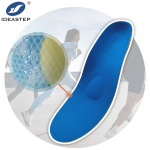
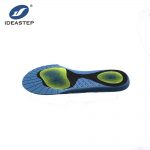
Most prefabricated orthotics use a two-layer design. A firm base sits below and a soft layer sits on top. Low density EVA foam makes the ideal top layer. It reduces the hard feel of the base material and improves foot fit.
Soft Inserts for Sensitive Foot Crowds
It fits mild foot care products and orthotic inserts for sensitive or diabetic feet. The soft material avoids pressure and friction damage. It delivers gentle protection for vulnerable feet.
Multi-Layer Composite Insole Raw Material
Many orthotic factories laminate low density EVA with high-density substrates. The finished insoles balance structural support and comfort. This expands product ranges and boosts market competitiveness.
Local Pressure Relief Pads
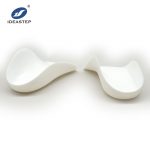
Fabricators cut it into separate heel, forefoot or metatarsal pads. These pads disperse local foot pressure. They pair well with medical foot care retail products.
Key Quality Standards for Bulk Low Density EVA Foam Sourcing
Material stability directly controls orthotic insole quality. Bulk buyers must check these core indicators to avoid risk.
Stable compression recovery: Good low density EVA rebounds quickly after heavy load. It will not permanently flatten or collapse. This extends the usable life of finished insoles.
Uniform cell structure: No hollow pores, bubble clusters or uneven foaming. A consistent internal structure keeps softness and cushioning steady across every cut piece.
Pure raw material formula: Virgin industrial foam has no strong odour or harmful leaching. It meets export environmental rules and medical auxiliary standards. It suits both clinic and retail sales.
Strict batch consistency: Every batch must match on density, softness, colour and thickness. Variation creates inconsistent finished goods and hurts brand sales.
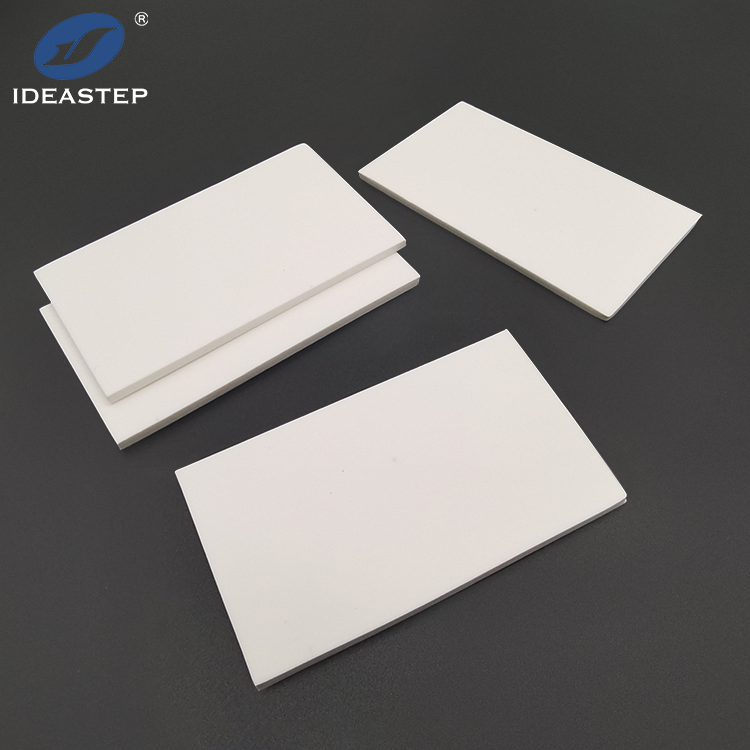
Common Bulk Sourcing Risks & Avoidance Strategies
Parameter mislabeling is the biggest problem for low density EVA foam. Some suppliers sell medium-density foam marked as low density. The finished insoles feel too firm and lose comfort.
Recycled low density EVA ages unpredictably. It may feel soft at first but quickly loses elasticity. This leads to high return rates. Batch colour variation and surface stains are also common defects.
B2B manufacturers can reduce risk with simple steps. Lock all material specs before placing orders. Confirm pre-production samples. Ask suppliers for material test reports and batch certificates. Ensure bulk goods match your master sample exactly.
Customization & Bulk Supply Solutions for Manufacturers
We provide full custom bulk supply of low density EVA foam. Our service fits the unique production needs of orthotic and footwear manufacturers.
We offer custom thickness, colour and sheet slitting. Surface options include anti-slip texture and adhesive backing. We also print logos and batch labels for private label brands.
Our flexible MOQs support small trial runs and large long-term orders. We inspect every shipment before dispatch. Stable batch quality lowers factory scrap and reduces after-sales pressure.
Conclusion
Low density EVA foam is essential for comfortable orthotic insoles and multi-layer shoe inserts. It delivers soft cushioning, light weight and easy processing. Orthotic labs and footwear brands use it to upgrade comfort product lines.
Stable material quality and reliable bulk supply drive long-term product competitiveness. Working with professional industrial foam suppliers cuts procurement risk and improves production returns.
If you need consistent low density EVA foam for orthotic bulk production, contact our team. Request free material samples, test reports and your custom bulk wholesale quote.
Related product links: https://www.aideastep.com/product/ideastep-a-high-durability-low-density-eva-sheet-for-outsoles-premium-lightweight-performance-material/.