For brands, distributors, and wholesale buyers, selecting the right metatarsal support insoles requires more than choosing a product with a metatarsal pad. The overall design, material combination, support structure, and compatibility with different footwear all influence the final product performance.
Whether you are developing a private-label insole line, expanding an existing footwear collection, or sourcing custom orthotic products, understanding the key design factors can help you make better decisions before sampling and bulk production.
1. Understanding Metatarsal Support Insole Design
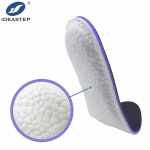
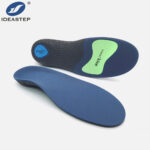
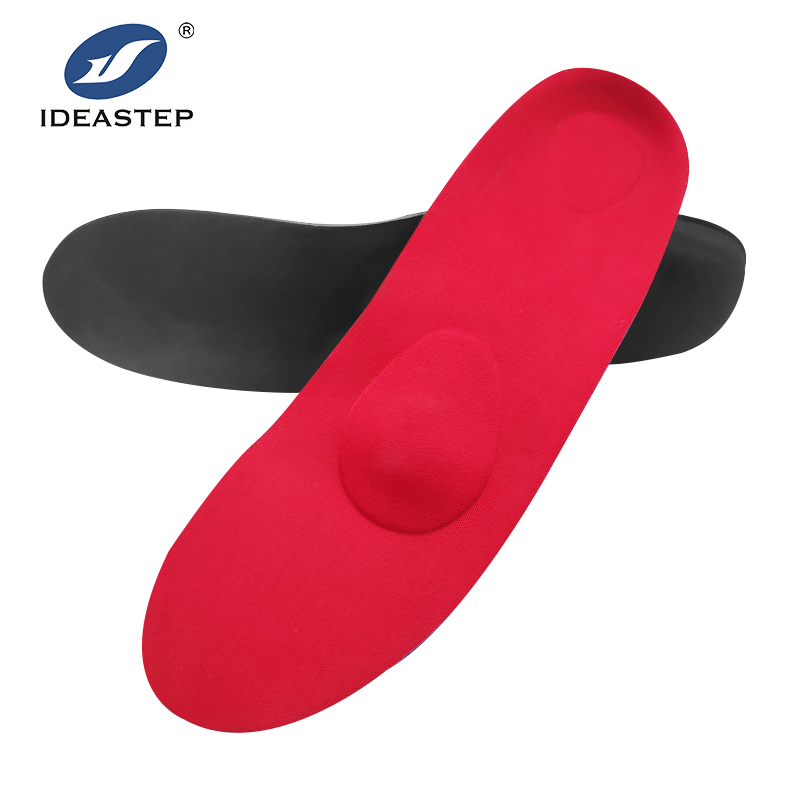
Metatarsal support insoles are designed with a raised support area in the forefoot region. This structure is typically combined with cushioning materials and supporting layers to create a more balanced insole construction.
However, the metatarsal area is only one part of the overall design. A successful product also depends on the relationship between the forefoot, arch, heel, and base layers.
For B2B buyers, the key is not simply adding a metatarsal pad, but creating a structure that matches the target footwear, market positioning, and intended use.
2. Key Factors in Metatarsal Support Insoles
Metatarsal Pad Position and Shape
The position, height, width, and contour of the metatarsal support area directly affect the overall feel of the insole.
During product development, this area should be evaluated together with the arch profile and footwear space. A design that works for one shoe type may require adjustment for another.
Forefoot Thickness and Flexibility
The forefoot needs a balance between cushioning and flexibility. If the structure is too thick, it may reduce available space inside the shoe. If it is too soft, it may not provide the intended product characteristics.
For walking shoes, casual footwear, and work shoes, the ideal forefoot design may vary depending on the target market.
Arch and Heel Integration
Metatarsal support is usually part of a complete insole system. The arch profile, heel cup, and base construction also influence the overall fit and support characteristics.
For custom projects, these elements should be developed together instead of treating the metatarsal area as an independent component.
3. Common Materials Used for Metatarsal Support Insoles
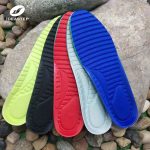
Material selection plays an important role in determining cushioning, flexibility, durability, weight, and production cost.
| Material | Role in Insole Construction |
|---|---|
| EVA | Lightweight cushioning layer and base material |
| TPU | Structural reinforcement and support components |
| PORON | Additional cushioning in selected areas |
| PU | Flexible cushioning and comfort layer |
| Memory Foam | Soft cushioning and surface comfort |
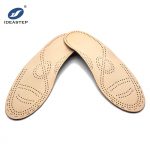
| Fabric | Top cover for surface feel and appearance |
Many commercial designs use multiple materials instead of a single layer. For example, an EVA base combined with a TPU support element and fabric top cover can provide a better balance between structure, cushioning, and cost.
4. Choosing the Right Structure for Different Applications
The ideal metatarsal support insoles design depends on where and how the product will be used.
Walking and Everyday Footwear
Walking insoles usually require a combination of lightweight cushioning, moderate support, and flexibility. The structure should also fit common shoe designs without creating excessive thickness.
Work and Safety Footwear
Work shoes often have limited internal space. Buyers should consider durability, thickness control, and compatibility with existing footwear designs.
Sports Footwear
Sports applications may require lighter constructions and more flexible materials. The support profile should match the movement requirements of the target activity.
Defining the target footwear category early helps manufacturers create a more suitable product specification.
5. Footwear Compatibility Should Be Considered Early
A well-designed insole must work inside the intended shoe. Thickness, heel height, arch profile, and forefoot volume all affect the final fit.
Before development, B2B buyers should provide information such as:
- Target footwear type
- Size range
- Available shoe space
- Original insole dimensions
- Expected product thickness
Testing samples in actual footwear is one of the most effective ways to identify design adjustments before mass production.
6. OEM and ODM Options for Metatarsal Support Insoles
For brands developing custom products, both OEM and ODM cooperation models are available.
OEM is suitable when buyers already have a clear product specification, drawing, sample, or material requirement. The manufacturer focuses on producing the product according to the approved design.
ODM provides more development support. The manufacturer can assist with structure optimization, material selection, prototype development, and production planning based on the buyer’s product concept.
The right model depends on the buyer’s internal resources, customization needs, and product development goals.
7. What B2B Buyers Should Confirm Before Ordering
Before moving from sampling to bulk production, buyers should confirm the following details:
- Metatarsal support structure
- Material specifications
- Hardness and thickness
- Size range
- Footwear compatibility
- Top-cover material
- Branding requirements
- Packaging details
A clear product specification helps maintain consistency between approved samples and production batches.
8. Sampling and Quality Control Process
The sample stage is an important step before large-volume production. Buyers should evaluate more than appearance.
Important inspection points include:
- Metatarsal pad position and shape
- Arch and heel structure
- Material bonding
- Overall thickness
- Flexibility
- Surface finish
- Fit inside the target footwear
Clear quality standards allow manufacturers to reproduce the approved design more efficiently during production.
9. How to Prepare a Metatarsal Support Insoles RFQ
A detailed RFQ helps suppliers understand the project requirements and provide accurate feedback.
Useful information includes:
- Product application
- Target footwear
- Required sizes
- Support requirements
- Preferred materials
- Thickness requirements
- Logo and packaging specifications
- Estimated order quantity
Providing samples, drawings, or reference products can also improve communication and shorten the development process.
10. Selecting the Right Manufacturing Partner
For B2B sourcing, supplier selection should go beyond product price. Important factors include manufacturing experience, customization capability, material knowledge, production capacity, quality control, MOQ, and communication efficiency.
A supplier with experience in different insole structures and materials can provide more flexibility when developing products for different markets.
Ideastep provides custom insole development and bulk manufacturing services for wholesalers, distributors, footwear brands, and OEM/ODM customers, including material selection, structural customization, sampling, and production support.
Conclusion
Metatarsal support insoles are not defined by a single support element. A successful product requires the right combination of structure, materials, footwear compatibility, and manufacturing quality.
For B2B buyers, defining product requirements clearly before sampling can improve development efficiency, reduce revisions, and create a more reliable foundation for long-term supply partnerships.
Related Articles:
Metatarsal Support Insoles: Custom Foot Care Solutions for Brands and Distributors
Metatarsal Support Insoles OEM Manufacturer for Custom and Bulk Orders