Developing effective Metatarsal Support Insoles requires more than adding a forefoot support pad. The position of the support area, material selection, cushioning structure, and footwear compatibility all influence the final product performance.
For footwear brands, foot care companies, and distributors, a successful insole product needs to combine user comfort with reliable manufacturing quality. This means choosing suitable materials, optimizing the design, and ensuring the product can be produced consistently at scale.
Ideastep specializes in custom orthotic and functional insole manufacturing, helping global partners develop metatarsal support solutions from initial concepts and prototypes to OEM and ODM production.
What Are Metatarsal Support Insoles?
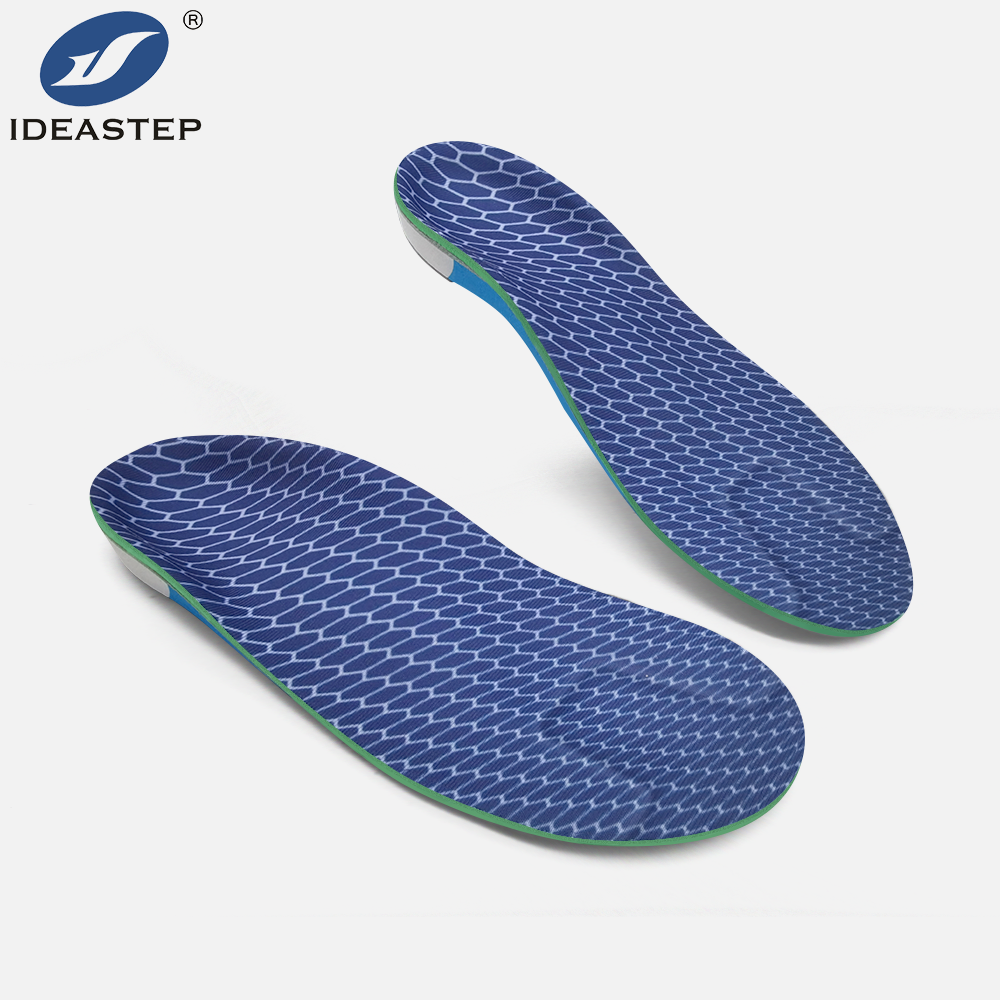
Metatarsal Support Insoles are functional insoles designed with a specific support structure in the forefoot area to improve pressure distribution and enhance overall wearing comfort.
The metatarsal support area is usually positioned behind the metatarsal heads. During product development, manufacturers evaluate the support location, height, and shape to achieve a balanced fit inside different footwear styles.
Key design factors include:
- Forefoot support structure
- Cushioning performance
- Material flexibility
- Footwear compatibility
How Metatarsal Support Insoles Are Designed
The performance of a metatarsal support insole depends on how different structural elements work together. Experienced manufacturers focus on balancing support, cushioning, and wearing comfort throughout the development process.
Support Position and Structure
The location and shape of the metatarsal support area directly affect the overall user experience.
During development, engineers consider:
- Support placement
- Support height
- Footwear internal space
- Target application
A design suitable for athletic footwear may require a different structure compared with work shoes or casual footwear.
Pressure Distribution and Cushioning Balance
A well-designed insole should provide support without creating excessive stiffness. Manufacturers adjust support geometry, foam layers, and material density to create a more balanced pressure distribution.
The combination of cushioning materials and structural support helps create a better wearing experience for different applications.
Support and Comfort Optimization
Finding the right balance between support and softness is critical in insole development. Material hardness, foam density, and layer structure all influence the final performance.
Through prototype testing and adjustments, manufacturers can optimize the design according to customer requirements.
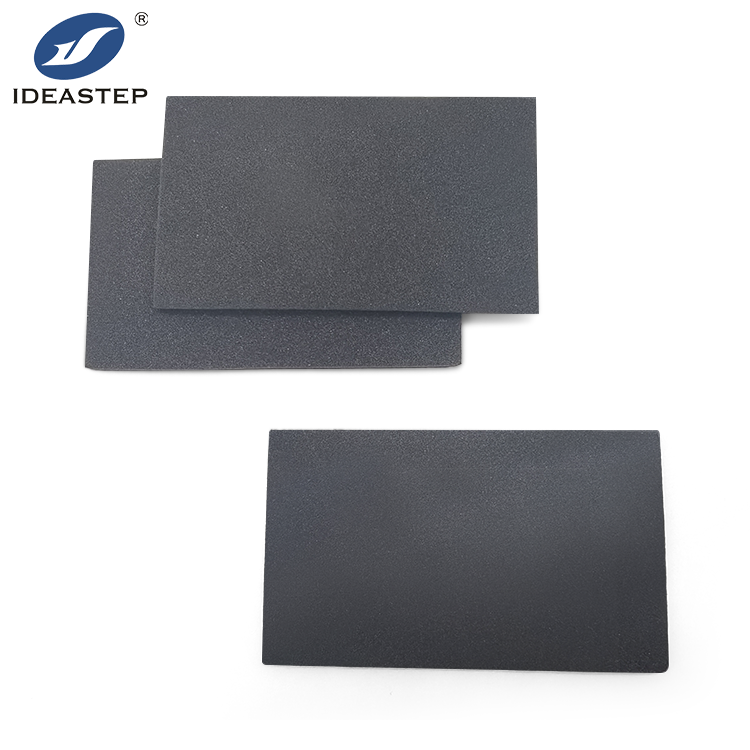
Materials Used in Metatarsal Support Insoles
Material selection plays an important role in determining the comfort, durability, and cost of metatarsal support insoles. Different materials provide different performance characteristics, allowing manufacturers to develop solutions for various markets.
EVA Foam
EVA is one of the most commonly selected materials for metatarsal support insoles because its hardness, density, and cushioning properties can be adjusted according to product requirements.
By optimizing EVA performance, manufacturers can develop insoles with different levels of flexibility, support, and durability for sports shoes, work footwear, and everyday footwear.
Memory Foam
Memory foam is often used in comfort-oriented insole designs because it provides a softer underfoot feeling and adapts well to changing pressure during use.
For commercial production, memory foam is commonly combined with support layers to improve overall stability and product lifespan.
Multi-Layer Material Structures
Many functional insoles use multi-layer construction to combine different material advantages.
A typical structure may include:
- Comfort top layer
- Cushioning foam layer
- Support base layer
This approach allows manufacturers to customize performance according to footwear type and market positioning.
Key Factors in Custom Insole Development
Custom metatarsal support insoles require careful planning before production. Manufacturers evaluate the product application, target market, and performance expectations before finalizing the design.
Footwear Application
Different footwear categories require different insole solutions:
- Work footwear: Focuses on durability and long-term support.
- Sports footwear: Requires flexibility, lightweight construction, and cushioning performance.
- Casual footwear: Prioritizes comfort, fitting, and daily usability.
Material Selection and Thickness Design
Material combinations and thickness need to be optimized together. A suitable design should provide functional support while maintaining proper shoe fitting.
Manufacturers usually evaluate:
- Material hardness
- Foam density
- Overall thickness
- Footwear space limitations
OEM Process from Prototype to Mass Production
For brands developing custom metatarsal support insoles, a structured OEM process helps transform product ideas into stable commercial products.
Step 1: Product Requirement Analysis
The development team reviews:
- Target market
- Footwear category
- Performance requirements
- Material preferences
Step 2: Prototype Development
Based on the product requirements, manufacturers create prototypes and evaluate:
- Structure design
- Material combination
- Footwear fitting
- Comfort performance
Sample evaluation may include design adjustments, material changes, and production feasibility reviews before final approval.
Step 3: Mass Production Optimization
After prototype approval, production processes are optimized to maintain consistent quality during bulk manufacturing.
Material inspection, process control, and quality management are essential for reliable OEM cooperation.
Custom Metatarsal Support Insoles for Brands
For footwear brands and distributors, customization provides flexibility to create differentiated products for specific markets.
Manufacturers can support customization in areas such as:
- Metatarsal support structure
- Arch support design
- Cushioning layers
- Material combinations
- Logo and packaging solutions
With private label and OEM support, companies can develop their own insole product lines without building internal manufacturing capabilities.
Choosing the Right Metatarsal Support Insole Manufacturer
Selecting the right supplier is an important step for companies planning long-term product development.
When evaluating a manufacturing partner, brands usually consider:
- Development experience: Ability to provide professional recommendations for materials and structures.
- OEM capability: Support from prototype development to bulk production.
- Quality consistency: Stable manufacturing processes for large-volume orders.
- Customization flexibility: Ability to adapt products according to market needs.
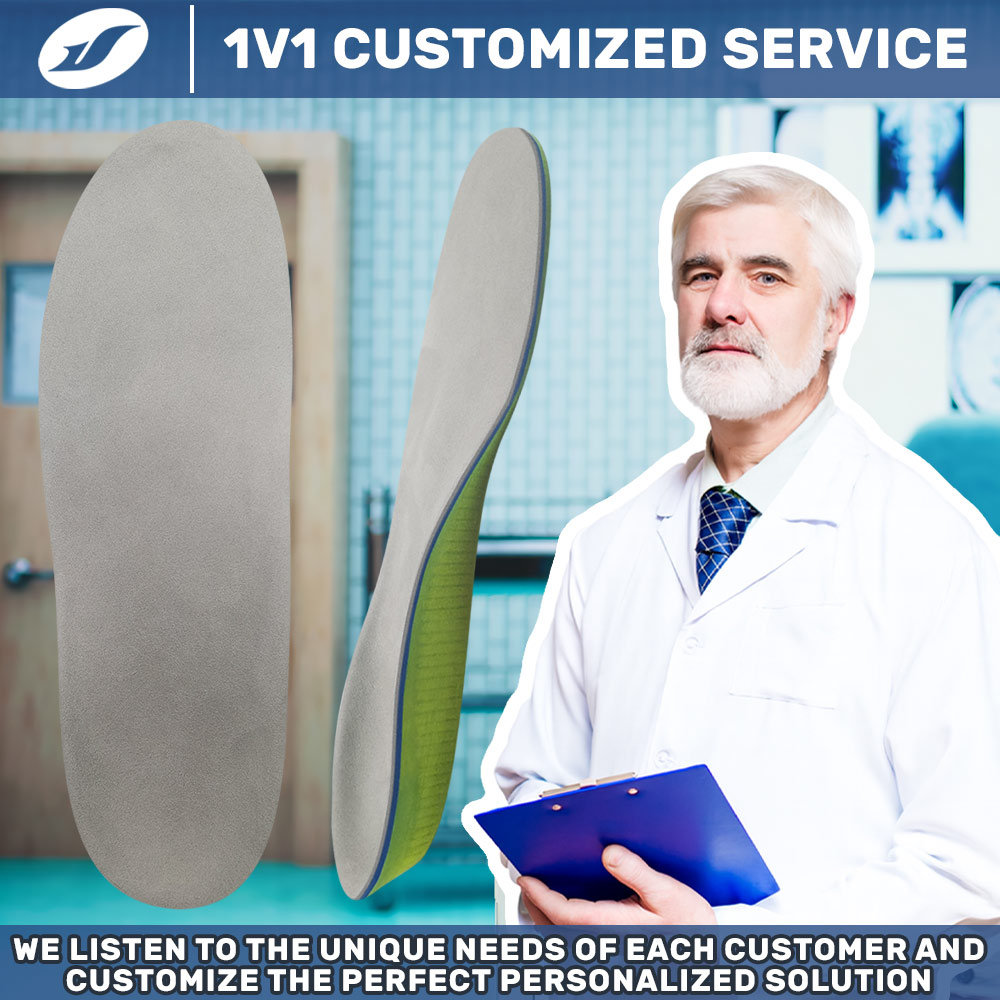
Ideastep Custom Metatarsal Support Insole Manufacturing Capability
Ideastep provides custom orthotic and functional insole manufacturing solutions for footwear brands, distributors, and foot care companies worldwide.
Combining orthotic expertise with EVA material technology, Ideastep supports customers with:
- Custom metatarsal support insoles
- Orthotic insole development
- EVA foam insole solutions
- OEM and ODM manufacturing
- Private label services
Our development team works closely with customers to optimize materials, structures, and production processes based on different footwear applications.
Conclusion
High-quality Metatarsal Support Insoles are developed through precise structure design, suitable material selection, and reliable manufacturing experience.
For brands looking to expand their foot care product range, partnering with an experienced insole manufacturer provides the technical support and production capability needed to create competitive products.
Related Reading:
Metatarsal Inserts for Shoes Manufacturer: Custom Orthotic Solutions for Wholesale Buyers
Orthotic with Metatarsal Pad Manufacturer for Custom Insole Solutions and Private Label Projects