Introduction: Why Breathability Matters in Insoles
Cushioning and support are important factors in footwear comfort, but heat and moisture control also influence the overall wearing experience. For sports footwear, work shoes, and everyday footwear, poor ventilation inside the shoe can reduce comfort during extended use.
Breathable insoles are designed to improve airflow, manage moisture, and create a more comfortable environment inside footwear. By combining breathable materials, ventilation structures, and functional cushioning layers, these insoles provide a practical solution for brands looking to develop more comfortable footwear products.
For footwear manufacturers, sports brands, and distributors, breathable insole development also creates opportunities for product differentiation through material selection and customized design.
What Are Breathable Insoles?
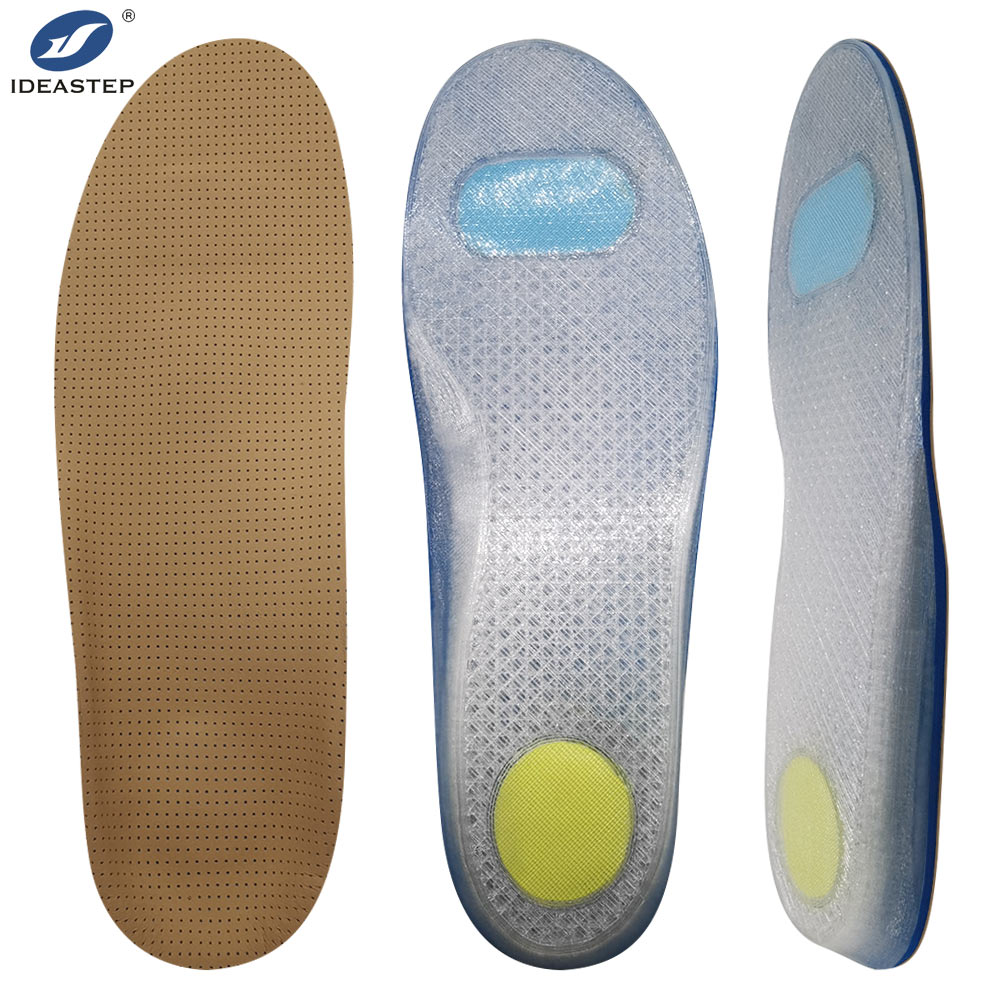
Breathable insoles are shoe inserts designed with ventilation-friendly materials and structures that improve air circulation and moisture management inside footwear.
Unlike standard insoles that mainly focus on cushioning, breathable designs consider multiple performance factors, including:
- Air permeability
- Moisture control
- Cushioning performance
- Material flexibility
- Long-term durability
Common materials and structures used in breathable insoles include:
- EVA foam
- Mesh fabric layers
- Moisture-wicking textiles
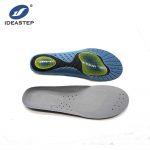
- Perforated foam structures
These components work together to improve ventilation while maintaining necessary support and cushioning performance.
Key Features of High-Quality Breathable Insoles
Breathable Materials and Ventilation Design
Material selection directly affects the airflow performance of an insole.
High-quality breathable insoles often combine:
- Open-cell foam structures
- Mesh fabric top layers
- Perforated cushioning layers
- Lightweight composite materials
These designs help improve air circulation inside footwear while maintaining the required cushioning and support.
Moisture Control Performance
Moisture management is especially important for sports footwear, work shoes, and warm-weather applications.
Breathable insole designs may include:
- Quick-drying fabric covers
- Moisture-wicking materials
- Absorbent surface layers
- Ventilation channels
These features help reduce moisture accumulation and improve the overall wearing experience.
Comfort and Support Balance
Breathability alone is not enough for a high-performance insole. A well-designed product needs to maintain support, cushioning, and stability.
Depending on the application, breathable insoles can integrate:
- Arch support structures
- Shock-absorbing foam layers
- Flexible cushioning materials
- Heel stabilization designs
This balance allows brands to develop products suitable for different footwear categories.
Materials Used in Breathable Insoles
EVA Foam
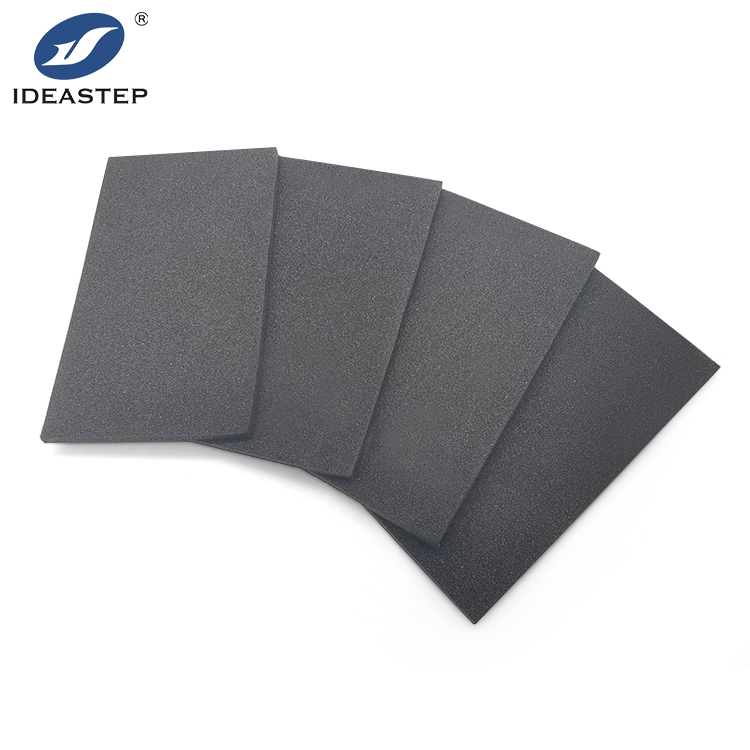
EVA foam is widely used in insole manufacturing because of its lightweight cushioning, flexibility, and customization advantages.
In breathable insole applications, EVA can be combined with fabric covers or ventilation structures to provide:
- Lightweight cushioning
- Shock absorption
- Flexible performance
- Easy customization
EVA-based solutions are commonly used in sports footwear, casual shoes, and comfort-focused footwear products.
Breathable Fabric Top Layers
The top layer directly contacts the foot, making fabric selection important for overall product performance.
Common options include:
- Mesh fabrics
- Microfiber materials
- Moisture-wicking textiles
These materials improve surface comfort and help manage moisture during daily use or athletic activities.
Ventilation Structures
Modern insole designs can incorporate structural features to improve airflow.
Common solutions include:
- Air holes
- Ventilation channels
- Lightweight internal patterns
These structures help improve breathability while maintaining the functional properties of the insole.
Applications of Breathable Insoles
Sports Footwear
Sports brands require insoles that can handle movement, sweat, and extended activity.
Breathable sports insoles are suitable for:
- Running shoes
- Training footwear
- Fitness shoes
- Outdoor footwear
The combination of ventilation, cushioning, and lightweight construction helps improve product performance.
Work and Safety Footwear
Workers who stand or walk for long periods often require footwear with better moisture management and comfort features.
Breathable insoles can be developed for:
- Safety shoes
- Industrial footwear
- Work boots
Casual and Lifestyle Footwear
Comfort-focused footwear brands increasingly use breathable materials to improve everyday wearing experiences.
Applications include:
- Sneakers
- Walking shoes
- Travel footwear
- Lifestyle footwear products
Developing Custom Breathable Insoles for Brands
For footwear companies and distributors, breathable insoles can become a valuable product feature through customized development.
A professional manufacturer can support:
- Material selection
- Custom thickness design
- Fabric and foam combinations
- Logo customization
- Private label production
When developing breathable insoles, brands should consider:
- Target footwear category
- Required support level
- Material performance
- Production scalability
A customized approach helps businesses create products that match specific market requirements.
How to Choose a Breathable Insole Manufacturer?
Selecting the right manufacturing partner is important for ensuring product consistency and long-term cooperation.
Material and Design Capability
Buyers should evaluate a supplier’s experience in:
- EVA foam processing
- Fabric lamination
- Ventilation design
- Cushioning structure development
Strong material knowledge allows manufacturers to create breathable insoles with balanced performance.
Customization Support
For brands and wholesalers, flexible product development is essential.
A capable supplier should provide:
- Custom design solutions
- Material combinations
- Size range development
- Private label support
This enables companies to create unique products for different markets.
Production Quality and Reliability
Before starting cooperation, buyers should consider:
- Manufacturing experience
- Production capacity
- Quality inspection procedures
- Delivery reliability
Stable production capability helps maintain consistent product quality across large orders.
Choosing the Right Breathable Insole Manufacturing Partner
Breathable insoles combine ventilation, moisture management, and cushioning performance to meet the needs of modern footwear products.
For footwear brands, sports companies, and distributors, developing customized breathable insole solutions can help improve product differentiation and market competitiveness.
Selecting a manufacturer with strong material expertise, customization capability, and reliable production processes allows businesses to create breathable insoles that meet different footwear requirements.
Whether you are developing sports footwear, casual shoes, or private label insole products, our team can support customized breathable insole development from design to production.
Related product links: https://www.aideastep.com/product/3d-2-advanced-3d-printed-orthotic-insole-ergonomic-lightweight-durable/.