Introduction: Advanced Manufacturing for Customized Insoles
The demand for personalized footwear solutions is growing among orthotic companies, footwear brands, and medical suppliers. Traditional insole manufacturing methods often require molds and manual adjustments, which can limit customization and increase development costs.
3D printed shoe insoles provide a more flexible solution by combining digital design, foot data analysis, and additive manufacturing technology. This allows manufacturers to develop customized orthotic products with precise structures, faster development cycles, and flexible production options.
For B2B buyers, 3D printing creates new opportunities for private label products, premium footwear lines, and customized orthotic solutions.
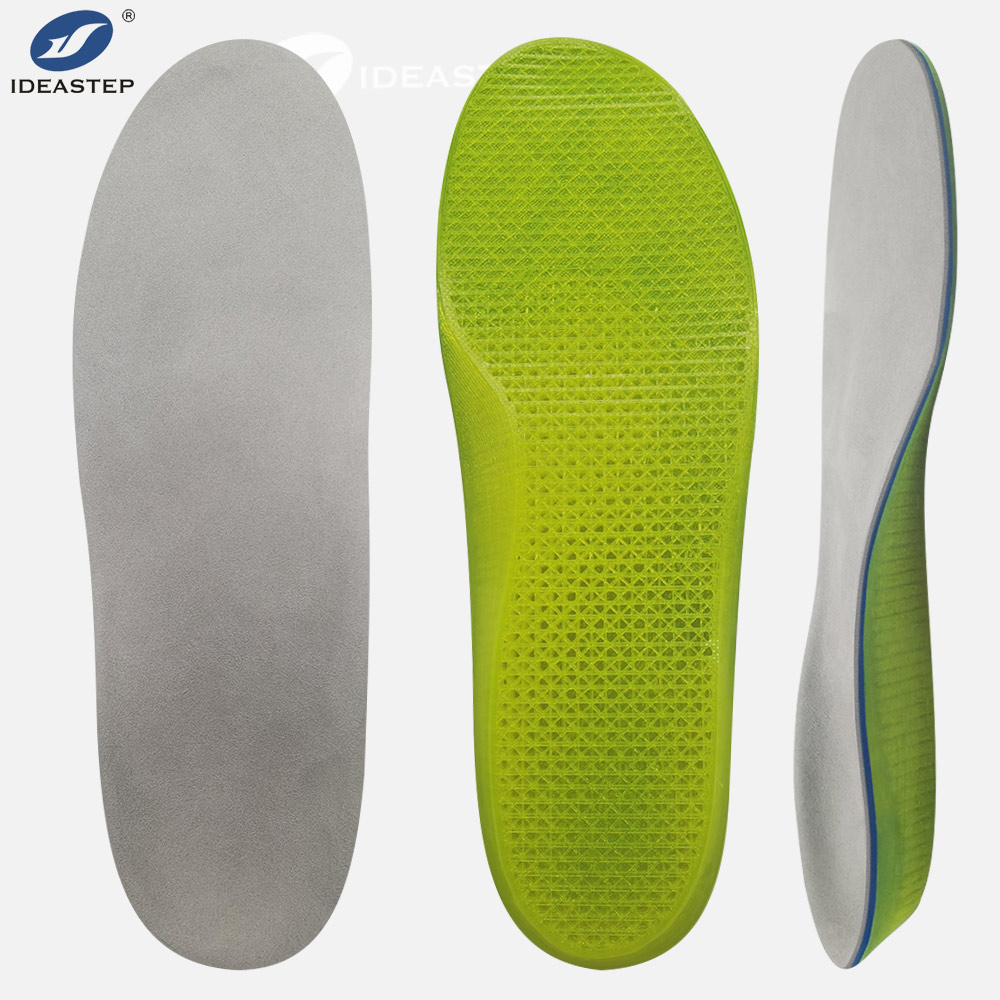
What Are 3D Printed Shoe Insoles?
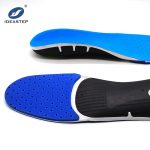
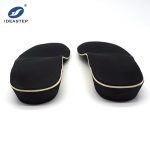
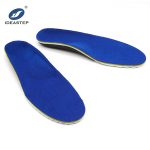
3D printed shoe insoles are customized insoles produced using additive manufacturing technology. The design is created digitally and printed layer by layer based on foot scans, pressure analysis, or specific functional requirements.
Compared with traditional insoles, 3D printing enables manufacturers to customize:
- Arch support structure
- Cushioning areas
- Material density
- Flexibility and stability
This makes them suitable for applications requiring higher levels of personalization and performance.
Key Benefits of 3D Printed Insoles for B2B Buyers
1. Custom Design Without Traditional Tooling
One of the biggest advantages of 3D printed orthotic insoles is design flexibility.
Manufacturers can adjust the structure according to different requirements, including:
- Foot shape
- Support level
- Pressure distribution
- Usage scenarios
For brands and distributors, this makes it easier to develop differentiated products without investing in complex tooling.
2. Flexible OEM and Private Label Production
3D printing supports efficient product customization for businesses.
B2B buyers can benefit from:
- Custom insole structures
- Material selection support
- Logo and packaging customization
- Product development assistance
- Small batch testing before mass production
This is especially valuable for companies entering premium orthotic and customized footwear markets.
3. Lightweight and Functional Performance
Advanced 3D structures allow manufacturers to optimize weight, cushioning, and support.
Depending on the design, 3D printed insoles can provide:
- Lightweight construction
- Targeted cushioning
- Improved support distribution
- Enhanced wearing comfort
These advantages make them suitable for medical, sports, and performance footwear applications.
How Are 3D Printed Insoles Manufactured?
A professional manufacturing process usually includes four key steps:
1. Digital Data Collection
Foot scans, measurements, or pressure analysis are collected to create accurate design parameters.
2. 3D Design Development
Engineers create customized CAD models and optimize the support structure according to application requirements.
3. Additive Manufacturing
The approved design is produced using advanced 3D printing technology and materials such as TPU and flexible polymers.
4. Quality Inspection
Finished products are checked for dimensions, structure consistency, and performance before shipment.
For B2B projects, a supplier’s engineering capability and quality control system are essential factors when selecting a manufacturing partner.
Applications of 3D Printed Orthotic Insoles
Medical and Foot Care Industry
Healthcare suppliers and podiatry clinics can use customized insoles for personalized foot support solutions.
Sports Footwear
Sports brands can develop performance-oriented footwear products with customized cushioning and support.
Private Label Footwear Projects
Brands and distributors can create unique insole products with customized designs and packaging to strengthen market differentiation.
How to Choose a Reliable 3D Printed Insole Manufacturer?
When selecting a supplier, B2B buyers should consider:
Manufacturing Capability
A professional manufacturer should have:
- Advanced production equipment
- Experienced technical teams
- Stable quality control processes
OEM/ODM Support
The right partner should provide:
- Custom design services
- Flexible production solutions
- Packaging and branding support
Production Reliability
For long-term cooperation, buyers should evaluate:
- Production capacity
- Delivery capability
- Product consistency
A reliable supplier can help transform customized insole concepts into scalable commercial products.
Conclusion
3D printed shoe insoles are becoming an important solution for companies seeking customized, flexible, and innovative orthotic products.
For footwear brands, medical suppliers, and distributors, partnering with an experienced 3D printed insole manufacturer can provide advantages in product development, customization, and market differentiation.
With professional OEM/ODM support, businesses can develop customized insole solutions that meet different customer and market requirements.
For OEM/ODM cooperation, customized 3D printed insoles, or bulk orthotic insole projects, please contact our professional team for tailored manufacturing solutions.
Related Articles:
Are 3D Printed Insoles Good?
3D Printed Shoe Insoles Custom Manufacturing Solutions for Footwear Brands