Choosing the right EVA cushion insole factories is an important decision for footwear brands, wholesalers, distributors, and private-label businesses. A reliable factory does more than produce insoles — it helps ensure stable materials, consistent quality, flexible customization, and smooth bulk production.
EVA cushion insoles are widely used in sports footwear, casual shoes, work footwear, and comfort-focused products because of their lightweight structure, cushioning performance, and manufacturing flexibility. However, the final product quality depends heavily on the factory’s ability to control materials, production processes, and product specifications.
This article explains what B2B buyers should evaluate when sourcing EVA cushion insoles, from material selection to customized development and mass production.
Why EVA Is Widely Used for Cushion Insoles
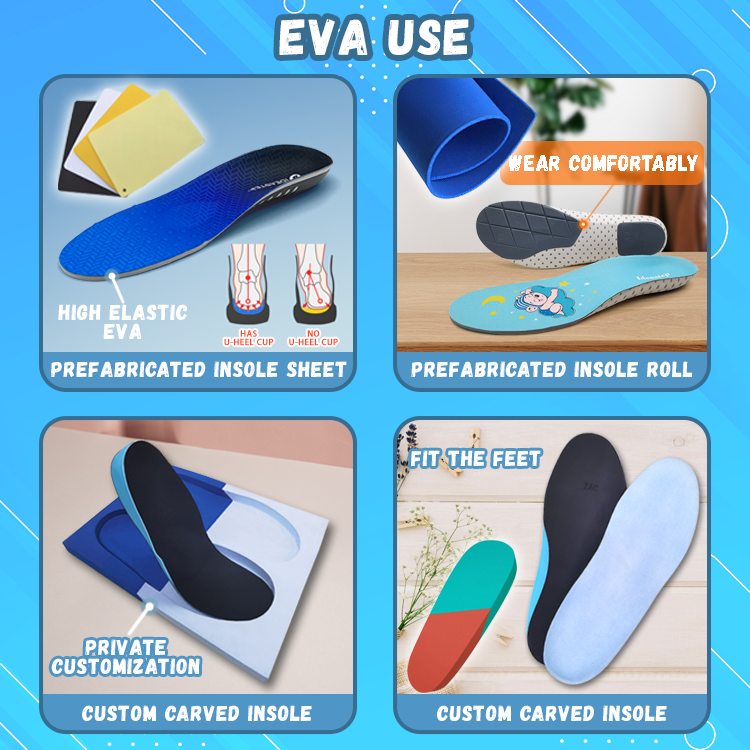
EVA (Ethylene Vinyl Acetate) is one of the most common materials used in insole manufacturing because it provides a practical balance between cushioning, flexibility, weight, and processability.
For different applications, EVA materials can be adjusted by changing density, hardness, thickness, and structure.
Common advantages of EVA cushion insoles include:
- Lightweight construction for better wearing comfort
- Adjustable hardness for different support requirements
- Good cushioning and shock absorption performance
- Easy processing for cutting, molding, and shaping
- Suitable for OEM and customized insole projects
For B2B buyers, the key is not simply choosing EVA, but selecting a factory that can control EVA material performance according to the final product requirements.
What to Look for in EVA Cushion Insole Factories
Different factories may offer similar-looking products, but their manufacturing capabilities can vary significantly. Before cooperation, buyers should evaluate several key areas.
Material Control Capability
The performance of an EVA cushion insole starts with consistent raw materials.
A professional EVA insole factory should be able to manage:
- EVA density
- Hardness levels
- Thickness tolerance
- Compression performance
- Resilience and recovery
- Color consistency
Different applications require different EVA specifications. For example, sports insoles may focus on flexibility and rebound, while work footwear may require better durability and long-term cushioning.
Production Process Capability
A capable EVA cushion insole factory should have suitable production methods for different product requirements.
Common manufacturing processes include:
- Die cutting: suitable for high-volume production with consistent shapes and sizes
- Heat molding: suitable for structured and customized insole designs
- CNC processing: suitable for precise contours, prototypes, and special designs
The right process depends on the product structure, order quantity, and customization requirements.
Material Options for EVA Cushion Insoles
Although EVA is the main material, many commercial insoles use multi-layer constructions to improve performance.
| Material | Function | Features |
|---|---|---|
| EVA | Main cushioning and support layer | Lightweight, adjustable hardness, easy processing |
| TPU | Structural support component | Flexible with better shape retention |
| PU | Comfort layer | Soft feel and cushioning performance |
| Latex | Cushioning enhancement | Elastic and resilient |
| Fabric | Top cover | Improves surface feel and appearance |
A well-designed insole usually combines different materials instead of relying on a single material for every function.
For example:
Fabric Top Cover → Cushioning Layer → Support Component → EVA Base
This type of construction allows manufacturers to balance comfort, support, durability, and cost according to the target market.
Customization Options from EVA Insole Factories
For brands and distributors, customization is often the main reason to work directly with an EVA cushion insole factory.
Depending on the project, factories can customize:
- Insole thickness
- Hardness and density
- Shape and contour
- Arch support structure
- Material combinations
- Top fabric
- Color
- Logo
- Packaging
OEM and private-label projects usually require more than changing the logo. The factory needs to understand the product positioning and provide suitable recommendations on materials, structure, and manufacturing methods.
Quality Control During Bulk Production
For wholesale buyers, maintaining consistency between samples and mass production is one of the most important factors.
Before production, specifications should be clearly confirmed, including:
- Material type and hardness
- Product dimensions
- Thickness requirements
- Weight range
- Appearance standards
- Packaging requirements
During production, quality checks may include:
- Size accuracy
- Cutting quality
- Bonding performance
- Surface finishing
- Material consistency
- Final inspection before shipment
A reliable production process helps reduce quality differences between different batches and supports long-term cooperation.
OEM and ODM Services for EVA Cushion Insoles
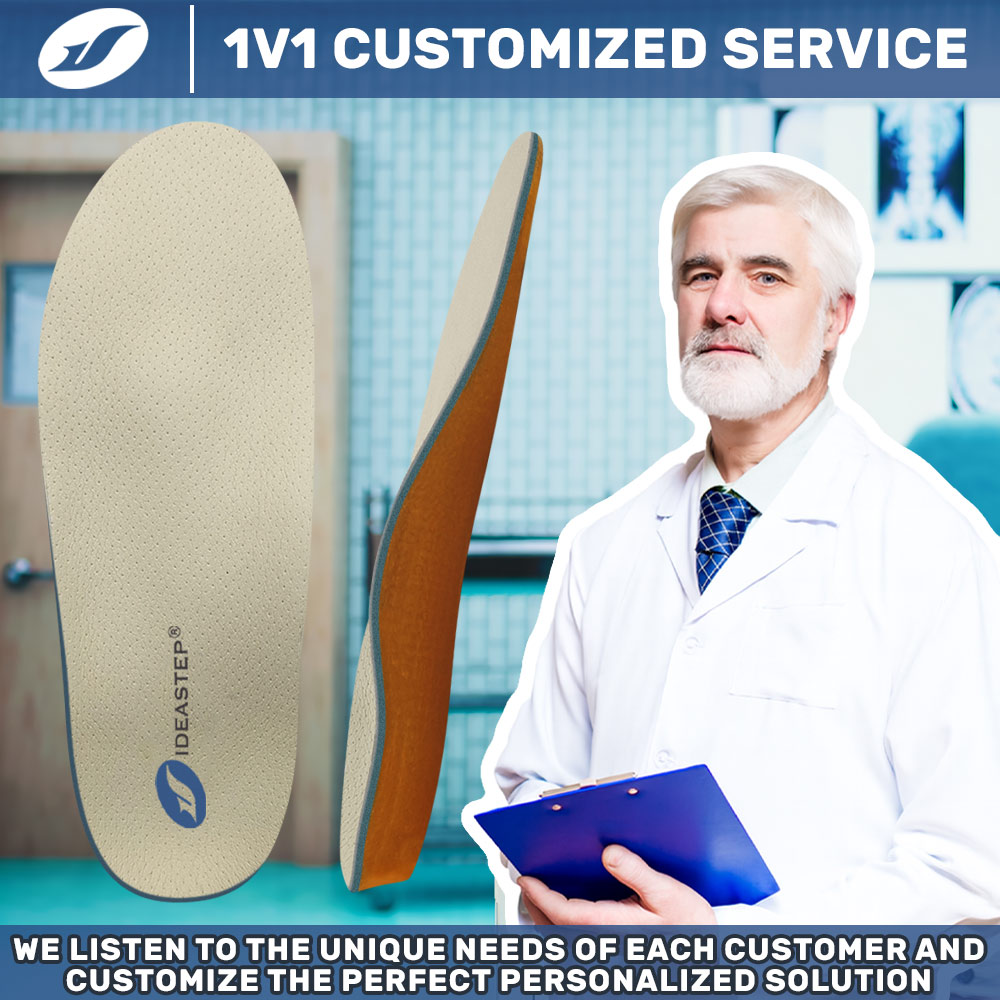
Many footwear brands and distributors prefer OEM or ODM cooperation because it allows them to develop products that match their market requirements.
OEM Production
OEM is suitable when buyers already have product specifications, designs, or material requirements. The factory produces according to the confirmed standards.
ODM Development
ODM is suitable for buyers who need support with product design, material selection, structure improvement, and prototype development.
A capable EVA cushion insole factory can support the complete process:
Product Requirement → Design Development → Sample Production → Testing → Bulk Manufacturing
What B2B Buyers Should Confirm Before Ordering
Before placing a bulk order, buyers should confirm:
- Factory production capability
- Material specifications
- Sample approval process
- Customization options
- MOQ requirements
- Production lead time
- Quality control standards
- Packaging solutions
A clear understanding of these details helps avoid delays and reduces unnecessary modifications during production.
Common Mistakes When Choosing EVA Cushion Insole Factories
Focusing Only on Price
Low unit prices do not always mean better purchasing value. Material quality, production stability, and quality control also affect the final cost.
Ignoring Sample Testing
A sample allows buyers to confirm the actual product performance before committing to large-volume orders.
Not Defining Product Specifications Clearly
For customized products, details such as materials, dimensions, structure, and packaging should be confirmed before production starts.
Choosing a Factory Without Long-Term Production Capability
A supplier should not only make samples but also maintain stable quality during repeated bulk orders.
Why Work with an Experienced EVA Cushion Insole Factory?
For B2B buyers, the right supplier is not only a manufacturer but also a product development partner.
An experienced EVA cushion insole factory can help with:
- Material selection
- Custom structure development
- Prototype production
- OEM and ODM projects
- Bulk manufacturing
- Quality consistency
This support is especially valuable for brands and distributors developing new products or expanding their insole product lines.
Conclusion
Selecting the right EVA cushion insole factories requires evaluating more than production price. Material control, manufacturing capability, customization options, and quality management all influence the success of a project.
At Ideastep, we specialize in EVA cushion insoles and customized insole solutions for global B2B customers. With experience in material development, OEM/ODM production, and bulk manufacturing, we help footwear brands, distributors, and private-label businesses develop reliable insole products.
Whether you need custom EVA cushion insoles, specific material combinations, logo branding, packaging solutions, or large-volume production support, contact our team to discuss your project requirements and start sample development.
Related Reading: custom orthotic factories Ideastep.