Picking the right insole material is one of the most important decisions for orthotic labs, footwear manufacturers and wholesale distributors. Your material choice directly impacts how well your insoles perform, how long they last, and how satisfied your end customers remain. While EVA and memory foam are two of the most common insole materials on the market, they deliver very different performance results. For B2B buyers stocking orthotic products in bulk, knowing the real differences between EVA insole and memory foam helps you build a better product lineup, reduce return rates, and match your goods to the right customer groups.
Core Difference: Structural Support vs. Daily Comfort
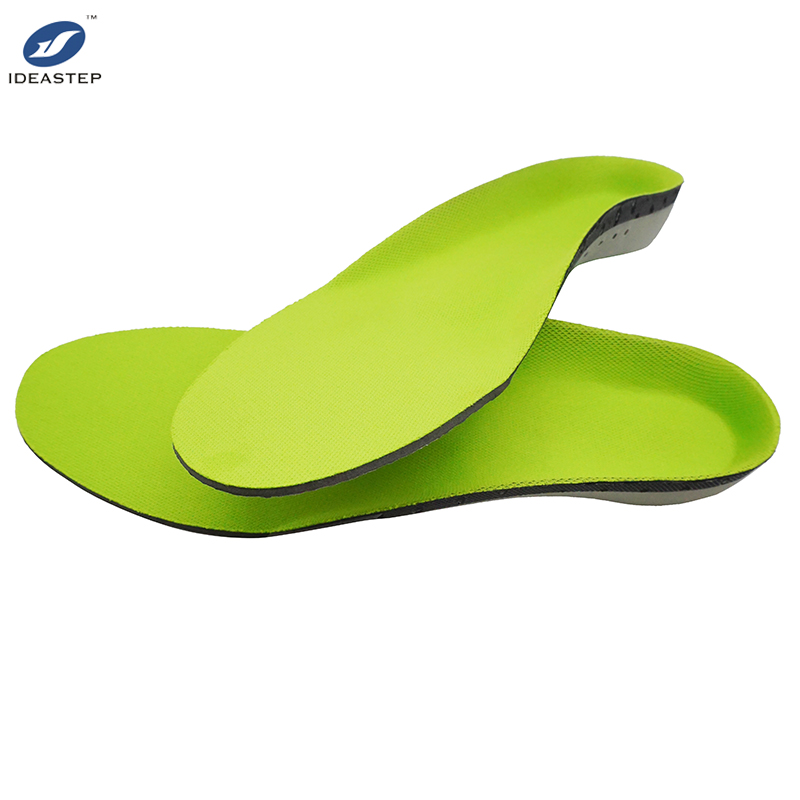
The biggest gap between EVA and memory foam comes down to support versus comfort. Orthotic-grade EVA is formulated for stable, long-lasting structural support. It features consistent density and reliable shape retention, even under continuous daily pressure. This makes it the ideal base material for functional orthotics that correct arch issues, balance foot posture, and redistribute plantar pressure. For clinical use, sports support and long-duration standing scenarios, EVA always delivers dependable biomechanical performance.
Memory foam, on the other hand, focuses entirely on cushioning comfort. It softens with body heat, gently contours to the foot shape, and creates a plush, snug feel during wear. It works great for easing mild foot fatigue but lacks the firmness and stability required for professional correction. Over time, memory foam cannot hold fixed arch or heel support, which limits its use to casual comfort applications rather than therapeutic orthotic treatment.
Durability and Compression Resistance in Real-World Use
Durability is a top priority for wholesale businesses, as material fatigue is one of the leading causes of customer complaints and product returns. Premium EVA insole material offers excellent compression resistance. After months of walking, standing and daily activity, it maintains its molded contour and supportive firmness. Its ability to resist permanent compression fatigue makes it the trusted choice for durable, long-wearing orthotic insoles.
Memory foam faces natural durability limitations. Under consistent body weight and repeated pressure, it gradually flattens out and loses rebound elasticity. Most memory foam insoles become noticeably thinner and less supportive after just a few weeks of regular use. For this reason, pure memory foam is rarely adopted for clinical orthotics and is mainly used for low-intensity, casual footwear comfort.
Fabrication and Customization Feasibility for Manufacturers
For orthotic labs and factories that handle thermoforming, milling and custom molding, EVA is far more production-friendly. Standard orthotic EVA sheets heat evenly, mold accurately to custom foot models, and hold stable shapes after cooling. It cuts cleanly, trims smoothly, and laminates well with various top materials. This consistent workability supports both large-batch wholesale production and personalized OEM/ODM custom orders.
Memory foam is not suitable for professional orthotic fabrication. Its soft, viscoelastic texture is difficult to machine and trim neatly. It cannot withstand precise thermoforming or maintain customized corrective shapes. Nearly all memory foam insoles are mass-produced in fixed sizes, with little room for clinical modification or personalized foot correction.
Best Application Scenarios for Each Material
Wholesale suppliers can optimize their product portfolio by matching each material to its strengths. EVA insoles are the preferred option for professional-grade scenarios, including podiatry clinic orthotics, sports support insoles, work boot supportive insoles, and premium custom footcare products. They target customers who need stable arch support, gait correction and long-term foot relief.
Memory foam insoles serve the casual comfort market perfectly. They are ideal for everyday shoes, lifestyle footwear and entry-level retail insoles designed to deliver soft cushioning and improved wearing experience. Stocking memory foam allows distributors to cover budget-friendly comfort product lines and expand market coverage.
B2B Wholesale Sourcing Guidance
When sourcing insoles in bulk, avoid judging quality solely by softness. Some low-grade EVA blends feel similar to memory foam but lack stable density and compression resistance, leading to poor product consistency. High-quality orthotic EVA provides graded hardness options, stable thermoforming performance, and uniform batch quality — critical for long-term wholesale cooperation.
For brands wanting both support and comfort, hybrid construction is the most practical solution. Pairing a firm EVA base layer with a thin memory foam top cover balances structural correction and plush cushioning, creating versatile insoles suitable for wider consumer groups.
Reliable Custom Wholesale Insole Solutions
Whether you need durable EVA orthotic insoles, casual memory foam comfort insoles, or hybrid custom designs with OEM and ODM services, we offer flexible low-MOQ wholesale supply for global distributors, footwear brands and orthotic clinics. Feel free to contact our team for material samples, detailed performance comparisons and tailored bulk pricing.
Explore More: Memory Foam Insoles for Shoes Boots: A B2B Guide.