In the orthopedic shoe insole industry, OEM and ODM are two of the most common manufacturing models brands encounter during product development.
At first glance, the difference seems to be only about production methods. However, in real projects, this decision can directly influence development cycles, cost structure, product differentiation, and even long-term brand competitiveness.
Many brands do not actually run into problems during production. Instead, issues often begin at the very start—when the wrong development model is chosen.
1. What Are OEM and ODM in Orthopedic Shoe Insoles?
1.1 OEM (Original Equipment Manufacturer)
In an OEM model, the typical workflow is:
The brand defines the product design and functional requirements, while the manufacturer is responsible for turning the design into mass production.
In practice, this means:
- The product structure is led by the brand
- Material selection and functional design are defined by the brand
- The factory focuses on manufacturing and production stability
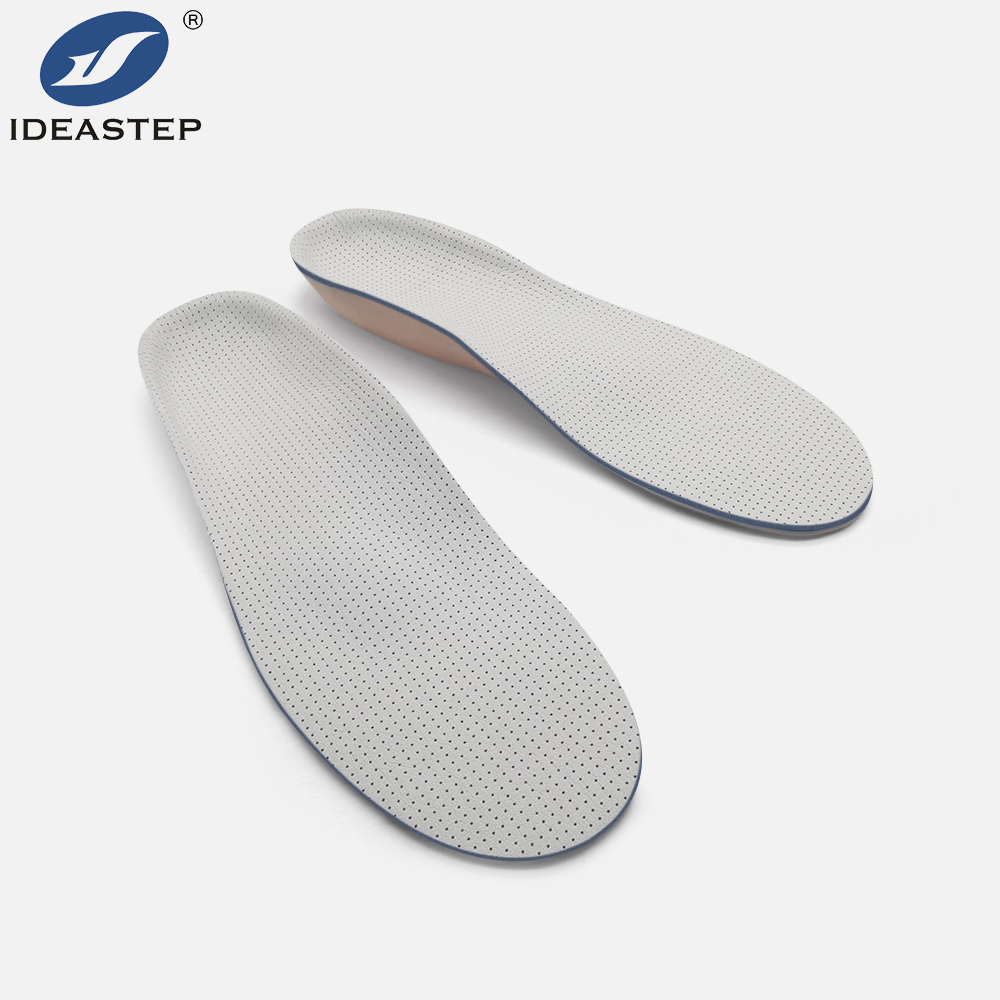
In the orthopedic insole industry, OEM often involves deeper structural development such as arch height design, heel stability systems, and pressure distribution optimization.
1.2 ODM (Original Design Manufacturer)
ODM works differently:
The manufacturer provides pre-developed insole solutions, and the brand selects or lightly customizes them.
Typically, this includes:
- Pre-developed insole structures
- Existing molds with proven performance
- Customization of logo, color, or packaging
This allows brands to enter the market faster without building a product from scratch.
2. Key Differences Between OEM and ODM
Understanding OEM and ODM only as “deep customization vs simple customization” is not enough. In real projects, the differences are more practical and strategic.
2.1 Product Control
OEM gives brands higher control over product development.
Brands are often involved in:
- Arch support structure design
- Material hardness selection
- Functional zoning of the insole
ODM, on the other hand, is based more on existing designs with limited modification options.
2.2 Development Time and Cost
From industry practice:
- OEM requires a full process of design → sampling → refinement → final approval
- ODM allows faster product launch based on existing solutions
In most cases, OEM projects take 2–3 times longer than ODM development.
2.3 Customization Depth
This is a critical factor in the orthopedic insole industry.
- OEM enables structural-level customization (arch height, support geometry, material combinations)
- ODM focuses more on surface-level adjustments such as branding and packaging
OEM changes the structural logic of the product, while ODM mainly adjusts its appearance or configuration.
2.4 Market Risk
- ODM products are usually market-tested and lower risk
- OEM products involve higher uncertainty but offer stronger differentiation potential
However, successful OEM products often build stronger long-term competitive barriers.
3. Where Many Brands Actually Make Mistakes
In real development processes, a common misunderstanding is focusing only on OEM vs ODM while ignoring the quality of the design stage itself.
In the orthopedic insole industry, many issues do not appear during production. Instead, they originate earlier in the design phase, such as:
- Improper arch support angles
- Mismatch between material hardness and structural design
- Lack of consideration for long-term usage scenarios
These problems may not be obvious during sampling, but they often become visible in mass production or long-term use.
In many failed OEM projects, the real issue is not manufacturing—it is insufficient biomechanical design during the early stage.
4. OEM and ODM Are Not Opposing Choices
In the actual market, more and more brands are not choosing one over the other. Instead, they combine both models:
- ODM for rapid market validation
- OEM for core product line development
This approach is widely used in e-commerce and functional insole industries.
Validating the market first and then building differentiation is often a more stable strategy.
5. Key Factors in Orthopedic Insole Development
Regardless of OEM or ODM, product performance depends on several core factors:
5.1 Material Selection
- EVA: lightweight and cushioning
- PU: more stable rebound performance
- TPU: stronger structural support
Different material combinations directly affect comfort and durability.
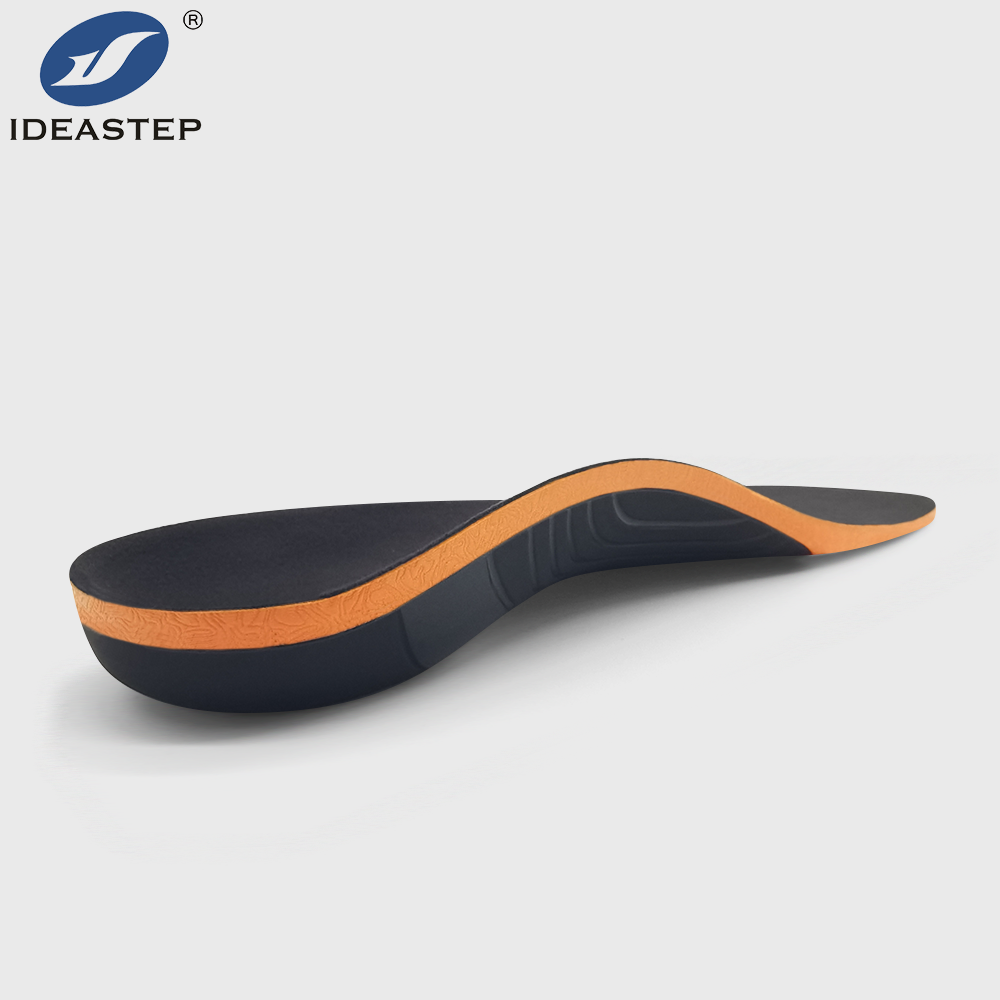
5.2 Biomechanical Structural Design
The functional performance depends on:
- Arch support angle
- Plantar pressure distribution
- Heel stabilization structure
These determine whether the insole is truly functional or just shaped like one.
5.3 Production Consistency
Many brands underestimate this factor, but it is critical:
- Hardness variation between batches
- Inconsistent rebound performance
- Left-right asymmetry issues
These directly affect user experience and brand reputation.
6. How to Choose the Right Manufacturing Partner
A mature insole manufacturing partner is not just a production provider but also a development contributor.
Key capabilities include:
- OEM and ODM development experience
- Biomechanical design expertise
- Stable mass production and quality control system
- Fast product development and iteration capability
- Understanding of different market requirements
For brands, supplier capability often defines the upper limit of product success.
7. Conclusion: It Is Not About Choosing the Model, But the Stage
So which is better for orthopedic insole brands—OEM or ODM?
A more realistic answer is:
- ODM is ideal for market validation stages
- OEM is suitable for brand building and differentiation stages
- Mature brands often use both simultaneously
In real industry practice, successful brands are not those that “choose once correctly,” but those that continuously adjust their OEM and ODM strategies according to different stages of growth.
Learn more about OEM vs. ODM on this page:Custom Orthopedic Shoe Inserts – OEM/ODM Solutions for Global B2B Partners