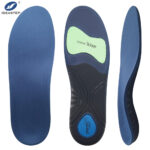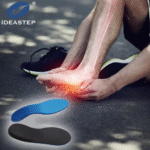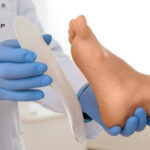
Overpronation is a common foot movement pattern that many people experience during walking or running, but most do not notice it at the beginning.
It is often only after persistent fatigue, ankle instability, or even knee discomfort that people start to question whether their foot mechanics might be contributing to the problem.
Insoles are often considered a potential solution, but can they actually help with overpronation, and to what extent? This article explains the topic from a biomechanical and real-world perspective.
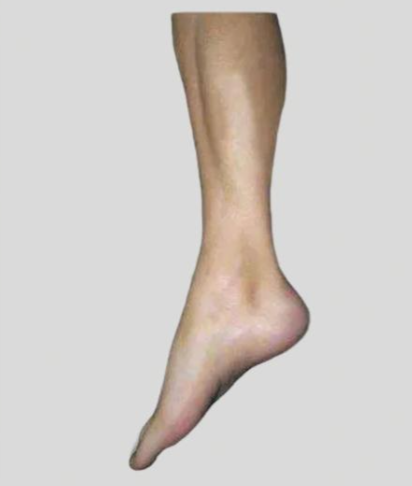
1. What Is Overpronation? More Than Just “Feet Rolling Inward”
In a normal gait cycle, the foot naturally pronates after landing as a way to absorb impact forces.
However, when this inward rolling exceeds a healthy range, it is referred to as overpronation.
From clinical and observational perspectives, common signs include:
Shoes often show more wear on the inner side, and many individuals report fatigue in the arch area after prolonged standing or walking, along with a feeling of instability in the ankles.
From a biomechanical standpoint, the issue is not simply “foot deformation,” but rather:
Insufficient lateral and arch support during the loading phase leads to increased tibial internal rotation and a shift in overall lower limb alignment.
Over time, this misalignment may affect not only the feet but also the knees and hips.
2. How Do Insoles Influence Overpronation?
Insoles do not change bone structure. Instead, they influence load distribution at the contact surface level.
More specifically, their main functions include:
- Providing arch support to reduce arch collapse
- Redistributing plantar pressure more evenly
- Limiting excessive inward rotation to a certain extent
From a biomechanical perspective:
Insoles influence lower limb alignment by modifying plantar pressure distribution, which in turn affects tibial rotation patterns and overall stability.
However, this is a functional adjustment rather than a structural correction.
3. Can Insoles Really Improve Overpronation?
The answer depends on how “improvement” is defined.
In real-world usage and clinical observation, insoles may provide the following benefits:
- Improved walking and running stability
- Reduced foot fatigue
- Better arch support sensation
- Partial reduction in ankle or knee stress
However, it is important to understand:
Insoles cannot fundamentally change bone structure or cure overpronation.
Their role is better described as:
- Functional support tools
- Biomechanical assistance devices
- Long-term load management solutions
Therefore, the outcome is usually “improvement in function,” not “complete correction.”
4. Real-World Experience: The Adaptation Process Many People Overlook
1. Initial Stage (1–3 Days)
Common sensations include:
- Noticeable arch support feeling
- Sensation of being “lifted” at the arch
- Changes in walking pattern
This is not discomfort in most cases, but rather the body adapting to a new load distribution.
2. Adaptation Stage (1–2 Weeks)
As usage continues, most users begin to notice changes such as:
- Reduced fatigue during long walks
- Improved ankle stability
- Easier standing for extended periods
These changes are gradual rather than immediate.
3. Stable Stage (After 3 Weeks)
Some users may experience:
- Faster post-activity recovery
- Reduced lower limb fatigue
- More stable gait patterns
However, results vary depending on foot structure, body weight, and activity level.
5. Why Do Results Vary Between Individuals?
The effectiveness of insoles depends on several key factors:
1. Foot Structure Differences
- Flat feet
- High arches
- Normal arches with dynamic overpronation
2. Different Usage Scenarios
- Daily walking
- Long hours of standing
- Running and sports activities
3. Differences in Insole Design
Key variables include:
- Arch support height
- Heel stability structure
- Material rebound consistency
- Compatibility with different shoe types
Even products labeled as “support insoles” can perform very differently.
6. Limitations of Insoles (A Necessary Reality Check)
Although insoles can help with overpronation, they are not a universal solution.
They may be less effective in cases such as:
- Severe structural deformities
- Chronic or progressive joint conditions
- Lack of rehabilitation or muscle training
- Worsening or undiagnosed pain conditions
In some cases, poorly designed insoles may even cause discomfort, such as:
- Localized pressure buildup
- Increased discomfort in certain areas
- Overcorrection of gait patterns
Therefore, insoles should be viewed as a supportive tool rather than a standalone solution.
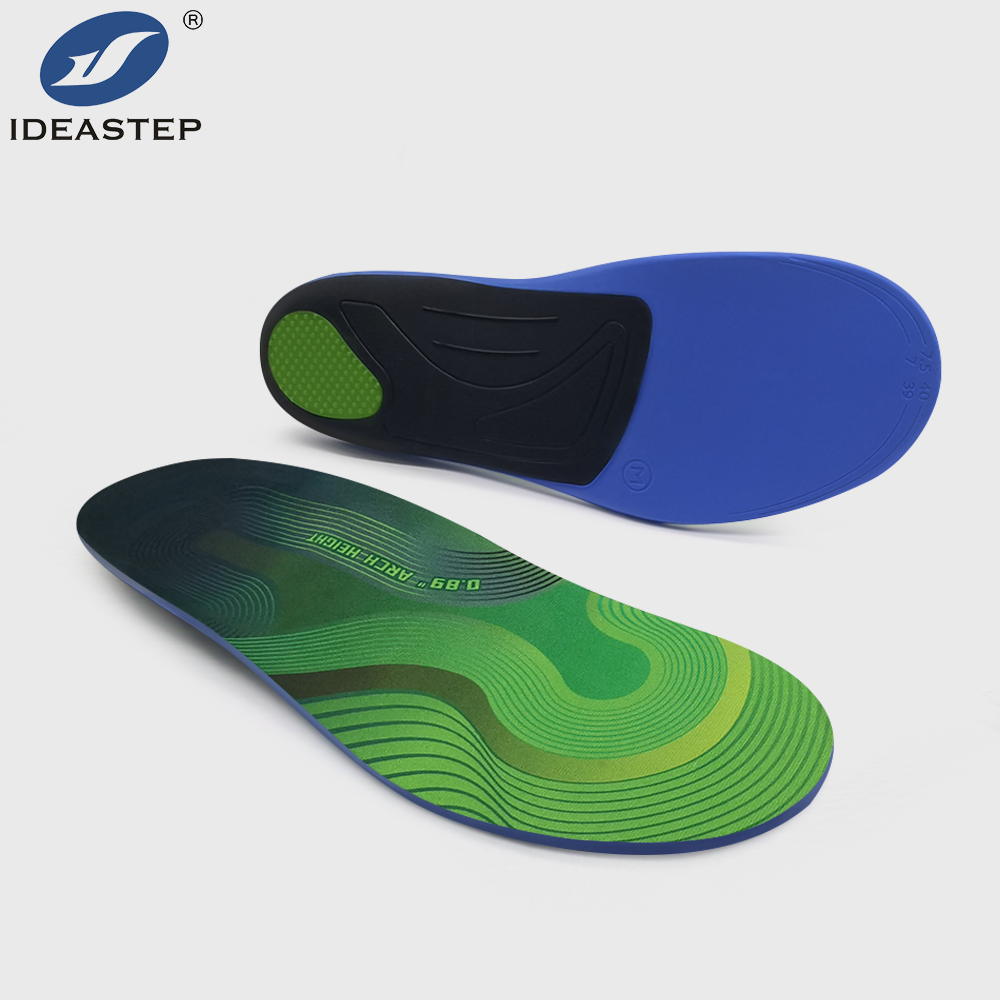
7. How Should Insoles Be Understood Properly?
From a professional standpoint, insoles do not change skeletal structure, but they do influence how the foot is used during movement.
In other words, they modify load transfer rather than the body itself.
For mild to moderate overpronation, appropriately designed insoles can provide noticeable improvements in stability and comfort.
However, effectiveness depends on:
- Proper structural design
- Correct foot type matching
- Sufficient adaptation time
8. Conclusion: Support, Not Treatment
So, can insoles help with overpronation?
The answer is:
- Yes, they can improve foot loading patterns
- Yes, they can enhance walking and running stability
- Yes, they can reduce fatigue and discomfort in some cases
However, it is important to be clear:
Insoles are biomechanical support tools, not medical treatments.
For most people, the key question is not whether they work, but whether the selected insole matches their foot structure and usage needs.
You might also like these popular articles:overpronation inserts for function introduction