For footwear brands, wholesalers, distributors, and private-label businesses, choosing an EVA insole manufacturer affects more than the purchase price. Material consistency, product development, production capacity, and quality control can all influence the final cost and performance of an insole program.
EVA is widely used for sports, casual, work, and comfort footwear, but not every supplier works with the material in the same way. Before starting a new project, it is worth looking beyond the product catalog and checking how the manufacturer handles materials, samples, customization, and repeat production.
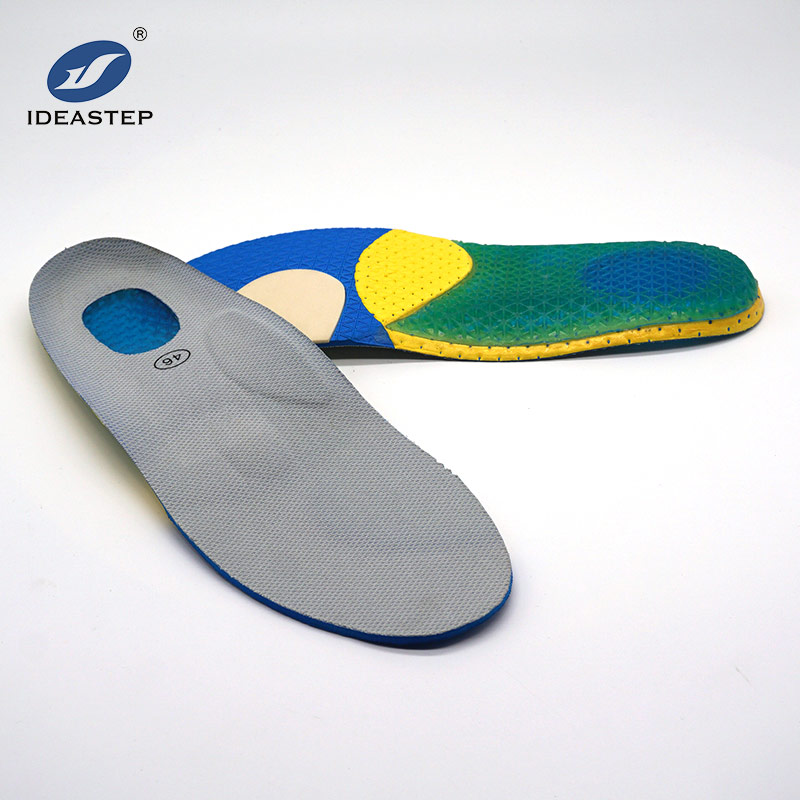
Check the Manufacturer’s EVA Insole Experience
Experience with EVA processing matters because density, hardness, thickness, and structure can all change the characteristics of the finished insole.
Start by checking whether the manufacturer has experience with products similar to yours, such as:
- Sports insoles
- Comfort insoles
- Orthotic insoles
- Work footwear insoles
- Custom EVA insoles
- Private-label insoles
A supplier familiar with your product category will also have a better understanding of the material and construction choices involved.
Review EVA Material Specifications
EVA is available in different densities, hardness levels, and thicknesses. These specifications affect flexibility, cushioning, weight, and the overall feel of the insole.
Before ordering, confirm the specifications relevant to your product:
- Density
- Hardness
- Thickness
- Resilience
- Compression performance
The right combination depends on the footwear. A sports insole, for example, may require a different EVA structure from a work shoe or a general comfort product.
For custom projects, it is useful to discuss the material requirements with the manufacturer before finalizing the design rather than selecting a specification based only on a product sample.
Look at Customization and Product Development
Standard insoles can work for some wholesale programs, while footwear brands often need changes to match a particular shoe or product specification.
Depending on the project, customization may include:
- Overall shape and thickness
- Arch support structure
- Heel area
- Cushioning zones
- Material combinations
- Top-cover fabric
- Colors and branding
- Packaging
Product development is especially relevant when the insole needs to fit a specific shoe. A change to the arch, heel, or thickness can affect the available space inside the footwear, so these details are best reviewed together during sampling.
Understand OEM and ODM Production
OEM and ODM are two common approaches for developing customized insoles.
OEM
OEM is generally used when the buyer already has a design, drawing, material specification, or product standard. The manufacturer produces according to the approved requirements.
ODM
ODM is more suitable when the buyer needs assistance with product development. Depending on the project, the manufacturer may contribute to material selection, structure, prototype development, and production adjustments.
A typical development process is:
Requirements → Material and Structure → Prototype → Sample Testing → Approval → Production
Keeping these stages clear helps reduce changes once production has started.
Evaluate the Sample Before Bulk Production
A physical sample provides information that is difficult to judge from a catalog or specification sheet.
Before approval, check:
- Overall shape and dimensions
- EVA hardness and material feel
- Thickness consistency
- Arch and heel structure
- Top-cover quality
- Bonding and edge finishing
- Fit inside the intended footwear
For customized products, record any changes made during sample development. The final sample and confirmed specifications can then be used as the reference for production.
Check Quality Control for Repeat Orders
A good sample does not necessarily mean every production batch will be identical. For ongoing B2B orders, ask how the manufacturer manages quality during production.
Relevant checks may include:
- Incoming material inspection
- Density, hardness, and thickness control
- Dimensional checks
- Cutting and molding accuracy
- Bonding quality
- Final inspection
The goal is consistency with the approved specification. This becomes particularly important when the same insole is reordered over a longer period.
Confirm MOQ, Production Capacity and Lead Time
Production conditions should match your purchasing plan.
Before cooperation, confirm:
- MOQ: Minimum quantity for standard and customized products
- Capacity: Available production volume for your expected order
- Lead time: Sample development and bulk production schedule
- Repeat orders: Ability to maintain the approved specifications
These details may not matter much for a small trial order, but they become important once the product moves into regular wholesale supply.
Pay Attention to Communication During Development
Communication can have a direct effect on customized production. Product drawings, material specifications, sample changes, packaging requirements, and approval details should be recorded clearly.
This is particularly important when several product sizes or material combinations are involved. A clear specification gives both the buyer and manufacturer the same production reference.
Compare the Complete Sourcing Cost
Unit price is only one part of the sourcing calculation.
When comparing manufacturers, also consider:
- Material specifications
- Sample development
- Customization costs
- Packaging
- Production lead time
- Quality control
- Repeat-order consistency
A lower quotation may not reduce the overall cost if it leads to repeated sampling, inconsistent production, or delays on larger orders.
Questions to Ask an EVA Insole Manufacturer
Before starting a project, buyers can ask:
- What EVA specifications are available?
- Can the insole structure be customized?
- Do you support OEM and ODM projects?
- Can samples be provided before bulk production?
- What is the MOQ for customized products?
- Which production processes are available?
- How is product quality checked?
- Can the same specification be maintained for repeat orders?
- What information is needed to begin a custom project?
These questions can help clarify whether a supplier’s capabilities match the requirements of your product and purchasing plan.
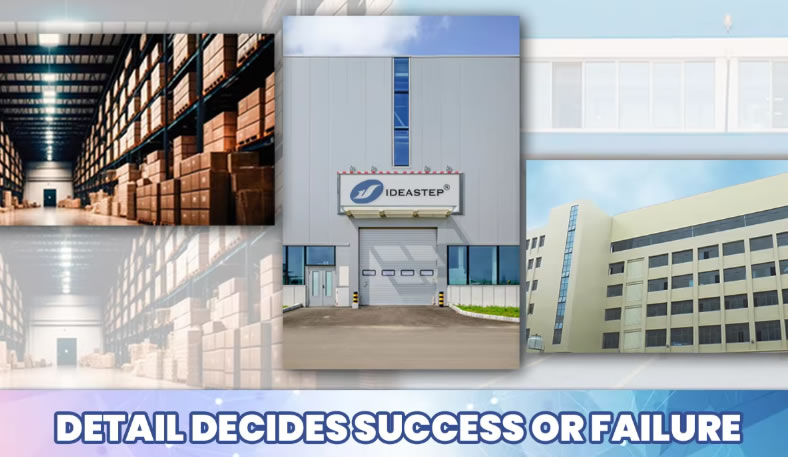
About Ideastep
Ideastep has been involved in foot-related products since 1989, with experience in EVA materials, custom insoles, orthotic products, and OEM/ODM production.
Our production capabilities include material selection, structural customization, sample development, CNC processing, and bulk manufacturing for B2B customers.
If you are developing an EVA insole for a footwear brand, wholesale program, or private-label product, you can send us the basic requirements, such as size range, material, thickness, structure, target footwear, logo, packaging, and expected order quantity. We can review the specifications, discuss available production options, and proceed with sample development if the project is suitable.
Conclusion
Selecting an EVA insole manufacturer is mainly about matching manufacturing capabilities with your product requirements. Material control, customization, sample development, quality management, production capacity, and communication all deserve attention before a bulk order is placed.
A practical process is to define the specifications, review the manufacturer’s capabilities, test a physical sample, confirm the final requirements, and then move into bulk production. This gives both sides a clear reference and makes repeat orders easier to manage.
Explore More: Key Factors When Choosing an Orthotic Insoles Supplier.