Footwear brands compete through design, materials, construction, and product performance. Custom made foot insoles add another dimension to product development, allowing brands to adjust internal structures, material combinations, cushioning zones, and surface finishes to suit different footwear categories.
For footwear manufacturers, shoe brands, and wholesale buyers, custom insoles offer greater flexibility in product differentiation. The key is to balance design requirements with shoe compatibility, manufacturing feasibility, and consistent bulk production.
Why Footwear Brands Choose Custom Made Foot Insoles
Differentiate Products Through Insole Design
Insole construction can distinguish product lines beyond exterior styling. Variations in arch profiles, heel cup geometry, cushioning layers, and material combinations allow brands to develop products for different applications and price points.
For example, performance footwear may prioritize low weight and midfoot support, while work footwear may require a different balance of cushioning, durability, and internal fit. Each design should reflect the requirements of the complete shoe rather than the insole alone.
Expand Product Lines Efficiently
Custom insole development allows brands to build product variations around shared designs. Manufacturers can adjust selected features, such as material hardness, thickness, support components, top covers, and colors, without redesigning every element from scratch.
A modular approach can simplify product development and help control SKU complexity. However, each variation still requires fit checks and specification approval before production.
Maintain Consistent Product Quality
Product differentiation depends on repeatable manufacturing. Variations in material properties, dimensions, or assembly can affect the finished product and create inconsistencies between batches.
Approved samples, technical drawings, material specifications, and dimensional tolerances provide a clear production reference. These controls are particularly important for brands managing multiple models or repeat orders.
Custom Insole Features That Support Product Differentiation
Arch Profiles and Support Structures
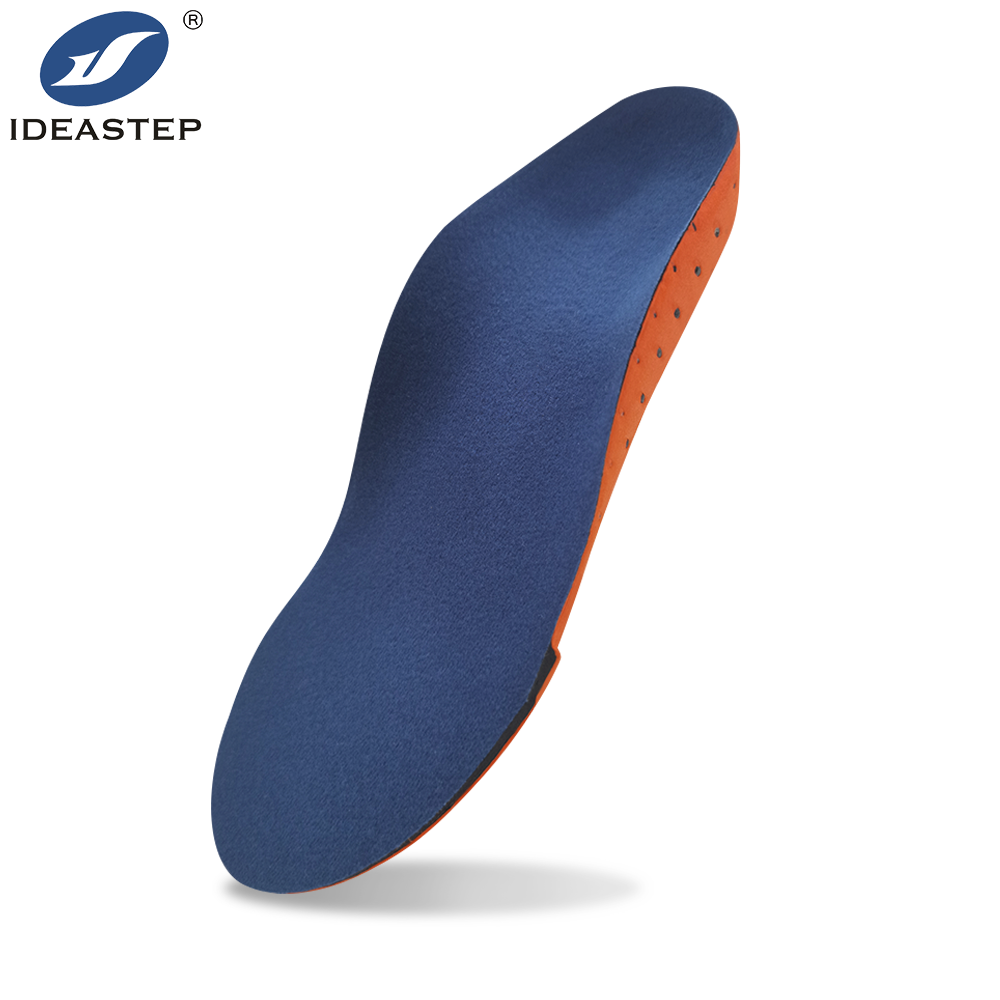
Arch height, contour, length, and position influence insole geometry and compatibility with the shoe. Other design elements may include shaped heel cups, midfoot support components, and reinforced sections.
The appropriate structure depends on the footwear design, available internal space, and intended application. A profile suitable for an athletic shoe may not fit a slim dress shoe, so dimensional compatibility should be checked during development.
Cushioning Zones and Material Combinations
Material selection affects weight, compression behavior, flexibility, processing requirements, and production cost. Common materials include:
- EVA foam: Available in different density and hardness grades for lightweight insole bodies, cushioning layers, and shaped components.
- PU foam: Offers formulation-dependent cushioning and compression characteristics.
- TPU components: Used in selected support structures where defined mechanical properties are required.
- Memory foam: An option for designs requiring specific compression and recovery characteristics.
- Textile and microfiber covers: Provide choices in surface texture, appearance, and material compatibility.
Material names alone do not determine finished-product performance. Buyers should specify relevant physical properties and assess materials against the actual design requirements.
Top Covers, Branding, and Finishing
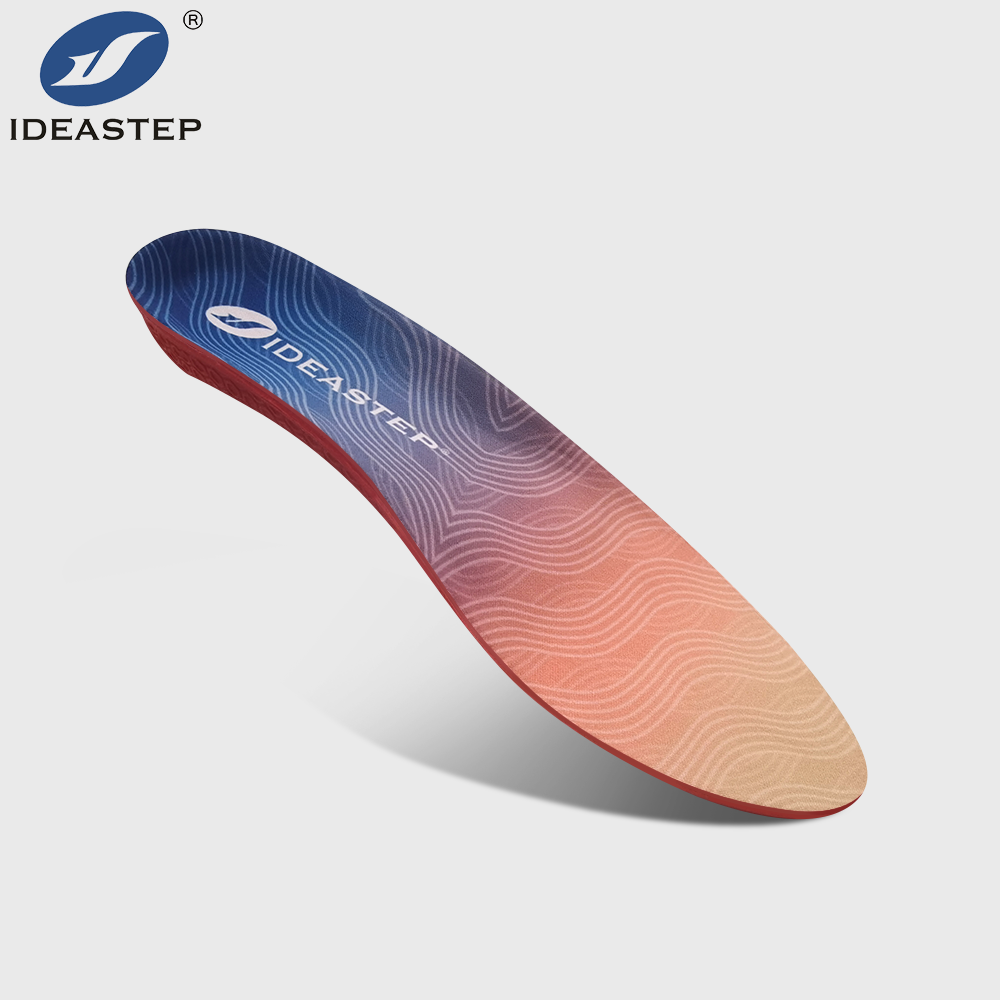
Brands can customize top-cover materials, colors, printed graphics, logo placement, edge finishing, and packaging, depending on the manufacturing process.
These options help align insoles with a footwear collection’s visual identity. However, surface materials and adhesive layers must remain compatible with the base construction. Their thickness should also be included in the final dimensional specification.
Matching Custom Made Foot Insoles to Different Footwear Categories
Sports and Performance Footwear
Sports insoles may require a balance of weight, cushioning distribution, flexibility, and midfoot structure. Requirements vary by footwear type, so the insole should be evaluated alongside the midsole, heel counter, and upper.
During sampling, brands should check internal fit, edge alignment, overall thickness, and compatibility with the complete shoe construction.
Work and Safety Footwear
Work footwear may require durable materials, controlled compression, reliable bonding, and suitable internal dimensions.
For safety footwear, insole changes must also be assessed against applicable footwear requirements. A replacement or customized insole should not be assumed to preserve the footwear’s tested or certified properties without appropriate verification.
Casual and Specialty Footwear
Slim-profile footwear places tighter limits on thickness and internal volume, while roomier designs may accommodate more material layers or support components.
Defining the target shoe model early helps manufacturers determine suitable dimensions, construction methods, and material combinations before sampling begins.
Key Considerations in Custom Insole Development
Footwear Fit and Dimensions
Length and width are only part of the specification. Overall thickness, heel cup depth, arch height, forefoot profile, and edge shape can all affect fit.
Brands should provide a reference sample, technical drawing, or target shoe wherever possible. The size range should also be established early, as different sizes may require controlled scaling or design adjustments.
Material Selection and Construction Methods
Material selection should reflect the required physical properties, target cost, and manufacturing process. Relevant factors include density, hardness, compression behavior, weight, bonding compatibility, and surface finish.
Depending on the design, manufacturers may use cutting, molding, CNC processing, or multilayer assembly. Each method has different tooling, dimensional accuracy, and production considerations.
For multilayer insoles, the combined thickness of the foam base, support components, cover, and adhesive must be checked against the final specification.
Sampling and Design Approval
Prototype samples allow brands to verify dimensions, fit, material compatibility, bonding, and surface finish before mass production.
Any revisions should be documented in the updated drawing or specification. Once approved, the final sample and associated technical documents should serve as the reference for production and repeat orders.
How OEM and ODM Manufacturing Supports Custom Insole Projects
OEM Production Based on Brand Specifications
OEM projects typically begin with buyer-provided drawings, reference samples, material requirements, size ranges, and branding details.
The manufacturer reviews production feasibility, identifies missing specifications, and confirms the details required for sampling and quotation. Clear documentation reduces avoidable revisions and supports repeat-order consistency.
ODM Development for New Products
ODM cooperation suits brands that have a product concept but need assistance refining the structure, materials, or manufacturing approach.
The development process may involve evaluating material combinations, adjusting dimensions, producing samples, and refining the design against agreed requirements. Target applications, cost expectations, and estimated order quantities should be defined early.
Moving from Sampling to Bulk Production
Bulk production requires more than an approved sample. Manufacturers need defined material specifications, production instructions, dimensional tolerances, and inspection criteria.
Before confirming an order, buyers should approve the final sample, technical drawing, size breakdown, packaging, and delivery schedule. Proposed material or process changes should be reviewed if they could affect critical dimensions or product properties.
MOQ and lead time depend on material purchasing requirements, tooling, construction complexity, SKU count, order quantity, and packaging.
How to Choose a Custom Insole Manufacturer
Product Development and Material Capabilities
Evaluate whether the manufacturer can support the required materials, structural components, size adjustments, top-cover customization, and sample development.
The supplier should also be able to review technical drawings, identify design constraints, and explain which requirements are feasible within the proposed manufacturing process.
Quality Control and Production Consistency
Ask how the manufacturer checks critical dimensions, identifies materials, manages approved samples, and handles design revisions.
Inspection requirements may cover length, width, thickness, profile, material properties, bonding, and appearance. The specific criteria should be agreed upon before production.
MOQ, Lead Time, and Communication
Confirm the MOQ for each design or size variation, sample costs, tooling requirements, production lead time, and packaging options.
Clear communication is equally important. A capable supplier should identify missing information, explain technical limitations, and confirm the agreed specifications before production begins.
What to Include in an OEM Insole Inquiry
A complete inquiry helps manufacturers evaluate feasibility and prepare an accurate quotation. Buyers should provide:
- Product application: Target footwear category and intended use.
- Reference materials: Technical drawings, existing samples, or product images.
- Dimensions: Size range, length, width, thickness, and critical structural measurements.
- Material requirements: Preferred materials and relevant physical properties.
- Customization: Top-cover materials, colors, logos, and packaging.
- Order details: Estimated quantity, number of SKUs, and target delivery date.
- Quality requirements: Dimensional tolerances, inspection criteria, and required testing.
If some specifications remain open, identify which requirements are fixed and which can be adjusted during development.
Frequently Asked Questions About Custom Made Foot Insoles
Can Custom Made Foot Insoles Be Developed for Different Shoe Types?
Yes. Dimensions, thickness, support profiles, materials, and surface finishes can be tailored to different footwear designs, subject to technical feasibility and fit verification.
Which Materials Are Commonly Used for Custom Insoles?
Common options include EVA foam, PU foam, TPU support components, memory foam, and textile or microfiber covers. Selection depends on the required physical properties, construction, and target cost.
Can Footwear Brands Customize Logos and Packaging?
Logo printing, colors, top-cover materials, and branded packaging may be available for OEM projects. Options and minimum quantities should be confirmed with the manufacturer.
What Determines MOQ and Production Lead Time?
MOQ and lead time depend on material availability, tooling, construction complexity, size range, SKU count, order volume, and packaging requirements.
What Information Is Needed to Start a Custom Insole Project?
A reference sample or drawing, target footwear category, dimensions, material requirements, estimated order quantity, and delivery schedule provide a practical starting point for technical review and quotation.
Develop Custom Made Foot Insoles with Ideastep
Custom made foot insoles give footwear brands greater control over internal construction, material combinations, dimensions, and product finishing. Successful projects rely on clear specifications, suitable manufacturing methods, approved samples, and consistent quality control.
Ideastep works with B2B buyers on custom insole and OEM/ODM development projects. Contact our team with your reference sample or technical drawing, material requirements, size range, and estimated order quantity to discuss customization and bulk manufacturing options.
Related Reading: What properties are needed in custom made foot insoles raw materials?.