Medical‑grade diabetic insoles operate in a completely different category from regular comfort insoles. Poor performance creates real risks for end users, while exposing wholesale distributors and OEM footwear partners to regulatory penalties and brand‑reputation damage. Based on years supporting global foot‑care buyers with bulk and OEM projects, this article breaks down common sourcing mistakes and practical steps to reduce risk on large‑volume orders.
Why Diabetic‑Focused Insoles Carry Unique Sourcing Risks
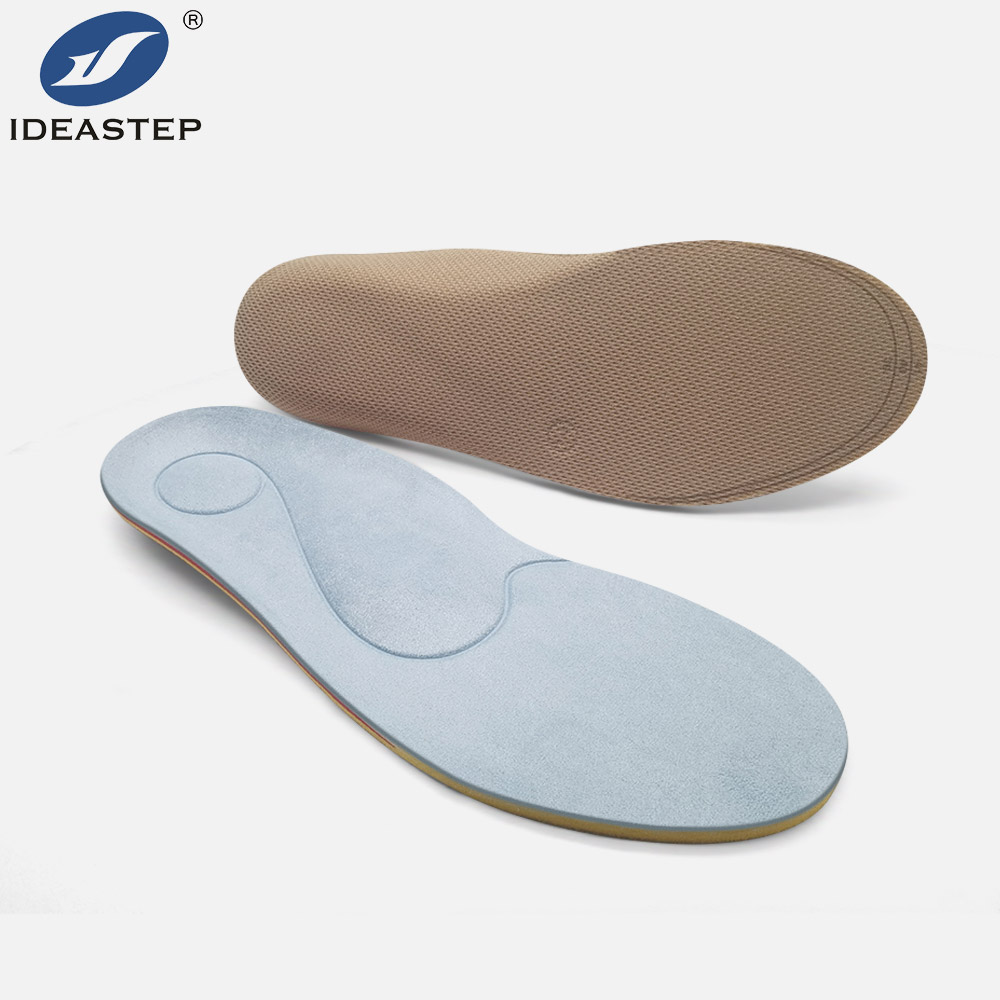
Many buyers approach diabetic insole procurement the same way they source general orthotic inserts, and this is where most avoidable problems start. Unlike commodity insoles, these products are built to redistribute plantar pressure and lower ulcer risk for users with reduced foot sensation. Any performance shortfall does not only equal poor customer feedback — it brings liability concerns, regulatory scrutiny and lasting harm to your brand. Compounding this issue is widespread market misrepresentation: plenty of generic foam products are marketed as diabetic‑friendly without any validated pressure‑relief testing. Before reviewing suppliers or reviewing quotes, it is critical to understand the higher bar for material, build quality and supporting documentation.
Mistakes Around Product Technical Performance
Surface feel can be misleading, and many purchasing teams rely too heavily on hand‑testing samples without objective lab data. Soft foam does not guarantee effective pressure redistribution. Some low‑density materials compress rapidly under load and lose cushioning shortly after daily wear, creating dangerous high‑pressure spots for diabetic feet.
Fabric selection is another frequently overlooked detail. Abrasive top‑cover material can cause blisters and skin injury for sensitive feet. Equally problematic is poor geometry: overly thick constructions eat up internal shoe space and trigger new pressure points, while simple pattern scaling across sizes breaks pressure performance on smaller or larger pairs. Even if one sample works perfectly, other sizes from the same order may fail functional requirements without strict size‑specific validation.
What to Watch For When Vetting Suppliers
Not every factory that prints private‑label insoles has real‑world experience building medical‑grade diabetic products. Some vendors market strong customisation capability, yet can only deliver cosmetic changes like logo printing, lacking engineering knowledge around diabetic foot biomechanics.
Pay close attention to supporting evidence. Sales brochures and self‑claimed specifications hold little weight; always ask for independent third‑party reports covering pressure mapping, material safety and foam ageing performance. One of the costliest risks in bulk orders is sample‑to‑production material substitution: premium‑grade foam used for approval samples gets replaced with cheaper alternatives once mass production starts. Reliable suppliers will also provide complete material data sheets and specification files you can keep for internal records and market‑entry filings.
Compliance Gaps That Derail Bulk Projects
A very common misstep is mixing general‑product compliance with medical‑device regulatory requirements. Passing REACH testing for raw materials does not automatically satisfy local medical‑device rules in your target sales regions.
Marketing language also carries serious risk. Making unsubstantiated therapeutic claims without proper certification can lead to fines and forced product removal in EU and other tightly‑regulated markets. Watch out for reused or mismatched test reports, where documentation comes from unrelated product lines and does not match part numbers or batch materials of your actual order. Without complete, traceable technical files, your downstream distributors will struggle to finish local import and registration work.
Production‑Stage Issues That Show Up After Mass Manufacturing
Problems often emerge after production begins, even when samples passed all checks. Without a formally signed‑off golden sample and clearly defined tolerance ranges for hardness, thickness and arch dimension, performance will drift across different batches.
Foam raw material inconsistency is a major source of variability. If a supplier does not run strict incoming raw‑material inspection, batch‑to‑batch foam differences directly change pressure‑relief results. Skipping pilot batch testing is another high‑risk move. Jumping straight into full‑volume production means functional defects are only uncovered once thousands of units are already finished. Poor part‑number management can even lead to accidental shipment of standard orthotic insoles labelled as diabetic‑grade goods.
Hidden Commercial Risks Written Into Project Terms
Many costly surprises come from vague early‑stage agreements. When a quote does not clearly separate pricing for standard‑grade versus medical‑grade substrate sets, you can face unexpected upgrade fees later in your project.
Confirm all associated costs upfront: sampling, design revisions and third‑party testing charges should be laid out in writing. Be sure to clarify quality‑failure protocols too. You need documented terms covering responsibility, return processes and remediation steps for confirmed non‑conforming batches. Also keep realistic expectations for MOQ. Medical‑grade foam substrates come with lower production yields, so applying minimum‑order rules built for regular comfort insoles will often create unforeseen delivery delays.
Practical Risk Reduction: Distributors vs OEM Footwear Brands
Your mitigation strategy should align with your business model. For foot‑care wholesale distributors, test documentation carries higher priority than chasing the lowest unit price. Always validate real‑world batch stability through pilot orders before scaling up. Many successful distributors stock both finished diabetic insoles and grind‑ready blanks, to serve retail buyers as well as clinical clinic partners.
For OEM footwear brands, set strict internal boundaries for marketing copy to avoid unapproved medical claims. Build objective pressure‑relief performance metrics directly into your purchase specification. Make it a requirement that your supplier delivers the full set of technical documentation you will need for compliance filing.
FAQ
Does soft foam automatically make an insole medical‑grade for diabetic use?
It does not. Surface softness is not proof of pressure redistribution. Foam that compresses too easily will collapse in use and worsen local foot pressure. Always reference pressure‑mapping test results.
Is formal medical‑device certification mandatory for diabetic insoles?
Regulatory classification differs country by country. Confirm local rules before importing or selling to avoid non‑compliant product claims.
How can I prevent material changes between sample and mass production?
Lock in a signed‑off golden sample, fix substrate specifications within purchasing documents, and ask your supplier for material verification per production batch.
Can I adapt existing standard insoles into diabetic‑grade versions by changing only top fabric?
Switching top fabric alone cannot deliver proper pressure relief. Correct substrate selection and full geometric redesign are typically required for true medical‑grade performance.
Evaluate Your Bulk Medical‑Grade Diabetic Insole Project
Diabetic insole sourcing cannot follow the same approach used for commodity orthotic parts. Every decision around supplier selection and order planning should factor in your target‑market regulations, downstream channel needs and performance benchmarks. If you want to walk through your project requirements, review supporting documentation or enquire about evaluation samples, feel free to contact us.
Recommended Reading: OEM Diabetic Insoles for Healthcare Brands and Distributors.