The demand for diabetic insoles has increased significantly as healthcare providers and medical brands place greater focus on preventive foot care. With rising diabetes prevalence worldwide, foot complications such as ulcers, neuropathy-related injuries, and pressure sores have become a major clinical concern.
For healthcare brands, distributors, and private label companies, OEM diabetic insoles present a practical way to enter or expand within the medical foot care market. Instead of investing heavily in production infrastructure, brands can work with an experienced OEM diabetic insole manufacturer to develop clinically designed products tailored to specific patient needs and market requirements.
This guide explains how diabetic insoles are designed, what materials are used, and what healthcare businesses should consider when developing their own private label product line.
What Are OEM Diabetic Insoles?
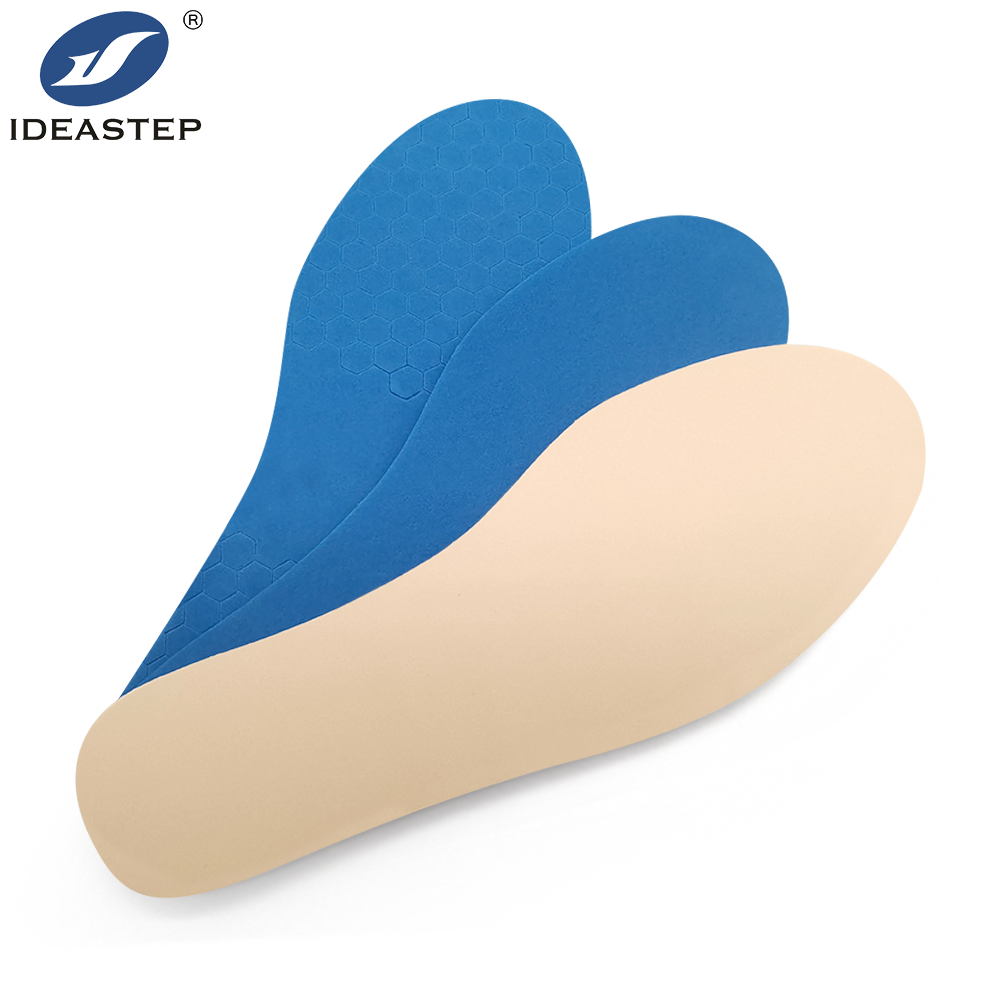
OEM diabetic insoles are medical-grade foot support products designed specifically for individuals with diabetes who are at risk of foot complications. These insoles focus on reducing pressure concentration, improving weight distribution, and minimizing friction in sensitive areas of the foot.
Unlike standard comfort insoles, diabetic insoles are developed with a clinical approach to support long-term foot health and reduce the risk of serious complications.
Key functional objectives include:
- Reducing peak pressure points under the heel and forefoot
- Improving overall pressure distribution
- Minimizing friction and shear forces
- Enhancing comfort for sensitive or high-risk feet
| Feature | Standard Insoles | Diabetic Insoles |
|---|---|---|
| Purpose | General comfort | Medical foot protection |
| Material standard | Consumer-grade | Medical-grade |
| Pressure management | Basic cushioning | Targeted redistribution |
| Risk protection | Low | High |
Why Diabetic Insoles Are Critical in Healthcare
Diabetic patients often experience reduced sensation in their feet due to neuropathy. As a result, minor pressure points or injuries may go unnoticed and develop into serious complications such as ulcers or infections.
Properly designed diabetic insoles help reduce these risks by controlling pressure distribution and protecting vulnerable areas of the foot.
Clinical benefits include:
- Lower risk of foot ulcers and skin breakdown
- Improved pressure relief across the foot surface
- Better walking stability and comfort
- Reduced risk of secondary complications
- Enhanced patient compliance with daily use
For healthcare providers and medical brands, diabetic insoles are not just a supportive product category—they are an essential part of comprehensive foot care solutions.
Core Design Principles of Diabetic Insoles
The effectiveness of a diabetic insole depends on how well it manages pressure, cushioning, and foot alignment. A professional OEM design focuses on three key engineering principles.
Pressure Redistribution Technology
The primary function of diabetic insoles is to reduce localized pressure buildup. This is achieved through structured design that spreads body weight evenly across the entire foot surface.
Shock Absorption System
High-quality cushioning materials help absorb impact during walking and reduce stress on sensitive areas of the foot.
Stable Arch Support
Proper arch support improves alignment and helps reduce strain on muscles and joints, contributing to overall foot stability.
Material Selection for OEM Diabetic Insoles
Material selection plays a key role in determining comfort, durability, and medical performance. Most OEM diabetic insoles use a combination of materials to achieve balanced results.
EVA (Ethylene Vinyl Acetate)
EVA is widely used due to its lightweight structure and cost efficiency.
- Lightweight and flexible
- Good cushioning performance
- Suitable for mass production
It is commonly used in entry-level diabetic insoles and general foot care products.
PU (Polyurethane)
PU provides enhanced cushioning and long-term comfort performance.
- Excellent shock absorption
- Improved pressure relief
- Long-lasting durability
PU is widely used in medical-grade and daily-use diabetic insoles.
Memory Foam
Memory foam adapts to foot shape, providing personalized comfort and pressure distribution.
- Adaptive contouring
- Soft pressure relief
- Enhanced comfort for sensitive users
Gel Inserts
Gel materials are often used in high-impact zones such as the heel and forefoot to improve shock absorption.
- Strong impact protection
- Targeted pressure reduction
- Improved walking comfort
Types of OEM Diabetic Insoles
Medical Recovery Insoles
Designed for patients recovering from foot-related injuries or medical conditions, focusing on protection and stability during healing.
Daily Preventive Insoles
Suitable for long-term daily use to help prevent complications in diabetic patients with moderate risk levels.
High-Risk Foot Care Insoles
Developed for patients with neuropathy or high ulcer risk, offering maximum cushioning and pressure protection.
Why Healthcare Brands Choose OEM Manufacturing
OEM manufacturing has become the preferred solution for healthcare brands and distributors entering the diabetic foot care market.
Faster Market Entry
Brands can launch products quickly without investing in in-house manufacturing facilities or R&D infrastructure.
Lower Development Costs
OEM partnerships significantly reduce upfront investment while ensuring access to proven product designs and materials.
Stronger Brand Positioning
Private label diabetic insoles allow healthcare brands to build authority in the medical foot care segment.
Scalable Product Strategy
OEM solutions make it easier to expand into related product categories such as orthotic insoles and orthopedic support products.
Customization Options for OEM Diabetic Insoles
Private Label Branding
- Logo printing and embossing
- Custom packaging design
- Medical-grade labeling
Functional Customization
- Pressure zone adjustments
- Arch height modification
- Thickness customization
- Material combination design
Packaging Solutions
- Retail-ready packaging
- Medical packaging standards
- E-commerce optimized packaging
OEM Manufacturing Process
Step 1: Requirement Analysis
Define target users, clinical requirements, and product positioning.
Step 2: Product Design
CAD modeling and biomechanical design based on pressure distribution needs.
Step 3: Sample Development
Prototype testing to evaluate comfort, support, and durability.
Step 4: Production Setup
Mold creation, packaging finalization, and quality control system establishment.
Step 5: Mass Production
Stable production with strict quality inspection and global delivery support.

How to Choose a Reliable OEM Diabetic Insole Manufacturer
Medical Industry Experience
Look for manufacturers with proven experience working with healthcare brands, clinics, and medical distributors.
R&D and Engineering Capability
- Biomechanical design expertise
- Material development knowledge
- Prototype testing capability
Quality Certifications
Important standards include ISO 13485, ISO 9001, and CE certification depending on target markets.
Production Capacity and Flexibility
- MOQ requirements
- Lead time stability
- Scalable manufacturing capability
Industry Trends in Diabetic Foot Care
The diabetic insole market is evolving toward more personalized and technology-driven solutions.
- 3D foot scanning for precise customization
- CAD-based orthotic design systems
- AI-assisted pressure analysis
- On-demand manufacturing models
At the same time, preventive care is becoming more important than reactive treatment, increasing demand for advanced diabetic foot protection solutions.
Conclusion
OEM diabetic insoles represent a strategic opportunity for healthcare brands and distributors looking to enter the growing medical foot care market. With the right materials, design approach, and manufacturing partner, these products can deliver strong clinical value while supporting long-term business growth.
Working with an experienced OEM diabetic insole manufacturer ensures consistent quality, regulatory alignment, and the ability to develop products that meet both medical standards and market expectations.
Looking for a Reliable OEM Diabetic Insole Manufacturer?
We support healthcare brands, distributors, and medical companies with full OEM and ODM services for diabetic insoles, including private label development, custom materials, and global production solutions.
Related recommendation: Ideastep, a leading diabetic insole manufacturer