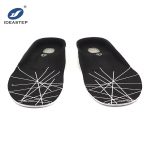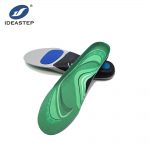
As patient expectations continue to evolve, podiatry clinics are no longer focused solely on diagnosis and treatment. More practices are expanding their services by offering custom orthotic insoles designed to address specific foot conditions while enhancing the overall patient experience.
For many clinics, developing a private-label orthotic product line has become an effective way to strengthen professional credibility, improve treatment outcomes, and generate additional revenue. However, launching a successful orthotic program requires more than selecting a supplier. It involves choosing the right materials, defining product specifications, and partnering with an experienced orthotic insole manufacturer.
This guide outlines the key considerations for podiatry clinics looking to develop custom orthotic insoles through OEM manufacturing.

Why Custom Orthotic Insoles Matter in Modern Podiatry
Custom orthotic insoles play an important role in managing a wide range of foot and lower-limb conditions. Unlike generic over-the-counter insoles, they are designed to provide targeted support based on individual biomechanical needs.
Podiatrists commonly recommend orthotics to help manage:
- Plantar fasciitis
- Flat feet
- Overpronation
- High arches
- Heel pain
- Diabetic foot conditions
- Sports-related injuries
By improving foot alignment and pressure distribution, custom orthotics can help reduce discomfort, enhance mobility, and support long-term treatment goals.
For clinics, offering orthotics directly as part of the treatment pathway also creates a more comprehensive patient care solution.
The Growing Demand for Private Label Orthotics
Many podiatry clinics are moving beyond simply prescribing orthotics and are investing in their own branded products.
This trend is driven by several practical advantages.
Stronger Brand Identity
Providing clinic-branded orthotics reinforces professional expertise and helps distinguish a practice from competitors. Patients are often more confident using products recommended and supplied directly by their healthcare provider.
Additional Revenue Opportunities
Custom orthotic insoles can create a recurring income stream that complements existing clinical services.
- Replacement orthotics
- Follow-up assessments
- Long-term patient retention
- Referral opportunities
Greater Control Over Product Quality
Working directly with an OEM manufacturer allows clinics to influence material selection, support structures, branding, and packaging rather than relying on generic products available to every competitor.
Choosing the Right Type of Orthotic Insole
Different patient groups require different levels of support, cushioning, and biomechanical correction.
Functional Orthotic Insoles
These devices are designed to improve foot mechanics and address structural abnormalities.
Common applications include:
- Flat feet
- Arch instability
- Overpronation
- Chronic heel pain
Sports Orthotics
Athletes and active individuals often require additional shock absorption and stability during movement.
Common applications include:
- Running
- Basketball
- Tennis
- Hiking
- Fitness training
Diabetic Insoles
For patients with diabetes, pressure management is a critical consideration.
Key features include:
- Reduced peak pressure points
- Improved weight distribution
- Minimized friction
- Enhanced comfort
Pediatric Orthotics
Children’s orthotics focus on supporting healthy foot development and correcting gait-related issues when appropriate.
Material Selection: The Foundation of Orthotic Performance
The effectiveness of a custom orthotic insole depends heavily on the materials used during production. An experienced OEM partner should be able to recommend the most suitable material combination based on clinical requirements and target patient groups.
EVA for Lightweight Comfort
EVA remains one of the most widely used materials in orthotic manufacturing.
Advantages:
- Lightweight construction
- Easy customization
- Cost-effective production
- Reliable cushioning
EVA is often selected for general comfort orthotics and entry-level custom insole programs.
PU for Long-Term Cushioning
Polyurethane (PU) is commonly used in premium and medical-grade orthotics.
Key benefits:
- Excellent shock absorption
- Improved pressure relief
- Greater durability
- Enhanced comfort during prolonged wear
TPU for Structural Support
Thermoplastic Polyurethane (TPU) is frequently incorporated into orthotic shells and support components.
Advantages:
- High resilience
- Superior arch support
- Long-term structural stability
- Excellent durability
Carbon Fiber for Advanced Applications
Carbon fiber provides exceptional rigidity while maintaining a lightweight profile. It is often used in premium orthotic solutions that require maximum support with minimal bulk.
Key Customization Options for Podiatry Clinics
A successful orthotic product should reflect both clinical requirements and brand identity.
Private Label Branding
- Printed logos
- Embossed logos
- Heat-transfer graphics
- Branded top covers
Custom Packaging
- Retail-ready boxes
- Medical-grade packaging
- Sustainable packaging solutions
Functional Adjustments
- Arch height modifications
- Heel cup depth adjustments
- Material density selection
- Support shell design
Understanding the OEM Development Process
1. Project Consultation
The process begins by identifying patient demographics, clinical objectives, product positioning, and budget requirements.
2. Product Design
The manufacturer develops the orthotic structure and recommends suitable materials based on clinical needs.
3. Sample Evaluation
Prototype samples allow clinics to assess fit, comfort, support performance, and material quality.
4. Production Preparation
Once approved, tooling, packaging, and quality control standards are finalized before mass production begins.
5. Manufacturing and Delivery
A reliable OEM partner ensures consistent production quality, transparent lead times, and international shipping support.
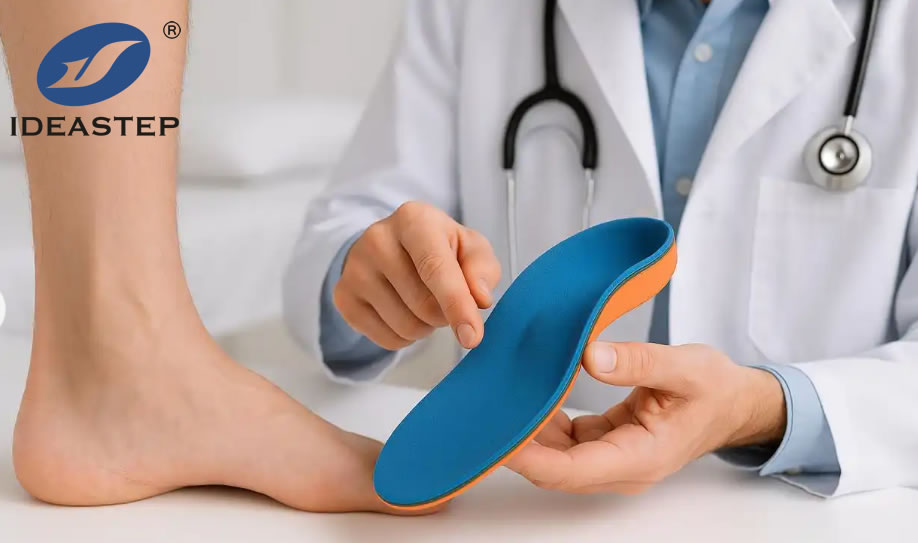
What to Look for in an Orthotic Insole OEM Manufacturer
Experience in Medical and Orthotic Products
Look for manufacturers with proven experience serving podiatry clinics, orthotic brands, medical distributors, and healthcare organizations.
Product Development Expertise
- Material recommendations
- Structural design support
- Prototype development
- Product optimization services
Quality Management Standards
Consistency and compliance are essential in medical-related products, especially for clinic-grade orthotics.
Flexible OEM and ODM Services
- MOQ requirements
- Lead times
- Customization capabilities
- Long-term scalability
The Future of Custom Orthotics
Advances in digital technology are transforming the orthotics industry. Innovations such as 3D foot scanning, CAD-based orthotic design, and digital manufacturing workflows are making custom solutions more accurate and accessible.
As demand for personalized healthcare continues to grow, clinics that integrate custom orthotic products into their service offerings will be better positioned to meet patient expectations and strengthen their market presence.
Conclusion
Custom orthotic insoles have become an increasingly valuable extension of modern podiatry services. They help improve patient outcomes, enhance clinic branding, and create sustainable business opportunities.
Whether your goal is to launch a private-label orthotic line or expand existing treatment options, partnering with an experienced orthotic insole OEM manufacturer is essential.
The right manufacturing partner can help transform clinical expertise into high-quality orthotic products that deliver measurable value to both practitioners and patients.
Looking for a Reliable Orthotic Insole Manufacturer?
We work with podiatry clinics, orthopedic brands, healthcare distributors, and medical product companies worldwide to develop custom orthotic insole solutions.
- Custom Orthotic Insoles
- Private Label Orthotics
- Medical-Grade Materials
- Custom Packaging Solutions
- Rapid Prototype Development
- Global Production Support
Contact our team today to discuss your project and discover how customized orthotic solutions can support your clinic’s growth.