Where Orthotic Foot Molds Fit Into Your Product Workflow
Many foot care brands focus heavily on finished orthotic shell performance, yet overlook the foundational role of foot molds. These molds serve as the master reference for every set of custom orthotics, directly determining how closely the final device matches an individual foot’s unique geometry. Even premium materials and precise milling cannot offset inaccuracies introduced during the molding stage.
For podiatry clinics and private label partners, consistent mold quality establishes a repeatable baseline across all orders. Whether your team uses traditional plaster casting or physical molds generated from digital foot scans, this step forms the biomechanical starting point. Minor inconsistencies in mold capture frequently lead to poor fit, extra adjustment requests and uneven clinical feedback that gradually erode brand credibility.
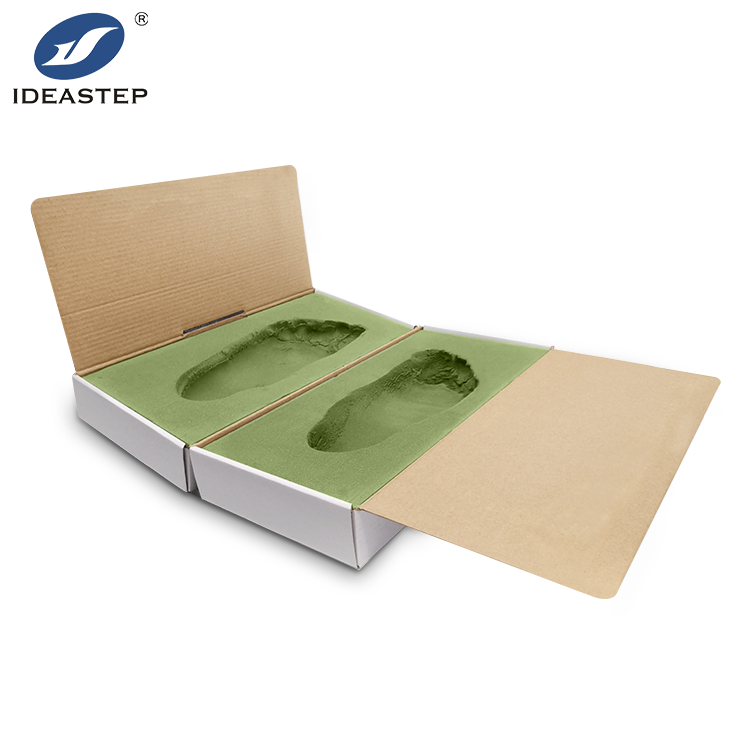
Key Mold Types and Their Use Cases for B2B Buyers
Not all orthotic foot molds are designed for the same operational objectives. Plaster negative molds remain widely adopted in established podiatry practices. They give clinicians full control over casting pressure and soft tissue positioning, making them suitable for complex cases such as diabetic foot presentations, severe overpronation and post-surgical foot structures.
Digital positive molds, built from foot scan datasets, are better suited for high-volume branded production. They simplify file archiving, remote sharing between clinics and manufacturing labs, and repeat reorders for returning patients. This approach eliminates the overhead of physical inventory and shipping costs associated with sending plaster casts back and forth.
Reusable master molds represent another practical option for brands building standardized semi-custom lines. They support controlled variations for common arch profiles and foot types, balancing customization flexibility with lower per-unit production costs. This style works well for partners in sports medicine and athletic footwear, where requirements are less granular than patient-specific clinical prescriptions.
Quality Checks to Reduce Mold Related Orthotic Rework
Rework is one of the most significant hidden costs for custom orthotic programs, and flawed molds are the leading cause. Your quality protocol should include formal validation checks before fabrication commences. Inspect each mold for distortion, air pockets, uneven wall thickness or misalignment across the toe, heel and medial arch contours.
Mold service life also influences repeat order planning. Plaster molds are single-use by nature, matching the needs of one-off patient prescriptions. Polymer or resin positive molds retain their shape through multiple milling cycles, delivering better cost efficiency for brands reordering identical orthotic specifications. Clearly communicate these durability limits to clinical buyers so they can structure workflows accordingly.
Standardized labeling and traceability are equally critical. Every mold should carry identifiers that link it to scan records, practitioner notes and prescription details. This simple step accelerates revisions and supports audit trails required for medical device compliance across most global markets.
Align Mold Specifications With Your Manufacturing Process
Your chosen mold format must align with the capabilities of your fabrication lab. CNC milling depends on stable positive molds with fixed reference markers. 3D printed orthotic workflows typically draw directly from digital mold files, cutting out physical casting entirely. Mismatched formats create delays, extra handling and avoidable production errors.
When building an OEM partnership, confirm your supplier accepts your preferred mold input. Some labs specialize in converting plaster casts, while others are optimized for digital mold file uploads. Brands serving mixed customer bases gain an advantage with suppliers that support both pathways, letting clinics keep their existing casting routines while larger batch orders run from digital molds.
It is also wise to formalize mold trimming standards. Excess material or poorly defined borders on the mold will carry through to the orthotic shell, increasing labor spent on final finishing. Sharing clear submission guidelines with your clinical partners reduces bottlenecks in your production queue.
How Better Molds Improve Your Brand’s Competitive Edge
Most orthotic suppliers compete primarily on material grades and lead times. Stable, well-documented mold workflows create a distinct selling proposition you can present to clinics and distributors. Clinicians value fewer patient returns, reduced follow-up adjustments and predictable clinical outcomes. These benefits foster long-term partnerships instead of one-off transactional orders.
You can package this capability as part of your core service. Supply casting guides, mold validation checklists and sample reference sets for new clinic clients. This technical support helps their staff capture higher-quality molds from the start, lowering friction across the entire supply chain.
Work With a Supplier That Prioritizes Mold Validation
Orthotic foot molds are the unseen backbone of reliable custom orthotics. Refining your product line around consistent mold capture and review cuts rework rates, stabilizes clinical results and differentiates your brand from competitors that treat casting as a secondary task.
Connect with our team to review accepted mold formats, casting guidance and private label production options tailored to your clinic or brand order profile.
Related Post: What are the methods of making foot molds for custom insoles?.