Developing orthotics for women involves more than adjusting insole dimensions or appearance. Foot proportions, footwear construction, support requirements, and material performance all influence the final product design. For manufacturers and wholesale suppliers, these factors need to be considered together to create orthotic products suited to different market segments.
A well-designed women’s orthotic insole combines appropriate arch geometry, heel structure, forefoot configuration, and material selection. Each component must also meet the requirements of the intended footwear and manufacturing process.
For orthotic brands, podiatry suppliers, and footwear companies, understanding these design factors is essential when developing customized products for wholesale markets.
1. Key Design Considerations for Women’s Orthotics
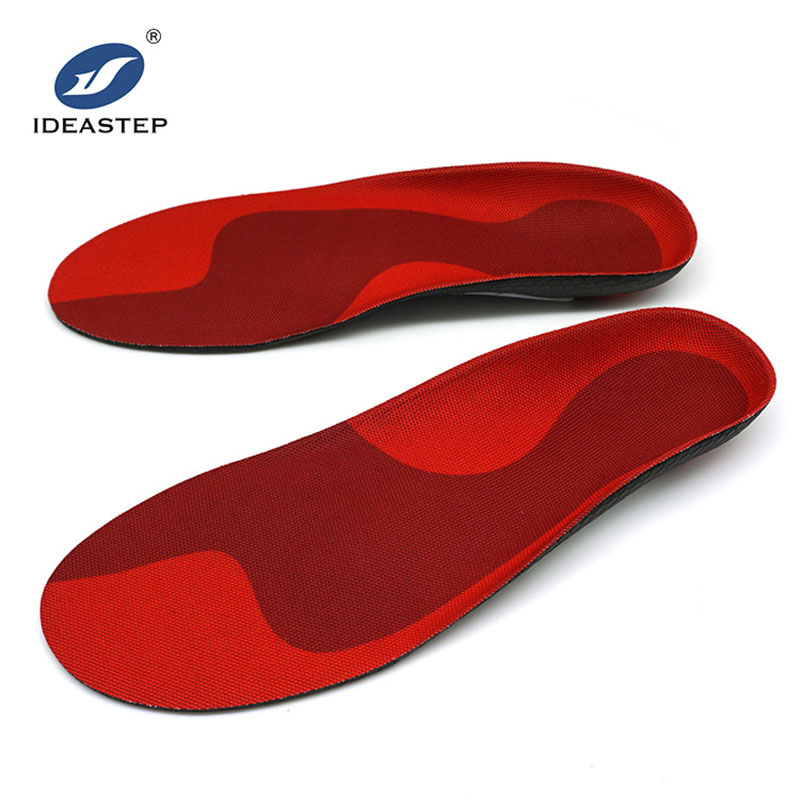
Women’s orthotics serve different applications, including everyday footwear, athletic shoes, work footwear, and specialized orthotic systems. Each application has distinct requirements, so the product structure should be defined before material selection and tooling development.
The main design factors include:
- Foot dimensions: Length, width, heel width, and forefoot proportions determine the basic insole geometry.
- Arch profile: Arch height, contour, and position define the shape of the midfoot support structure.
- Heel construction: Heel cup depth, width, and angle influence the rearfoot design.
- Footwear compatibility: Internal shoe space, heel height, and toe-box shape affect insole thickness and profile.
- Product application: Athletic, work, casual, and dress footwear may require different material combinations and structural configurations.
Women’s footwear does not follow one universal dimensional standard. Manufacturers should therefore develop specifications around the target size range and footwear category rather than relying on gender alone.
2. Customized Support Structures
The structure of an orthotic insole determines how its different components work together. Manufacturers can adjust individual sections to meet specific product requirements instead of using one standard construction across all designs.
Arch Support
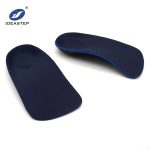
Arch support can vary in height, length, contour, and rigidity. Full-length designs provide a continuous midfoot structure, while shorter configurations may suit selected 3/4-length products.
Important specifications include:
- Arch height and position
- Medial and lateral contours
- Support length
- Structural rigidity
- Transition between the arch and heel sections
EVA, polypropylene (PP), and thermoplastic polyurethane (TPU) are commonly considered for different support structures. The appropriate material depends on the required stiffness, flexibility, and forming process.
Heel Cup
Heel cup geometry is another key part of orthotic design. Manufacturers should define its depth, width, wall angle, and connection to the arch section according to the intended construction.
These dimensions need to work together. Changes to the heel profile can affect the overall insole shape and its compatibility with the footwear.
Forefoot Cushioning and Metatarsal Support
The forefoot may require a different thickness or material composition from the midfoot and heel. Depending on the product specification, manufacturers can incorporate cushioning layers, metatarsal pads, or shaped forefoot sections.
Common options include:
- Localized forefoot cushioning
- Integrated or attached metatarsal pads
- Multi-density foam layers
- Flexible top covers
- Tapered forefoot profiles
Component position and thickness should be recorded in the product drawings or approved sample specifications to maintain consistency during production.
3. Material Selection for Women’s Orthotics
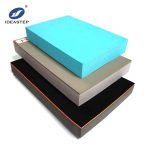
Material selection affects the structure, flexibility, weight, and processing requirements of an orthotic insole. Each material should serve a defined role within the construction.
| Material | Common Application | Key Considerations |
|---|---|---|
| EVA Foam | Cushioning layers and molded structures | Available in different densities and hardness levels |
| Polypropylene (PP) | Rigid and semi-rigid support shells | Suitable for structured support components |
| TPU | Flexible structural components and reinforcement | Flexibility varies by material grade |
| PU Foam | Cushioning layers and molded components | Available in different densities and formulations |
| PORON-type Materials | Localized cushioning components | Thickness and compression characteristics |
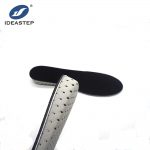
| Microfiber and Fabric | Top covers and surface finishing | Texture, thickness, bonding, and wear resistance |
Multi-layer constructions require particular attention to material compatibility. For example, an EVA base can be combined with a PP support shell and a fabric top cover. The bonding method, layer thickness, and material properties must suit the intended production process.
A complete material specification should identify relevant details such as density, hardness, thickness, and color.
4. Adapting Designs to Different Footwear
Footwear construction places practical limits on orthotic dimensions and structure. A design developed for athletic shoes may not fit the internal space of dress shoes or other low-profile footwear.
Athletic and Casual Footwear
These footwear categories generally offer more internal volume for full-length insoles, cushioning layers, and defined arch structures. Design development should still account for the removable footbed, toe-box shape, and available internal depth.
Work and Occupational Footwear
Work footwear may require durable materials and a balanced combination of cushioning and structural support. Depending on the application, manufacturers can consider reinforced base layers, abrasion-resistant top covers, and multi-density constructions.
Dress and Low-Profile Footwear
Limited internal space often requires thinner constructions, tapered forefoot sections, and carefully controlled heel and arch profiles. A 3/4-length design may be considered when a full-length insole is not compatible with the footwear dimensions.
The final configuration should always be checked against the actual shoe specifications.
5. Custom Orthotic Development Process
A defined development process helps control design revisions and reduces inconsistencies between samples and bulk production.
Step 1: Confirm Product Requirements
The project brief should cover:
- Intended footwear category
- Target size range
- Full-length or 3/4-length construction
- Arch and heel specifications
- Cushioning requirements
- Material preferences and thickness
- Estimated order quantity
Clear requirements give the development team a basis for structural design and material planning.
Step 2: Develop the Structural Design
Product requirements are translated into technical drawings or digital models. The design should define the insole outline, arch geometry, heel cup dimensions, forefoot profile, and layer arrangement.
CAD modeling helps confirm component dimensions and their relationship before sample production.
Step 3: Produce and Review Samples
Samples allow buyers and manufacturers to assess the physical construction before bulk production. Key inspection points include:
- Overall dimensions and shape
- Arch and heel geometry
- Material hardness and flexibility
- Layer bonding
- Surface finish
- Compatibility with the intended footwear
Required changes should be documented in revised drawings or sample specifications. This ensures that both parties work from the same approved reference.
Step 4: Finalize Production Requirements
After sample approval, the manufacturer can confirm tooling, materials, processing methods, and inspection criteria.
Depending on the design, production may involve die cutting, thermoforming, compression molding, CNC machining, or other suitable processes. The selected method should match the product structure and required production volume.
6. Customization for Wholesale and Private-Label Projects
For orthotic distributors and footwear brands, customization supports product differentiation across different market segments. The scope should be based on clear product requirements and manufacturing feasibility.
| Customization Area | Available Options |
|---|---|
| Insole Structure | Full-length, 3/4-length, semi-rigid, multi-layer |
| Arch Design | Different heights, contours, and support lengths |
| Heel Construction | Standard or deep heel cup, customized rearfoot profile |
| Material Combination | EVA, PP, TPU, PU foam, fabric, cushioning materials |
| Surface Design | Microfiber, fabric, printed patterns, customized colors |
| Branding | Logo printing, labeling, private-label packaging |
| Size Range | Customized sizing and product grading |
OEM and ODM projects may include structural adjustments, material combinations, branding, and packaging. Before production, buyers should confirm the approved sample, technical drawings, size specifications, and packaging details.
For repeat wholesale orders, maintaining approved specifications is essential to keeping product construction consistent across batches.
7. Quality Control in Manufacturing
Consistent production depends on controlling both material properties and structural dimensions. Variations in thickness, arch height, heel cup geometry, or material hardness can affect the finished product.
A practical inspection process should cover three stages:
Incoming material inspection: Verify material type, dimensions, density, hardness, and appearance against approved specifications.
In-process inspection: Monitor cutting accuracy, molding conditions, component positioning, and bonding quality.
Finished product inspection: Check dimensions, structural geometry, surface condition, and workmanship. Compare production samples with the approved reference where required.
Manufacturers should also retain drawings, material specifications, and sample records. These documents provide a reliable reference for repeat orders and future design revisions.
8. Choosing a Custom Orthotic Insole Manufacturer
A suitable manufacturing partner should be able to translate product requirements into consistent production specifications. Price is only one consideration; technical capability and production control also matter.
When evaluating suppliers, buyers should review:
- Experience with different orthotic insole structures
- Material and structural customization options
- CAD modeling and tooling capabilities
- Sample development and revision procedures
- Capacity for wholesale production
- Quality inspection and batch documentation
- OEM/ODM and private-label services
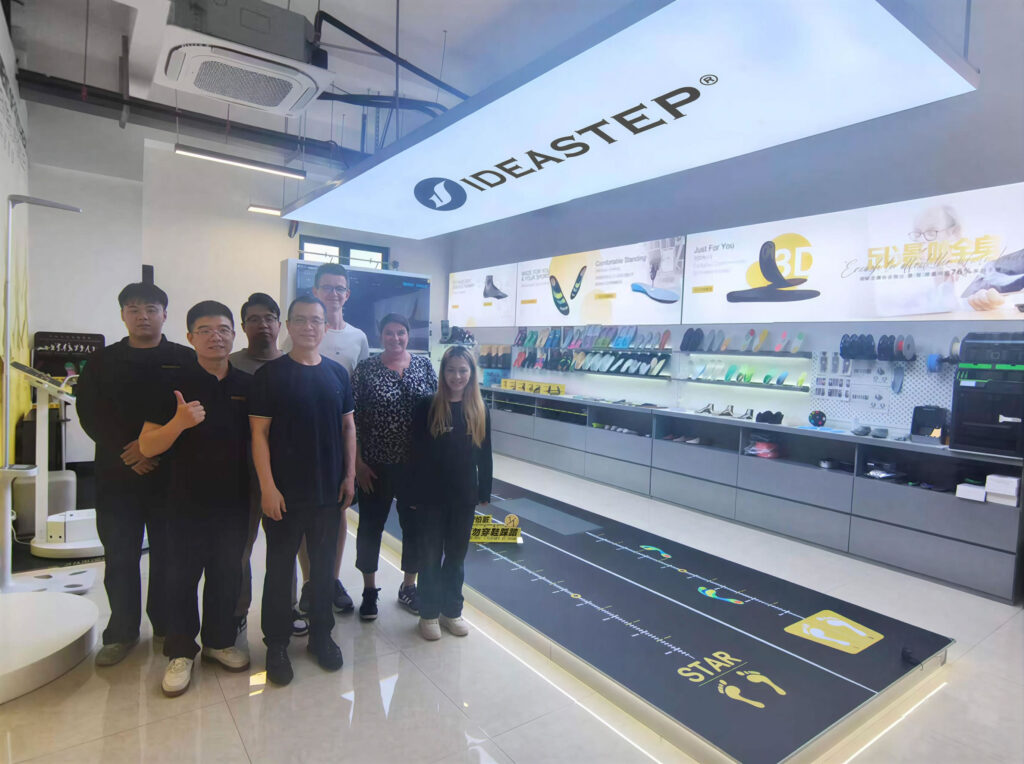
Ideastep supports B2B orthotic insole projects involving customized structures, material combinations, and manufacturing requirements. Product development can be based on technical drawings, reference samples, target dimensions, and branding specifications.
Early confirmation of these details helps reduce revisions and provides a clearer basis for bulk production.
Discuss Your Women’s Orthotic Insole Project
Developing orthotics for women requires careful coordination of insole geometry, material selection, footwear compatibility, and manufacturing processes. Clear technical specifications help turn a product concept into a repeatable production design.
If you are sourcing customized orthotic insoles for a brand, distribution business, podiatry supplier, or footwear project, contact our team to discuss your product specifications, target sizes, material requirements, and OEM/ODM options.