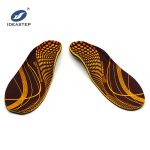
How Custom Feet Orthotics Differentiate Your Foot Care Portfolio
Most foot care brands rely heavily on off-the-shelf insoles. These commodity items are easy to source but locked in fierce price competition, leaving little room to build premium brand authority. Custom feet orthotics open a separate, higher-value segment that generic insoles cannot touch.
For podiatry practices, rehabilitation clinics and specialty foot care distributors, this product line lets you position the brand around biomechanical solutions rather than simple cushioning accessories. Clinicians and institutional buyers prioritize consistent clinical performance above low pricing. A stable custom orthotic offering helps you retain long-term accounts and unlock tender or wholesale channels that reject mass-market foot products.
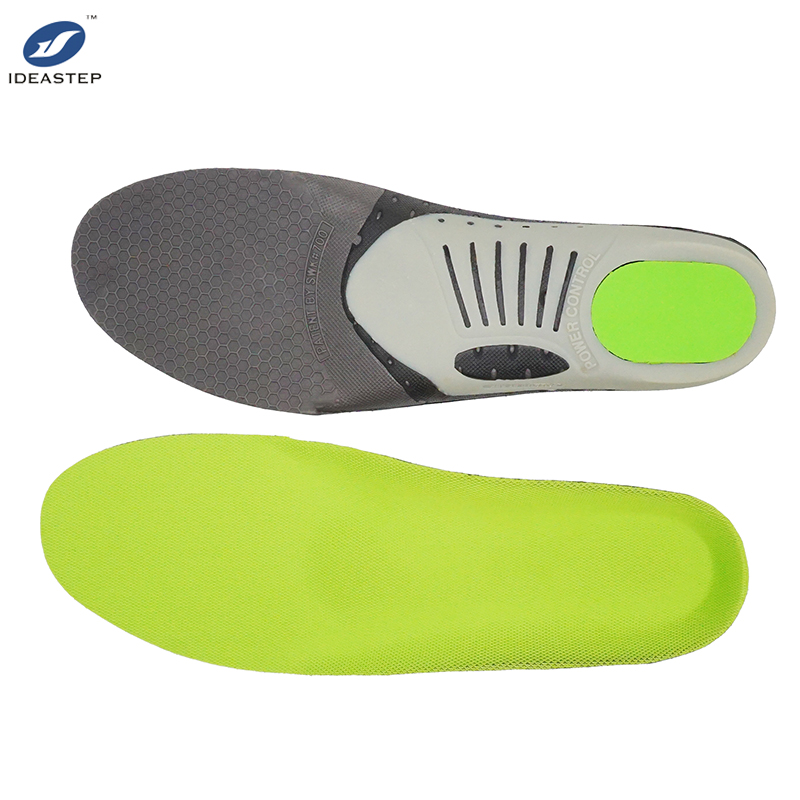
Align Product Specifications With Your Target Buyer’s Use Cases
Before rolling out custom orthotics under your brand, map your specs directly to the groups you serve. Clinic-focused lines need traceable material certificates and documentation that aligns with regional medical device requirements. Brands selling into athletic retail can lean into lighter builds, durable top covers and discreet branding options on shells and packaging.
Material choices define which markets you can serve. Rigid and semi-rigid TPU works best for structural correction for high arches, abnormal gait patterns and post-injury support. Blended EVA suits active users needing shock absorption without heavy correction. Cork composite orthotics remain popular for clients seeking natural, temperature-stable support with moderate control.
Digital fabrication routes also change your commercial model. CNC milling is better suited for small, clinic-led orders with frequent individual adjustments. 3D printing becomes more cost-effective once you lock repeatable templates for branded batch production. Many brands keep both workflows available to cover mixed order sizes from their customer base.
OEM Partnerships Cut The Heavy Overhead Of In House Fabrication
Setting up an orthotic lab internally means investing in scanning hardware, milling equipment, certified lab staff and strict quality control protocols. That capital barrier keeps many foot care brands out of the custom orthotic space entirely.
Partnering with an established orthotic manufacturer removes that upfront risk. Reliable suppliers handle scan validation, shell modification, surface finishing and private label packaging. Your team stays focused on client relationships, brand positioning and sales outreach instead of production troubleshooting.
Flexible MOQ terms are especially valuable for newer lines. Small initial runs let you test market reception, refine branding details and collect feedback from podiatrists before committing to large stock volumes. Strong suppliers also supply technical sales resources, including spec sheets and biomechanics reference material for your sales team.
Key Operational Risks When Scaling Custom Orthotics
One common misstep is marketing custom orthotics as a premium upgrade to standard insoles. Buyers and clinicians need clear expectations around fitting protocols, follow-up adjustments and usable service life. These devices are built to address individual gait mechanics, not general foot fatigue.
Regional compliance rules are another major point of oversight. Orthotic classification, labeling and record-keeping requirements vary widely across markets. Confirm your supplier can provide all required test records and compliance paperwork before you market to medical or clinic buyers. Overpromising turnaround times is also easy to avoid; custom fabrication will always require longer lead times than ready-made goods.
Targeted Go To Market Tactics For Orthotic Line Launches
Avoid broad, unfocused outreach. Narrow your ICP first. If your brand leans clinical, lead with podiatry clinics and physical therapy groups. If you target athletic markets, focus on sports medicine providers and specialty footwear retailers.
Sample kits should be tailored for each segment. For clinical buyers, include material samples and case references showing gait correction outcomes. For retail partners, emphasize durability, branding options and batch consistency. Educational content works well here, but keep it practitioner and buyer focused. Case summaries, material comparison sheets and workflow guides help buyers understand how custom orthotics integrate into their existing service or product lineup. Skip consumer-facing language entirely.
Start Your Custom Orthotic Line With A Proven Supply Partner
Custom feet orthotics are not just an add-on product. They create a distinct premium lane for foot care brands looking to move beyond commodity insole sales. With clear product framing, compliant documentation and a manufacturing partner that supports flexible order sizes, you can win high-value professional accounts and expand your footprint in the global foot care market.
Get in touch to talk through sample options, private label branding and production timelines that match your launch schedule.
Recommended Reading: Custom Orthotics for Feet: Developing Insole Solutions for Wholesale Buyers.