Foot molds are an important reference in custom orthotic development. They capture foot geometry and provide a basis for shaping orthotic devices with defined arch profiles, heel contours and forefoot dimensions. For orthotic laboratories, podiatry suppliers and footwear manufacturers, the choice of molding method affects design accuracy, model preparation and production consistency.
Depending on the project, manufacturers may use plaster casts, foam impressions or digital scans to obtain foot shape data. Each method has different requirements for handling, modification and subsequent manufacturing. Understanding these differences helps B2B buyers select suitable foot mold solutions for their product specifications.

1. Understanding Foot Molds for Orthotics
Foot molds reproduce the shape of the foot in either physical or digital form. They serve as references for developing custom orthotic devices and preparing models for further processing.
In orthotic manufacturing, two forms are commonly involved:
- Negative molds: Capture the foot’s shape through an impression. Plaster casts and foam impression boxes are common examples.
- Positive models: Reproduce the foot’s shape from a negative impression or digital data. Technicians use them as a reference for modifying contours and producing orthotic components.
The distinction matters because capturing foot shape and preparing a production model are separate steps. A negative impression may require correction or conversion before it can be used in subsequent manufacturing.
Typical design references include arch height, heel width, heel cup depth, forefoot contour and overall foot dimensions. These measurements help define the geometry of the finished orthotic product.
2. Common Foot Mold Methods
The method used to capture foot shape depends on the required level of detail, project workflow and available equipment.
Plaster Casting
Plaster casting creates a negative impression of the foot. A technician applies plaster bandage material to capture the required contours. Once the plaster sets, the cast can be used to produce a positive model.
One advantage of this method is the ability to make direct manual adjustments. Technicians can modify the resulting model to refine the arch, heel and forefoot areas.
However, plaster casting requires hands-on preparation and careful handling. The quality of the cast also depends on positioning and the technician’s technique.
Foam Impression Boxes
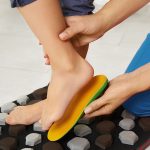
Foam impression boxes capture the plantar surface through compression. The foot is pressed into a foam block, leaving an impression that represents its shape.
This method is relatively simple and avoids plaster preparation. It can provide a practical starting point for certain orthotic workflows.
However, impression depth and shape depend on pressure and foot positioning. Manufacturers should assess the impression carefully before using it as a reference for a production model.
Digital Foot Scanning
Digital scanning captures foot geometry and converts it into a three-dimensional model. The data can then be reviewed and modified in CAD software.
Digital models are easier to store, transfer and revise than physical impressions. They also provide a consistent reference for projects involving multiple models or repeat production.
The accuracy of the resulting data depends on scanning equipment, capture technique and foot positioning. Manufacturers should confirm that the scan contains sufficient detail for the intended orthotic design.
3. Foot Mold Structure and Design Considerations
A useful foot mold must capture the areas that influence the geometry of the intended orthotic product. Design requirements should be defined before model modification or tooling begins.
Arch Contour
The arch region requires accurate shape representation. Its height, length and contour determine the profile available for the orthotic design.
Different product specifications may call for low, medium or high arch profiles. Manufacturers should work from approved measurements or reference models rather than relying on general assumptions.
Heel Geometry
The heel area affects the shape of the rearfoot section. Important dimensions include heel width, cup depth, wall height and the transition between the heel and midfoot.
These details should match the intended product structure and available footwear space.
Forefoot Profile
The forefoot section includes the metatarsal region and toe area. Its width, contour and transition into the midfoot should reflect the required product dimensions.
For projects involving different shoe models, manufacturers may need to account for variations in internal shoe volume and available forefoot space.
Left and Right Foot Differences
Foot molds should reflect the shape of each foot rather than assume identical left and right profiles. When a project requires paired orthotic products, both sides should be checked against their respective reference data.
This is particularly important when the design includes different contours or dimensions between the two feet.
4. Materials Used in Foot Mold Production
The material should match the mold’s purpose. A temporary impression, a positive model and reusable production tooling have different requirements.
| Material | Main Characteristics | Typical Use |
|---|---|---|
| Plaster | Easy to shape and modify manually | Negative casts and positive models |
| Impression Foam | Compressible and lightweight | Foot impression boxes |
| Resin | Can produce firm models with detailed surfaces | Positive models and prototypes |
| Plastic | Available in different grades and processing options | Mold components and tooling |
| Aluminum | Rigid and suitable for machining | Reusable production tooling |
When selecting a material, manufacturers should consider dimensional stability, surface finish, processing compatibility and expected service life. For reusable tooling, durability and resistance to repeated processing are particularly important.
5. From Foot Impression to a Finished Mold
Turning a foot impression into a usable model requires more than simply reproducing its outline. Each stage should preserve the relevant dimensions and structural details.
Step 1: Capture the Foot Shape
The process begins with plaster casting, a foam impression or digital scanning. The selected method should provide enough information for the intended orthotic structure.
Step 2: Inspect the Impression or Scan
Technicians check for incomplete areas, distortion and irregular contours. For digital files, they also verify scale, orientation and model integrity.
Step 3: Create and Adjust the Positive Model
The negative impression or digital data is used to prepare a positive model. Technicians can then refine the arch contour, heel shape and forefoot profile according to the approved specifications.
Step 4: Produce the Mold or Tooling
The model can be produced through plaster preparation, resin processing, CNC machining or 3D printing, depending on its intended use.
If the project requires reusable production tooling, the manufacturer must also consider the material and processing conditions of the subsequent forming operation.
Step 5: Check the Final Geometry
The finished mold should be compared with the approved reference. Key checks include dimensions, arch contour, heel geometry, forefoot shape and surface condition.
Any required corrections should be completed before the mold moves into production.
6. Manufacturing Technologies for Orthotic Foot Molds
Different technologies support different stages of mold development.
Manual modification allows technicians to refine physical models using hand tools and suitable materials. It is useful when a project requires direct adjustments to individual models.
CNC machining converts digital geometry into a physical model or tool by removing material from a selected block. It supports controlled dimensions and repeatable machining based on approved design files.
3D printing builds physical models from digital data. It is useful for prototype development, checking complex contours and reviewing model geometry before further processing.
The choice depends on model complexity, material requirements, dimensional tolerances and production volume. These methods should be selected according to the function of the mold, not treated as interchangeable processes.
7. What to Confirm Before Ordering Custom Foot Molds
Clear technical information helps avoid unnecessary revisions during custom development. Before placing an order, B2B buyers and manufacturers should confirm:
- Reference format: Plaster cast, foam impression, 3D scan or existing model.
- Product dimensions: Foot length, width and other required measurements.
- Structural details: Arch profile, heel cup geometry and forefoot contour.
- Mold purpose: Whether the project requires a negative impression, positive model or reusable production tool.
- Material requirements: Material type, rigidity, durability and processing compatibility.
- File specifications: Digital format, scale and version, where applicable.
- Inspection requirements: Critical dimensions and acceptable tolerances.
These details give the manufacturer a clearer basis for evaluating the production method and confirming the mold specifications.
8. Custom Foot Mold Support from Ideastep
Orthotic projects often involve specific foot shapes, structural requirements and tooling preferences. A standard mold may not meet every project’s dimensional or design requirements.
Ideastep works with B2B customers on custom orthotic insole development and manufacturing. Project discussions can cover reference models, technical drawings, material options and suitable production methods.
For custom projects, buyers can provide existing samples, drawings or digital files for technical review. This helps establish the required mold geometry and clarify the next steps before production.
Discuss Your Custom Foot Mold Requirements
The right foot mold starts with accurate shape data and a clear understanding of its intended use. Plaster casting, foam impressions and digital scanning each offer different advantages, while material and manufacturing choices determine how the model can be prepared and used.
For orthotic laboratories, wholesalers and footwear manufacturers, clear specifications help make custom mold development more predictable.
Contact Ideastep to discuss your orthotic product requirements, reference models and custom manufacturing needs.
Recommended Reading: One Insole Design Does Not Fit Every Market: How Custom Fit Insoles Help Brands Adapt.