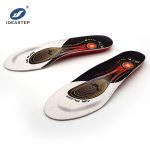
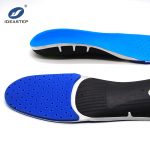
Orthotic arch support inserts are important components in custom and semi-custom insole production. Their material, shape and structural properties influence the construction and consistency of the finished product. For wholesalers, distributors and orthotic product manufacturers, sourcing these components involves more than comparing prices. Material quality, dimensional accuracy, customization options and production capacity all matter.
Some projects require standard components for regular production, while others call for specific materials, profiles or dimensions. Understanding these requirements helps buyers select suitable products and manufacturing partners.
This guide covers the key considerations when sourcing orthotic arch support inserts, from material selection and customization to quality control and bulk order planning.
1. Understanding Orthotic Arch Support Inserts
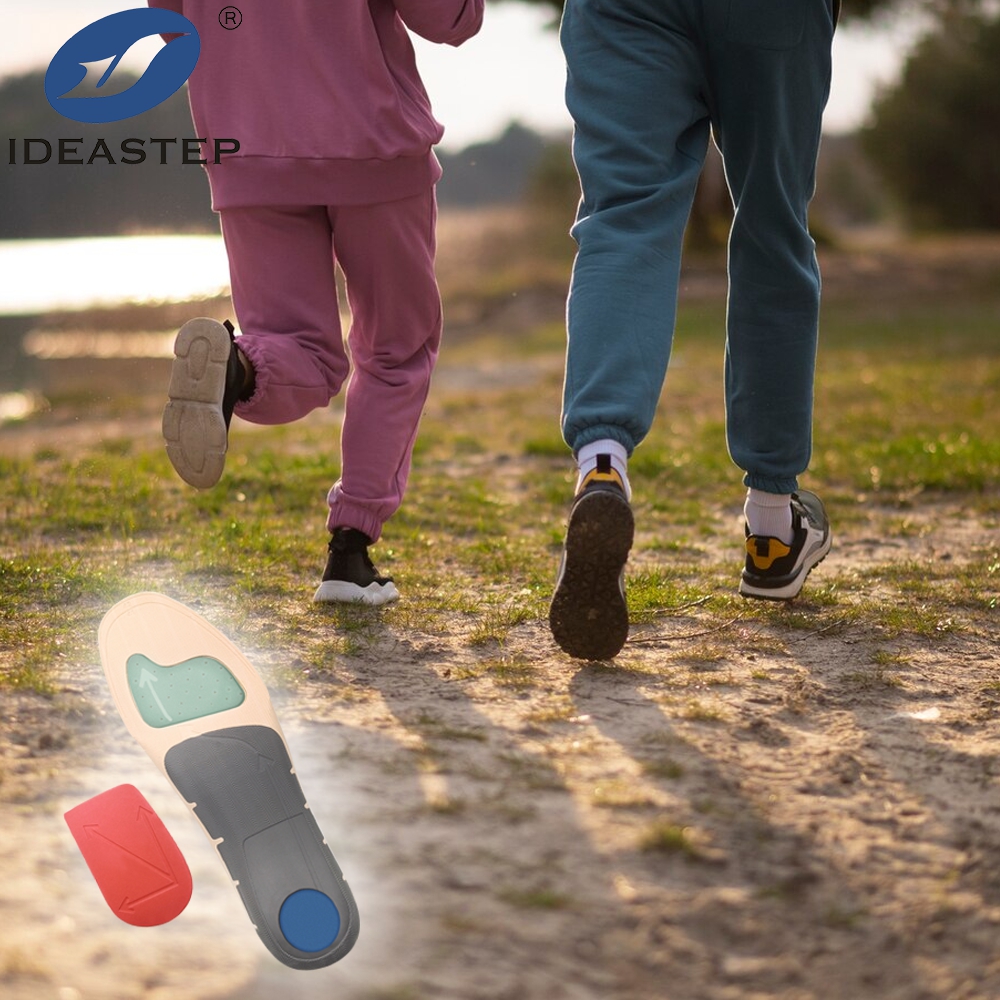
Orthotic arch support inserts are structural components designed to create a defined arch profile within an insole or orthotic system. They can be supplied separately or integrated into a complete insole construction.
Common applications include:
- Custom and semi-custom orthotic insoles
- Sports and athletic footwear
- Work and safety footwear
- Foot-care and orthotic products
- Specialized footwear and rehabilitation products
For wholesale purchasing, buyers should first determine whether they need standalone arch support components or inserts designed for integration into a complete insole. This affects material selection, dimensions and manufacturing methods.
2. Materials Used in Orthotic Arch Support Inserts
Material selection affects an insert’s weight, flexibility, rigidity and processing requirements. Different materials suit different designs, so buyers should consider the intended construction rather than price alone.
Polypropylene (PP)
PP is commonly used in rigid and semi-rigid orthotic shell components. It offers good structural stability and can be shaped through suitable thermoforming processes.
Key characteristics:
- Available in different grades and thicknesses
- Suitable for structured arch profiles
- Compatible with thermoforming
Final rigidity depends on material grade, thickness and component geometry.
Thermoplastic Polyurethane (TPU)
TPU is available in different hardness grades and formulations. Depending on the selected grade, it can provide varying levels of flexibility, elasticity and structural support.
Buyers should specify the required hardness and structural characteristics, as the general material name alone does not determine performance.
Ethylene-Vinyl Acetate (EVA)
EVA is widely used in footwear and orthotic insole production. Its density and hardness can be adjusted for different cushioning and structural applications.
Key characteristics:
- Lightweight construction
- Various density and hardness options
- Compatibility with selected molding and cutting processes
Its suitability for arch support components depends on the formulation and overall design.
Polyurethane (PU)
PU covers a broad range of formulations. Flexible PU foams are commonly used in cushioning components, while other PU systems serve different molding or structural purposes.
When selecting PU, buyers should confirm its density, hardness, formulation and compatibility with the intended manufacturing process.
3. Key Design Factors
Material selection is only part of the specification. The insert’s shape and dimensions must also match the intended insole construction.
Arch Height and Profile
Arch height and contour are central design variables. Buyers should provide drawings, reference samples or dimensional specifications covering the required height, length, width and curvature.
Consistent geometry is particularly important in bulk production, where dimensional variations can affect assembly and product consistency.
Length, Thickness and Rigidity
Arch support inserts may be full-length, 3/4-length or partial components. Their thickness and rigidity depend on material properties, geometry and the intended application.
A clear specification should include:
- Material type and grade
- Required dimensions and thickness
- Hardness or rigidity
- Dimensional tolerances
- Intended assembly method
Component Integration
Some inserts are designed to work with heel cups, foam layers or other structural elements. Buyers should confirm whether the arch support is a standalone component or part of a larger molded shell to ensure compatibility during assembly.
4. Customization Options for Wholesale Orders
Customization allows wholesalers and brands to develop components that match their product specifications. Depending on the manufacturer’s capabilities, options may include:
| Customization Item | Possible Specifications |
|---|---|
| Material | PP, TPU, EVA and selected PU formulations |
| Arch Profile | Height, contour and curvature |
| Dimensions | Length, width and thickness |
| Rigidity | Material grade and structural configuration |
| Color | Subject to material and production requirements |
| Component Integration | Heel cups, foam layers and top covers |
| Branding | Logo and private-label options |
For OEM and ODM projects, buyers can provide technical drawings, physical samples or reference specifications. The manufacturer can then assess material compatibility, tooling requirements and production feasibility.
Confirming the main specifications before tooling and mass production helps avoid unnecessary design changes and additional costs.
5. Manufacturing Methods
The appropriate manufacturing method depends on the material and required component geometry.
Thermoforming
Commonly used with compatible thermoplastics such as PP. The material is heated, shaped over a mold and cooled to retain the required profile.
Compression Molding
Suitable for selected EVA materials and other moldable compounds. Heat and pressure form the material into the required shape.
Injection Molding
Used with compatible thermoplastics and suitable for repeatable production at scale. Tooling investment and expected order volume should be considered.
CNC Processing
A machining method used to shape suitable foam blocks and other machinable materials according to digital design data. It is useful for components requiring specific contours or controlled dimensions.
6. Quality Control for Bulk Orders
Consistent quality requires attention to materials, production processes and finished dimensions. Buyers should agree on inspection requirements before placing an order.
A basic inspection process should cover:
- Incoming Materials: Check material type, grade, thickness, density and hardness against the agreed specifications.
- In-Process Inspection: Monitor arch height, contour, dimensions and surface condition during production.
- Finished Product Inspection: Compare completed inserts with the approved sample and agreed tolerances before shipment.
The approved sample should serve as the reference for bulk production. Clear inspection criteria give both parties a consistent basis for checking product quality.
7. Choosing a Wholesale Arch Support Insert Supplier
Unit price is only one factor in supplier selection. Buyers should also evaluate:
- Material Expertise: Knowledge of material grades, hardness and suitable applications.
- Customization Capability: Ability to adjust profiles, dimensions and structural specifications.
- Manufacturing Capacity: Suitable equipment and production processes for the required design.
- Quality Management: Material checks, dimensional inspections and finished-product control.
- OEM/ODM Support: Assistance with samples, private labeling and customized packaging.
A supplier with appropriate technical and production capabilities can help reduce specification errors and maintain consistency across repeat orders.
8. Planning Bulk Orders: MOQ, Samples and Lead Time
Before confirming a purchase order, buyers should settle the technical specifications and commercial terms.
Minimum Order Quantity (MOQ)
MOQ varies according to material, product structure, tooling requirements and manufacturing process. Buyers should clarify whether the minimum applies to each size, color, material or design. Customized components may also involve additional tooling or setup costs.
Sample Approval
Samples allow buyers to check dimensions, material, hardness, surface finish and compatibility with the intended insole construction. Once approved, the sample should serve as the production reference. Any later changes should be documented and confirmed.
Lead Time and Delivery
Production time depends on material availability, tooling preparation, order quantity and design complexity. Packaging, shipping arrangements and delivery schedules should also be agreed upon before production begins.
9. Wholesale Orthotic Arch Support Inserts from Ideastep
Ideastep supplies orthotic insole components and provides customized manufacturing support for wholesalers, distributors, orthotic product suppliers and footwear-related businesses.
Depending on project requirements, our services can include:
- Material selection, including EVA and suitable thermoplastics
- Customized arch profiles and dimensions
- Adjustments to thickness and structural characteristics
- Integration with foam layers and other insole components
- OEM and ODM development
- Private-label branding and customized packaging
- Sample development before bulk production
For wholesale projects, sharing material preferences, design references, dimensions and estimated order quantities at the beginning helps our team assess production feasibility and discuss suitable options.
10. Discuss Your Wholesale Arch Support Requirements
Whether you need standard arch support inserts or customized components for a specific insole design, clear specifications are essential to an efficient production process.
Send our team your drawings, reference samples, material preferences and estimated order quantity. We can review your requirements and discuss suitable manufacturing options, samples and bulk production.
Contact our team to discuss orthotic arch support inserts, OEM/ODM development and wholesale orders.
Related Articles: How to Choose Orthotic Arch Support Inserts for Your Footwear Brand.