Custom fitted insoles create clear differentiation for foot care brands moving beyond commodity comfort inserts. However, scaling fitted orthotic lines introduces unique operational, compliance and sourcing challenges. Fit consistency, clinical workflow compatibility and supply chain reliability directly determine long-term B2B growth. This overview outlines core evaluation criteria for brands supplying podiatry clinics, rehabilitation providers and wholesale distribution partners.
Define Market Position Before Product Development
Custom fitted insoles fall into distinct categories, and misaligned positioning leads to wasted development and inconsistent partner messaging. Your brand must lock in its primary offering: scan-guided semi-custom inserts for foot care retail networks, or prescription orthotics built for clinical podiatric use. Each category carries separate pricing structures, documentation requirements and liability frameworks.
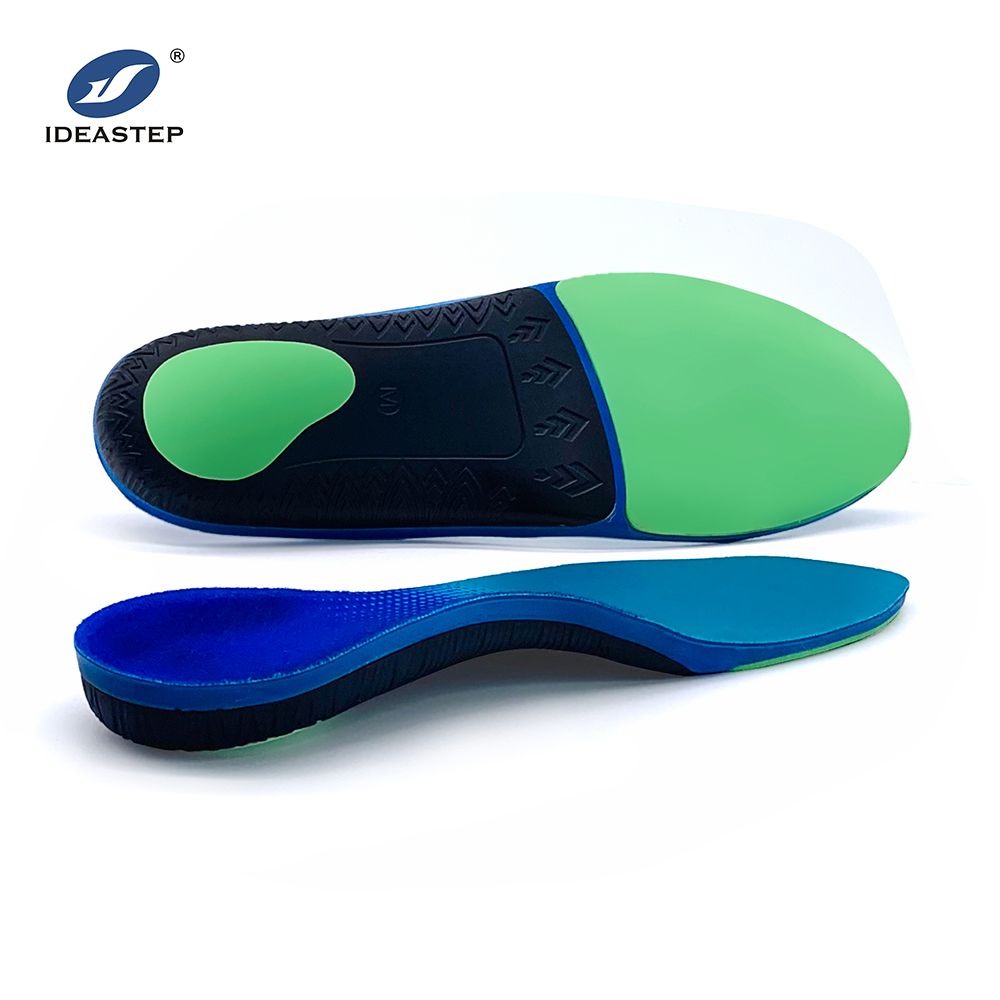
- Wholesale semi-custom lines: Fast heat-mold processing, standardised sizing, repeatable fit for athletic and occupational foot care channels
- Clinical prescription orthotics: Native 3D scan file compatibility, blank bases for chairside modification, targeted pressure relief and full batch traceability
- Industrial safety footwear inserts: Abrasion-resistant top layers, oil resistance and construction compatible with safety toe boxes
Avoid mixing clinical claims with general support products. Overstating corrective benefits for non-prescription lines or implementing heavy medical compliance for retail SKUs both erode margins and partner confidence.
Validate Scan-to-Production Workflow Compatibility
Fit performance hinges on seamless data transfer between capture hardware and manufacturing. Many scanners export proprietary file formats incompatible with factory CAD and CNC systems, causing sampling delays and dimensional drift.
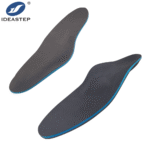
Two established B2B models are widely deployed. Heat-moldable fitted insoles require minimal equipment investment and support fast order turnaround, suited for broad distributor rollout. Fully digital custom orthotics rely on validated 3D scan data routed directly to CNC milling or additive manufacturing, for precise correction of structural foot pathologies.
Confirm your OEM partner accepts open-standard scan files, flags poor-quality scans pre-production and maintains consistent arch geometry across repeat orders. Fit inconsistency is the top driver of clinic and distributor churn.
Spec Material Layers Aligned With Clinical And Functional Requirements
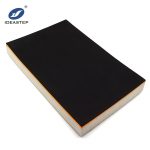
Material stacks are specified by biomechanical objective, load profile and target compliance rules. Rigid TPU substrates deliver durable corrective support for clinical orthoses. Medium-density EVA balances support and cushioning for semi-custom wholesale lines. Natural cork provides semi-rigid, breathable arch support that stabilises with wear.
Top cover selection follows end-use criteria. Diabetic orthotics require low-friction, seamless surfaces to minimise ulcer risk. Athletic lines use antimicrobial, moisture-wicking textiles. Safety footwear variants specify chemically resistant, skid-resistant covers.
Qualified manufacturing partners supply layered prototypes and supporting test data for compression set, abrasion and restricted substances prior to bulk production.
Map Regulatory And Labelling Obligations Upfront
Regulatory boundaries are a frequent blind spot for expanding foot care brands. Products marketed as prescription orthotics for podiatry use require controls aligned with ISO 13485, CE marking or FDA-ready documentation, batch traceability and adverse event reporting processes for target export markets.
Products positioned as supportive foot inserts remain subject to advertising restrictions. Medical claims around correction, treatment or disease mitigation require substantiation. Packaging, sell sheets and partner training materials must clearly separate general foot support language from prescription clinical terminology.
Clinic buyers and large distributors routinely request material certificates and test reports during vendor onboarding; prepare these documents as part of your launch package.
Structure Sourcing Models To Manage Customisation And Inventory Risk
Custom fitted insoles carry higher per-unit setup costs than prefabricated inserts, making MOQ terms a core commercial consideration. Brands validating B2B demand should prioritise suppliers with flexible trial batch terms and mixed-run capability, to test multiple material configurations without overstocking.
Two viable sourcing frameworks apply. ODM private label leverages pre-validated orthotic platforms for fast branding and packaging, cutting engineering overhead and lead times. Full OEM development suits brands with proprietary arch geometry or exclusive scan workflows, with longer sampling cycles and tighter technical alignment required.
Inventory planning differs by product type. Patient-specific custom orthotics operate on a made-to-order basis with near-zero finished stock. Semi-custom heat-moldable bases require size-graded stock, aligned with distributor demand forecasts.
Standardise Partner Training And Fit Resolution Protocols
Even well-engineered insoles underperform without consistent partner execution. Supply clinic and distributor teams with concise, repeatable guidance covering scan capture, gait screening, moulding technique and referral criteria for complex cases.
Contract terms with your manufacturer should define revision workflows for adjusted scans, rework and replacement, so fit complaints can be resolved predictably without unplanned margin erosion.
Key Scaling Risks To Mitigate
Common scaling failures stem from predictable gaps: premature investment in high-end scanning hardware before B2B demand validation, selection of manufacturers experienced only in mass comfort insoles rather than orthotic geometry, and pricing that fails to account for sampling, compliance testing and post-delivery fit revisions.
Shoe last compatibility is also critical. Orthotics engineered without consideration of host footwear internal volume will shift, bind or crowd the forefoot, regardless of scan accuracy.
Launch Roadmap For Your Fitted Insole Line
Launch with narrow, defined use cases and limited test batches rather than attempting to serve all foot conditions and channels simultaneously. Finalise positioning, confirm applicable regulatory controls, run material stack sampling with your OEM partner and validate fit with a small panel of clinic or distribution partners. Refine turnaround times and fit feedback before full rollout.
Foot care distributors, clinic groups and brand operators expanding into custom fitted insoles may submit target channels, workflow preferences and volume projections. We provide tailored sample development, material specification and compliance support for B2B foot care partners.
Explore More:
Custom Fit Arch Supports for Wholesale: Design Options for Custom Insole Projects
Custom Fit Orthotics For Foot Alignment Bulk Custom Solutions