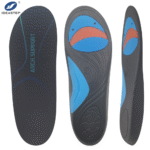
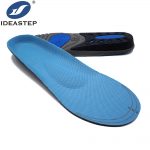
Forefoot support is an important part of orthotic insole design. The metatarsal region experiences repeated loading during walking, running and other weight-bearing activities. Its cushioning, support structure and material composition therefore deserve careful attention during product development.
For podiatry suppliers and sports footwear brands, forefoot support insoles serve different product requirements. Podiatry-related designs often focus on component positioning and structural customization, while sports applications place greater emphasis on cushioning, flexibility and footwear compatibility.
Understanding these differences helps manufacturers develop suitable insole configurations for different markets.
1. Understanding Forefoot Support in Orthotic Insoles
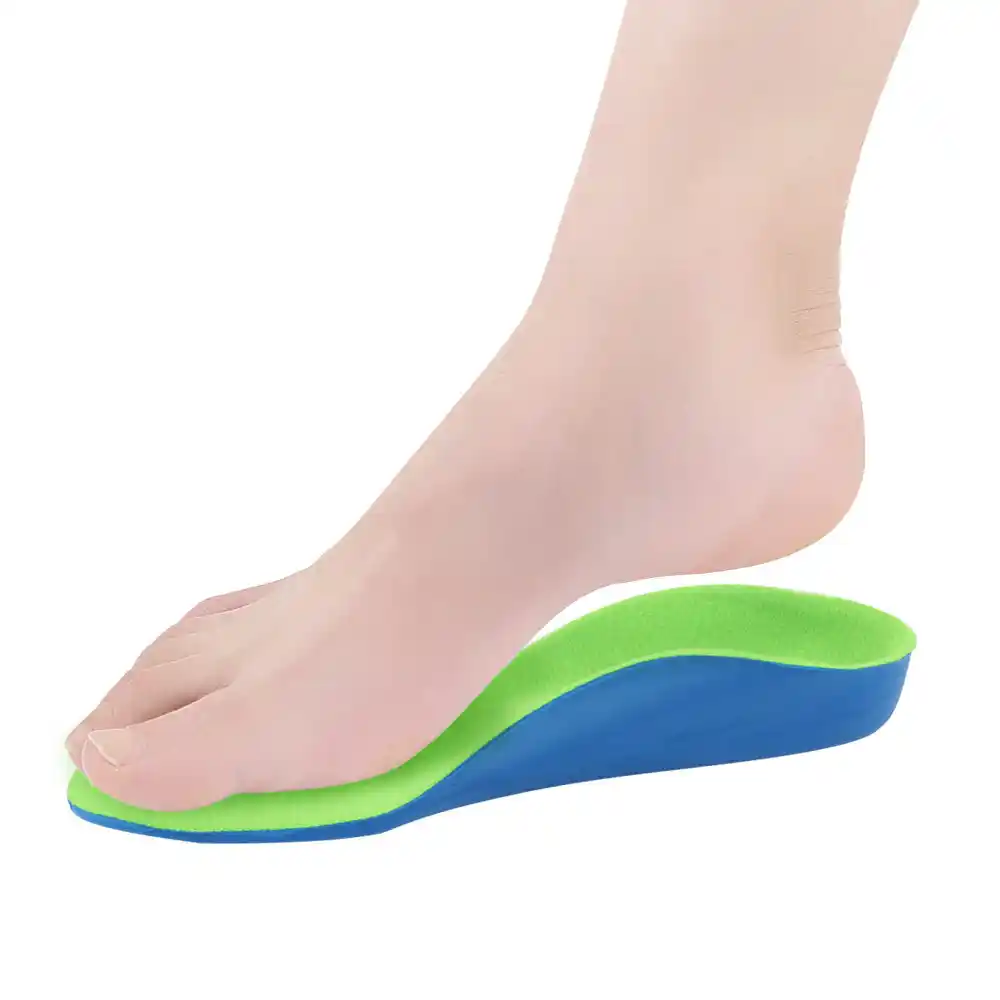
Forefoot support insoles are designed to incorporate cushioning or structural components around the ball-of-foot region. Depending on the intended construction, manufacturers may use:
- Metatarsal pads: Positioned behind the metatarsal heads to create a defined support profile.
- Forefoot cushioning: Adds a cushioning layer beneath the forefoot area.
- Contoured footbeds: Combines forefoot features with arch and heel support.
Pad position, height, material density and overall thickness all influence the finished structure. These specifications should be established during product development rather than adjusted after mass production begins.
2. Two Key Application Areas
Although podiatry products and sports insoles may use similar materials, their design priorities are not always the same.
Forefoot Support for Podiatry Suppliers
Podiatry-related product ranges often require flexible structural configurations to accommodate different orthotic designs. Important specifications include:
- Metatarsal pad position and profile
- Forefoot cushioning thickness
- Arch and heel support integration
- Different material hardness levels
- Full-length and 3/4-length constructions
For podiatry suppliers and orthotic laboratories, customized dimensions and component placement are particularly important when developing different product models.
Forefoot Support for Sports Brands
Sports insoles need to account for repeated movement and the construction of different footwear styles. Running, training and court-sport products may require different combinations of cushioning and flexibility.
Common design considerations include lightweight materials, cushioning distribution, resistance to repeated compression and secure component bonding. Compatibility with the shoe’s internal space is also important.
3. Materials for Forefoot Support Components
Each component has a different role, so material selection should reflect its intended function. A cushioning layer, for example, may require different properties from a structural support element.
| Material | Common Application | Key Considerations |
|---|---|---|
| EVA | Forefoot cushioning and molded components | Density, hardness and thickness |
| PU Foam | Cushioning layers | Formulation, resilience and durability |
| Poron-type Materials | Localized cushioning | Compression response and thickness |
| TPU | Selected structural or flexible components | Hardness and material grade |
| Microfiber and Fabric | Top-cover layers | Surface finish and bonding compatibility |
Material combinations should be evaluated as part of the complete insole construction. Buyers should confirm material grades and physical specifications rather than relying on general material names.
4. Customization and Product Development
OEM and ODM development allows podiatry suppliers and sports brands to adjust forefoot support insoles to their product requirements.
Common customization options include:
- Metatarsal pad shape, position and dimensions
- Forefoot cushioning thickness and density
- EVA, PU and other suitable material combinations
- Arch support and heel cup integration
- Top-cover material, color and surface finish
- Full-length or 3/4-length construction
- Logo and private-label packaging
The development process usually starts with a drawing, reference sample or product specification. After reviewing the structure and materials, the manufacturer can prepare samples for evaluation. Once approved, the sample and confirmed specifications become the reference for bulk production.
5. Quality Control for Consistent Production
Forefoot components require accurate positioning and consistent dimensions. Variations in pad height, placement or cushioning thickness can affect the finished insole construction.
For wholesale production, key inspection points include:
- Dimensions: Check pad height, width, length and component thickness.
- Material consistency: Verify density, hardness and material specifications.
- Bonding: Inspect connections between cushioning layers, support components and top covers.
- Finish: Check edges, surfaces and visible defects.
- Batch consistency: Compare finished products with the approved sample.
Clear inspection standards help maintain consistent specifications across production batches.

6. Wholesale Sourcing Considerations
When selecting a forefoot support insole manufacturer, buyers should look beyond the product catalogue and unit price. Customization capability, material knowledge and production consistency are equally important.
Before confirming a bulk order, clarify the following:
| Item | Details to Confirm |
|---|---|
| Product Structure | Metatarsal pad, cushioning, arch support and top cover |
| Material | Type, grade, density and hardness |
| Dimensions | Length, width, thickness and component placement |
| Customization | Color, structure, logo and packaging |
| Bulk Order | MOQ, sample approval and production lead time |
For repeat orders, maintaining an approved sample and documented specifications helps reduce differences between production batches.
7. Forefoot Support Insole Manufacturing with Ideastep
Ideastep provides orthotic insole components and customized manufacturing support for podiatry suppliers, orthotic product distributors and sports footwear brands.
Our product development capabilities cover different forefoot constructions, including cushioning layers, metatarsal support components and integrated orthotic insole designs.
Depending on project requirements, customization can include:
- Forefoot cushioning using selected EVA and foam materials
- Customized metatarsal pad configurations
- Different material densities and thicknesses
- Integration with arch support and heel components
- Customized top covers and surface finishes
- OEM/ODM development and private-label production
We work with B2B buyers to review product specifications, develop samples and establish production arrangements for wholesale orders.
Develop Your Forefoot Support Insole Project
Successful forefoot support development starts with the right combination of component design, material selection and product specifications. Whether you are developing an orthotic range for podiatry suppliers or a performance-oriented insole collection for a sports brand, the construction should match the intended application.
Share your product drawings, reference samples or customization requirements with our team to discuss suitable solutions.
Contact our team for forefoot support insoles, OEM/ODM development and bulk manufacturing.
Browse Related Products: https://www.aideastep.com/product/ideastep-8001-metatarsal-pad-insole/.