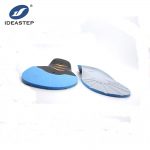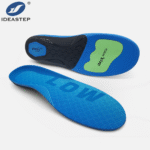
For footwear brands, retailers, and foot care companies, developing a successful insole product line requires more than simply adding a logo to an existing product. The right insole needs to match customer expectations in terms of comfort, support, durability, and market positioning.
However, creating orthotic insoles internally can be challenging. Product development requires knowledge of foot biomechanics, material performance, manufacturing processes, and quality control. Without the right experience and production resources, brands may face longer development cycles and inconsistent product quality.
Working with an experienced private label orthotic insoles supplier allows companies to develop branded insole solutions while leveraging professional manufacturing capabilities, customization options, and industry expertise.
Whether launching a new foot care brand or expanding an existing footwear product range, a reliable supplier can help transform product concepts into market-ready orthotic solutions.
What Are Private Label Orthotic Insoles?
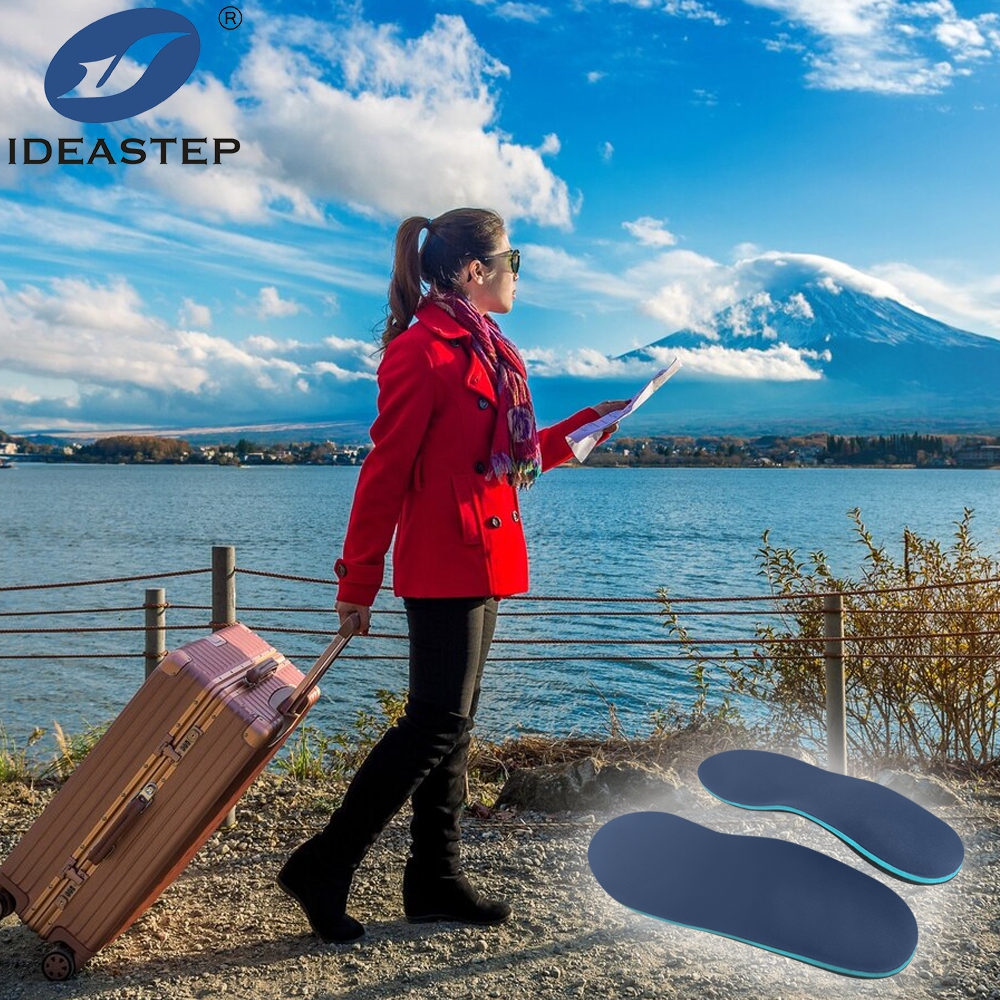
In the footwear and foot care industry, private label orthotic insoles are products developed and manufactured by a supplier but sold under a retailer’s or brand owner’s name.
Instead of building their own manufacturing system, brands can cooperate with an experienced insole manufacturer to create products that match their target market and brand strategy.
A private label orthotic insoles supplier may provide support in areas such as:
- Product selection and customization
- Orthotic structure development
- Material recommendations
- Production management
- Quality control
- Packaging solutions
The brand owner can focus on marketing, sales channels, and customer relationships while relying on professional manufacturing support.
Private Label vs OEM vs ODM Insoles: Understanding the Difference
Before choosing a supplier, brands should understand the differences between common cooperation models.
| Model | Product Development | Suitable For |
|---|---|---|
| Private Label | Supplier provides existing or customizable solutions with branding options | Brands and retailers looking for faster market entry |
| OEM | Buyer provides product specifications, supplier handles manufacturing | Companies with completed product designs |
| ODM | Supplier participates in product design and development | Brands creating new insole products |
For many footwear brands and retailers, private label solutions offer a practical balance between customization, development speed, and investment control.
Why Choose Private Label Orthotic Insoles for Your Brand?
Launch Your Own Insole Product Line Faster
Developing orthotic insoles from the beginning requires investment in:
- Product engineers
- Material research
- Testing procedures
- Manufacturing equipment
For companies entering the foot care market, this can increase development costs and delay product launches.
An experienced private label orthotic insoles supplier already understands the challenges involved in insole manufacturing, including support structures, foam selection, production processes, and quality requirements.
This allows brands to focus on market development while using professional manufacturing resources.
Create Products with Market Differentiation
The insole market is highly competitive, and many standard products offer similar features. Customization helps brands create products with clearer positioning.
Private label programs can include customization of:
- Arch support structure
- Cushioning performance
- Material combinations
- Product thickness
- Surface materials
- Packaging design
Different markets may require different solutions.
Sports footwear brands may focus on:
- Lightweight construction
- Shock absorption
- Energy return
Healthcare and foot care brands may prioritize:
- Arch support
- Pressure distribution
- Long-term comfort
Work footwear brands may require:
- Durability
- Stable support
- Comfort during extended standing
Understanding the end user is essential when developing a successful orthotic product.
Improve Brand Value and Customer Experience
A quality insole can become an important part of a footwear brand’s value proposition.
Well-designed orthotic insoles can help brands:
- Improve footwear comfort
- Offer additional foot care solutions
- Increase product value
- Build customer loyalty
For retailers and online brands, private label insoles can also create new product categories and revenue opportunities.
What Can You Customize with Private Label Orthotic Insoles?
A professional private label supplier should provide flexible customization options based on different market requirements.
Functional Structure and Orthotic Design
The performance of an insole depends heavily on its internal structure.
Key design considerations include:
- Arch support level
- Heel cup design
- Cushioning zones
- Insole thickness
- Foot pressure distribution
Professional orthotic development also considers factors such as:
- Foot biomechanics
- Arch geometry
- User activity level
- Shoe compatibility
A daily comfort insole, sports insole, and medical support insole may require completely different design approaches.
Material Selection
Material selection directly affects comfort, durability, and support performance.
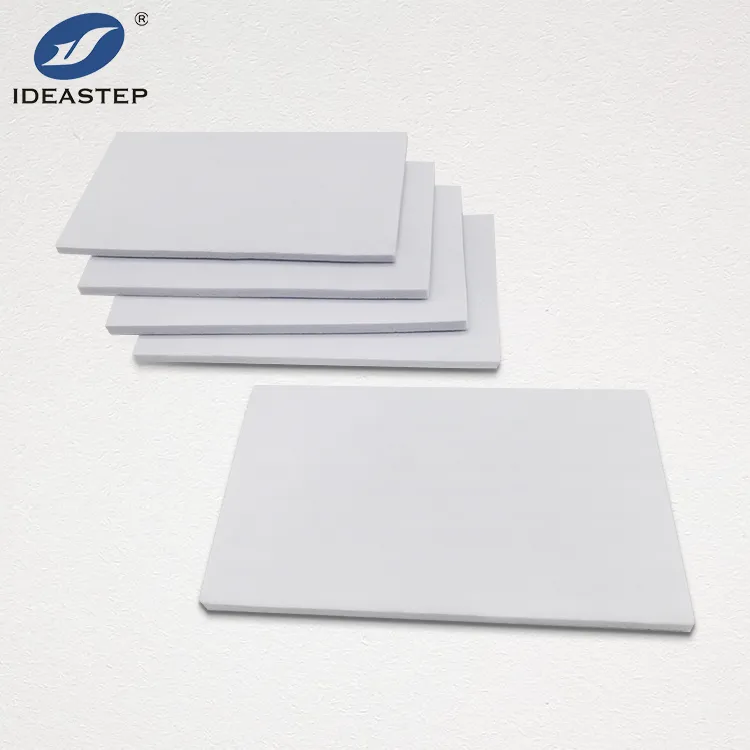
EVA Foam
EVA foam is one of the most commonly used materials in orthotic insoles because it provides a balance of cushioning and structural support.
Benefits include:
- Lightweight construction
- Shock absorption
- Flexible performance
- Adjustable hardness and density
EVA density and hardness can be customized according to different applications. Softer EVA formulations are often used for comfort-focused products, while higher-density structures provide stronger support and durability.
PU Foam
PU foam is often selected for applications requiring:
- Long-term cushioning
- Good resilience
- Consistent comfort
Top Cover Materials
Surface materials can improve the overall wearing experience.
Common options include:
- Microfiber
- Mesh
- Velvet
These materials help improve:
- Breathability
- Moisture management
- Foot comfort
Private Label Orthotic Insoles Development Process
Step 1: Define Your Product Positioning
Every successful insole project starts with a clear understanding of the target market.
Brands should consider:
- Customer group
- Product application
- Price range
- Performance expectations
For example, a retail comfort insole and a professional orthotic support product require different levels of structure and material performance.
Step 2: Select Design and Materials
After defining product requirements, the supplier helps determine:
- Insole structure
- Support level
- Cushioning system
- Material combination
During this stage, professional manufacturers consider both user needs and production feasibility to ensure the final product performs well in real applications.
Step 3: Prototype Development and Testing
Before mass production, samples are created and evaluated.
A typical process includes:
- Design confirmation
- Prototype production
- Sample review
- Performance evaluation
- Final adjustment
During sample evaluation, brands usually review:
- Comfort
- Support level
- Appearance
- Material feel
- Compatibility with target footwear
Testing helps reduce development risks and improve product consistency.
Step 4: Production and Quality Control
After sample approval, products move into bulk manufacturing.
A reliable supplier should manage:
- Raw material inspection
- Production control
- Finished product evaluation
- Packaging requirements
Consistent quality is essential because private label products directly represent the brand in the market.
How to Choose a Reliable Private Label Orthotic Insoles Supplier?
Evaluate Orthotic Development Experience
A qualified supplier should understand:
- Orthotic design principles
- Material performance
- Footwear applications
- Different customer requirements
Experience with medical, sports, and footwear markets can provide valuable product development insights.
Check Manufacturing and Quality Capability
Important factors include:
- Production capacity
- Quality control systems
- Material consistency
- Manufacturing experience
A strong manufacturing foundation helps ensure stable product performance for long-term business growth.
Review Customization and Support Services
A reliable supplier should provide more than basic production.
Look for support in:
- Product customization
- Packaging solutions
- Design improvements
- Material recommendations
The best suppliers act as long-term product partners rather than simple manufacturers.
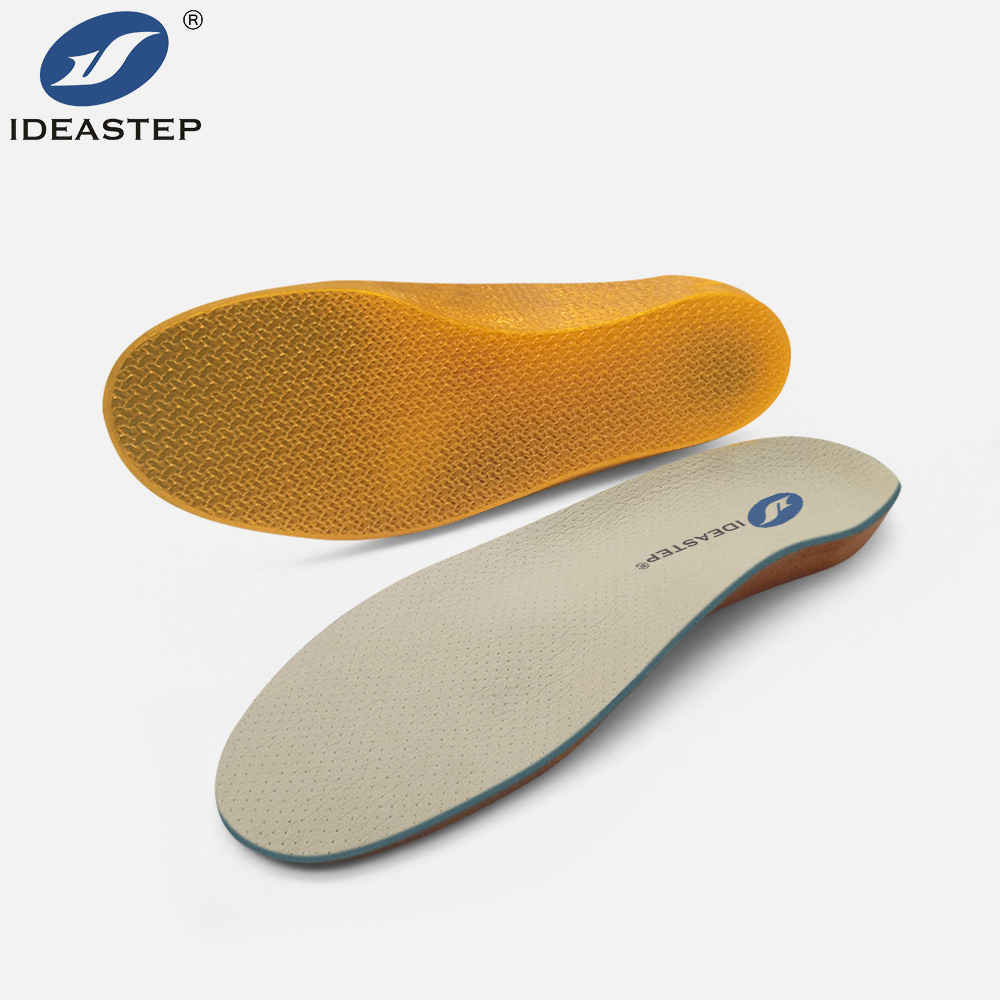
Private Label Orthotic Insoles for Different Markets
Footwear Brands
Footwear companies can use private label insoles to:
- Improve shoe comfort
- Add functional value
- Create product differentiation
Retailers and E-commerce Brands
Retailers can benefit from:
- Customized branding
- Flexible product positioning
- Additional foot care categories
Private label solutions allow businesses to sell products under their own brand identity.
Healthcare and Foot Care Companies
Healthcare-related companies often require:
- Reliable support performance
- Consistent product quality
- Functional foot care solutions
Private label manufacturing provides a way to expand product offerings without building internal production capabilities.
Common Mistakes When Choosing Private Label Insole Suppliers
Choosing Only Based on Price
Low-cost suppliers may reduce product quality through cheaper materials or limited customization capability.
Long-term success depends on balancing cost, quality, and technical support.
Ignoring Product Testing
Orthotic insoles should be evaluated for:
- Comfort
- Support
- Durability
- User requirements
Using Generic Products Without Differentiation
A successful private label product needs a clear market position.
Customization in design, materials, and branding helps create stronger competitiveness.
Frequently Asked Questions About Private Label Orthotic Insoles
Can I create my own branded orthotic insoles?
Yes. A private label orthotic insoles supplier can help brands customize product features, branding, and packaging according to market requirements.
What is the MOQ for private label orthotic insoles?
MOQ depends on factors such as product structure, material selection, customization requirements, and packaging options.
How long does it take to develop private label insoles?
The timeline depends on product complexity, sample approval process, material availability, and production requirements.
Conclusion: Build Your Orthotic Insole Brand with the Right Supplier
Developing a branded orthotic insole product requires expertise in design, materials, manufacturing, and quality management.
A professional private label orthotic insoles supplier can help footwear brands, retailers, and healthcare companies create customized products while reducing development challenges.
Whether you are launching a new foot care brand or expanding an existing product portfolio, choosing the right manufacturing partner can help turn your ideas into reliable, market-ready orthotic solutions.
Recommended Reading:
How a European Footwear Brand Scaled Using Private Label Orthotics
Private Label Orthotic Insoles: Complete Beginner Guide