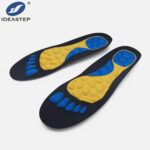
If you have flat feet, memory foam insoles can improve comfort by reducing pressure and providing extra cushioning. However, comfort alone is not always enough. Flat feet are often related to reduced arch support and changes in foot mechanics, so the best insole depends on whether you need mainly cushioning or additional stability.
For some people, memory foam insoles are a comfortable everyday solution. For others, especially those with overpronation or persistent foot discomfort, orthotic insoles with structured arch support may provide better long-term support.
Understanding how memory foam works and how it compares with orthotic designs can help you choose the right solution for your feet.
What Are Flat Feet?
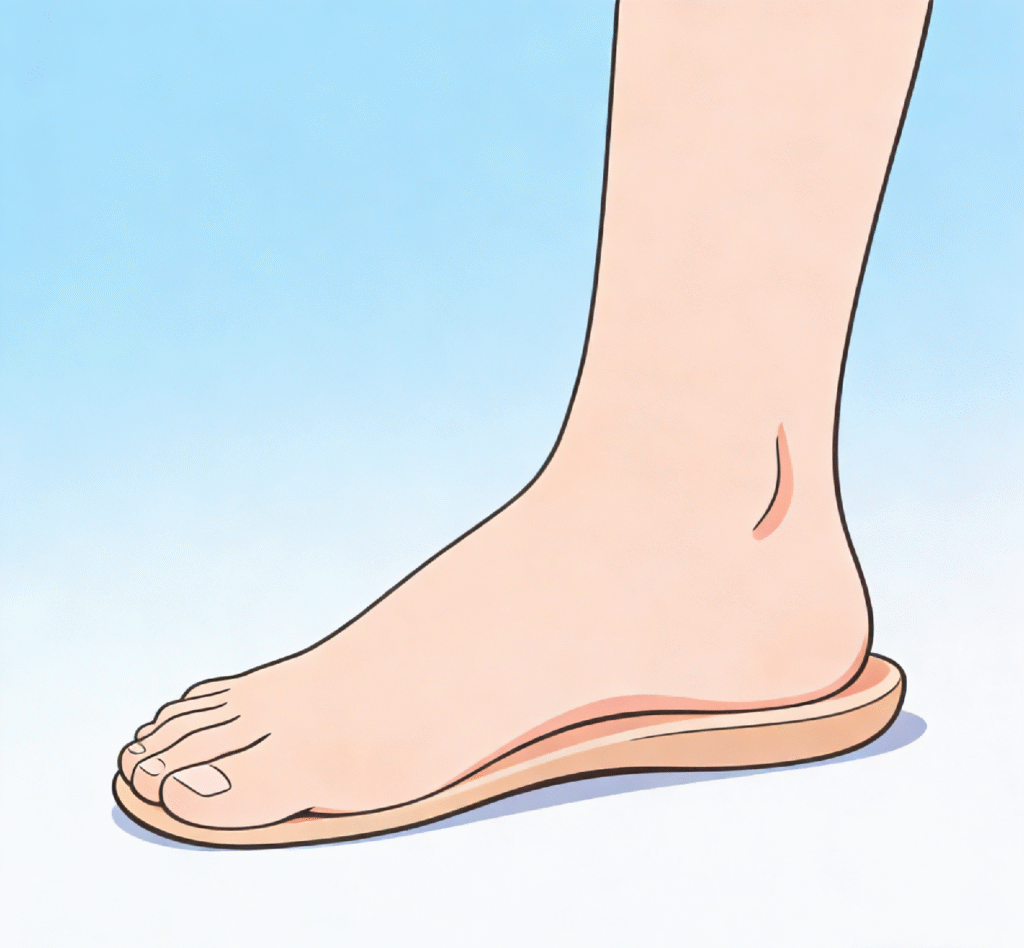
Flat feet, also called fallen arches, occur when the arch of the foot is lower than usual, causing more of the foot to contact the ground during standing and walking.
A healthy foot arch helps:
- Distribute body weight
- Absorb impact during movement
- Maintain walking stability
- Support efficient foot mechanics
When the arch collapses, the foot may roll inward excessively, which is known as overpronation. This can increase stress on the feet, ankles, knees, and lower limbs.
Common symptoms associated with flat feet include:
- Foot fatigue after standing or walking
- Heel discomfort
- Arch soreness
- Uneven shoe wear
- Lower limb fatigue
However, not all flat feet are the same. In practice, flat feet are usually divided into two common types.
Flexible Flat Feet
Flexible flat feet are common and often appear when standing but improve when the foot is lifted or relaxed. Many people with this type mainly need better cushioning and moderate support for daily activities.
Rigid Flat Feet
Rigid flat feet involve a more fixed arch position and may be associated with reduced foot flexibility or discomfort. These cases often require professional evaluation and more structured support.
What Are Memory Foam Insoles?
Memory foam is a type of viscoelastic polyurethane foam that responds to pressure and body heat. When you step on a memory foam insole, the material gradually adapts to the shape of your foot and slowly returns to its original form after pressure is removed.
This unique behavior provides several benefits:
Pressure Relief
Memory foam helps distribute pressure over a larger surface area, reducing concentrated pressure under the heel and forefoot.
Cushioning
The foam absorbs part of the impact generated during walking and standing, creating a softer and more comfortable feeling.
Personalized Comfort
Because it conforms to the shape of the foot, memory foam can provide a more customized feel compared with standard flat insoles.
However, memory foam is mainly a comfort and cushioning material. Its ability to support foot structure depends on the overall insole design, foam density, and additional support components.
Are Memory Foam Insoles Good for Flat Feet?
The answer depends on your foot condition and daily needs.
For people with mild flat feet who mainly experience discomfort from standing or walking, memory foam insoles can provide noticeable comfort improvements.
However, people with more significant arch collapse or excessive foot movement may require additional support.
Benefits of Memory Foam Insoles for Flat Feet
Reduce Pressure on the Feet
Flat feet can change how pressure is distributed during movement. Memory foam helps spread pressure more evenly, reducing stress on specific areas such as the heel and forefoot.
Improve Everyday Comfort
For daily walking, casual activities, or long periods of standing, memory foam provides soft cushioning that can reduce foot fatigue.
Provide Shock Absorption
People who spend many hours on hard surfaces may benefit from the impact-absorbing properties of memory foam.
Limitations of Memory Foam for Flat Feet
Although memory foam improves comfort, it does not always solve the underlying support issues associated with flat feet.
Limited Arch Support
Flat feet often require additional support to maintain better foot positioning. Soft foam alone may not provide enough structure for controlling foot movement.
Limited Motion Control
For people with overpronation, an insole needs to provide more than cushioning. A supportive structure may be required to help improve stability.
Compression Over Time
The durability of memory foam depends on its density and quality. Lower-density foam may lose thickness and cushioning performance after repeated loading.
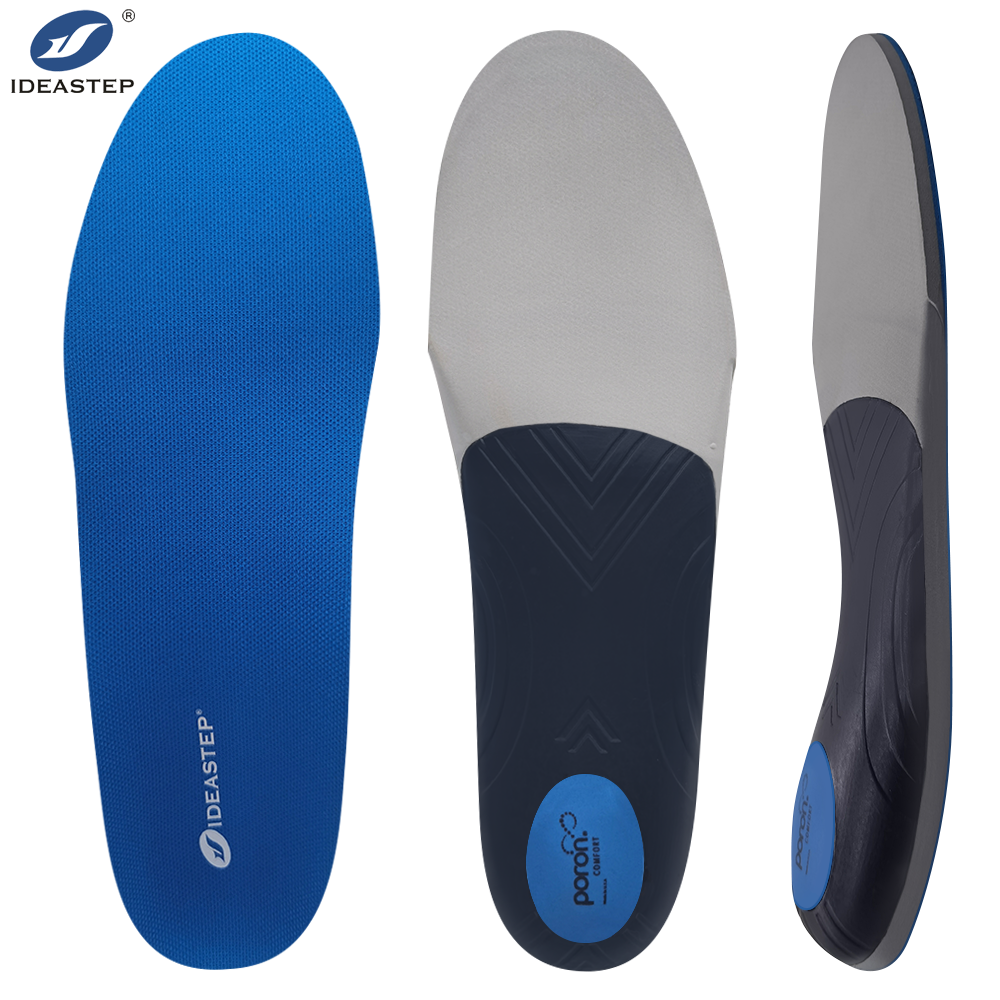
Memory Foam Insoles vs Orthotic Insoles for Flat Feet
The main difference between memory foam and orthotic insoles is their design purpose.
| Feature | Memory Foam Insoles | Orthotic Insoles |
|---|---|---|
| Main Function | Comfort and cushioning | Support and biomechanical control |
| Cushioning | Excellent | Very Good |
| Arch Support | Limited | Strong |
| Pressure Distribution | Good | Excellent |
| Overpronation Control | Limited | Better |
| Long-Term Stability | Moderate | High |
Memory foam insoles focus on making footwear softer and more comfortable.
Orthotic insoles are designed based on foot biomechanics. They use support structures such as arch reinforcement, heel stabilization, and high-density materials to improve pressure distribution and control excessive foot movement.
For users with flat feet who need better stability, orthotic designs are often a more suitable option.
Key Design Features of Effective Flat Feet Insoles
A quality insole for flat feet should balance comfort, support, and durability.
Structured Arch Support
Arch support is one of the most important factors for flat feet. A well-designed support structure helps improve stability and reduce excessive inward rolling of the foot.
Balanced Cushioning
The softest insole is not always the best choice. Effective designs combine cushioning with enough firmness to maintain support during daily activities.
Heel Stability
A supportive heel cup helps stabilize the rear foot and improves control during walking.
Durable Materials
Material selection directly affects performance. Many orthotic insoles use EVA foam because it provides:
- Lightweight cushioning
- Shock absorption
- Different hardness options
- Easy customization
By adjusting EVA density and hardness, manufacturers can create different support levels for comfort insoles, sports applications, and orthotic products.
Who Should Choose Memory Foam Insoles for Flat Feet?
Memory foam insoles may be suitable for:
- People with mild flat feet
- Users seeking additional comfort
- Individuals who stand for long periods
- Everyday walking and casual footwear users
They are especially useful when the main goal is reducing pressure and improving comfort.
When Should You Consider Orthotic Insoles?
Orthotic insoles may be a better choice if you experience:
- Persistent foot pain
- Moderate to severe flat feet
- Overpronation
- Uneven shoe wear
- Frequent fatigue during walking or standing
In these situations, the goal is not only cushioning but also improving foot stability and movement patterns.
Frequently Asked Questions
Are memory foam insoles good for flat feet?
Yes, they can improve comfort and reduce pressure. However, they may not provide enough support for people who need better arch control.
Can memory foam insoles correct flat feet?
No. Memory foam improves cushioning but does not change the structure of the foot. Supportive orthotic designs are usually more suitable for improving foot mechanics.
Do flat feet always need arch support?
Not necessarily. Mild flat feet without pain may only require comfort improvements, while painful or unstable flat feet often benefit from additional support.
How long do memory foam insoles last?
The lifespan depends on foam quality, body weight, activity level, and usage frequency. For daily use, many memory foam insoles need replacement after approximately 6–12 months.
Conclusion
The best memory foam insoles for flat feet are not simply the softest options. Memory foam provides excellent cushioning and pressure relief, making it a good choice for people who mainly need comfort.
However, flat feet often involve changes in foot mechanics, and some users need more than cushioning. For individuals with overpronation, persistent discomfort, or higher support requirements, orthotic insoles with structured arch support and durable materials may provide better long-term results.
The right insole should match your foot type, activity level, and support needs. A properly designed solution can help improve comfort, reduce fatigue, and support healthier movement throughout the day.
Related product links: https://www.aideastep.com/product/ideastep-yl-1247-custom-flat-feet-arch-support-running-insoles-supplier-oem-evaporon-cushion/.