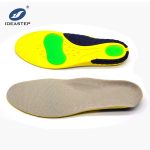
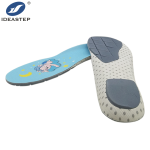
Custom arch supports allow footwear brands, orthotic product suppliers, and distributors to develop products that meet specific design, material, and branding requirements. For OEM manufacturing and private label projects, key considerations include arch geometry, material selection, production methods, dimensional accuracy, and batch consistency.
Working with a qualified manufacturer helps businesses translate product specifications into repeatable production requirements. This guide covers the main factors involved in developing and sourcing custom arch supports for B2B applications.
What Are Custom Arch Supports?
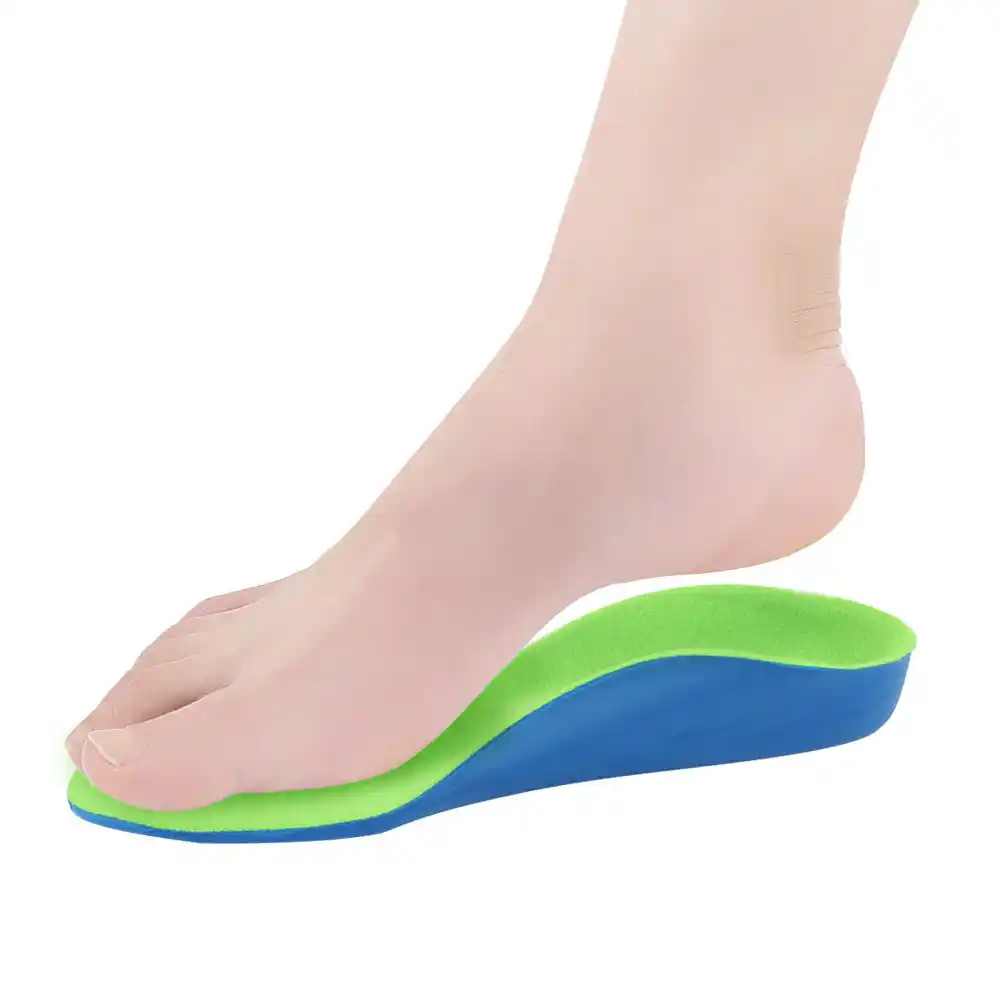
Custom arch supports are components or integrated structures designed with specific contours, dimensions, and material properties. Manufacturers incorporate them into orthotic insoles, footwear inserts, and other foot-support products according to the intended application.
Arch Support Structure and Design
A typical design may include several components:
- Arch section: Defines the contour and height of the supporting structure.
- Heel cup: Establishes the shape of the rearfoot section.
- Cushioning layer: Provides cushioning according to the selected material and construction.
- Base layer: Supports the overall structure and helps maintain the intended profile.
- Top cover: Provides the finished surface and contributes to the product’s appearance.
These elements can form an integrated structure or a multilayer assembly. The appropriate configuration depends on the product specification, footwear dimensions, material properties, and manufacturing process.
Common Custom Arch Support Designs
Manufacturers can develop different profiles and constructions based on project requirements, including:
- Low-profile, moderate-profile, and higher-profile arch designs
- Integrated arch support insoles
- Separate arch support components
- Single-material and multilayer constructions
- Different thicknesses, firmness levels, and surface finishes
These options allow brands to specify products for different footwear categories and market requirements. Final dimensions and material configurations should follow approved drawings, samples, or technical specifications.
OEM Manufacturing for Custom Arch Supports
OEM manufacturing enables brands to produce arch supports according to customer-provided designs or agreed technical requirements. Projects may begin with an existing product specification or require additional design development.
OEM Production Based on Drawings or Samples
For established designs, buyers should provide as much technical information as possible, including:
- CAD drawings or physical reference samples
- Arch height, contour, thickness, and dimensions
- Material type, density, and hardness requirements
- Color, surface finish, and layer configuration
- Bonding and assembly requirements
- Size range and dimensional tolerances
The manufacturer can then assess production feasibility and identify specifications that require clarification before sampling.
Custom Design and Product Development
When the design is not finalized, development may involve adjustments to the arch profile, thickness, material combination, flexibility, or overall dimensions.
Each change should be evaluated against the complete product structure. For example, increasing arch height or component thickness may affect the available space inside the footwear. Material changes may also influence bonding, flexibility, and processing requirements.
A clearly defined product brief helps reduce unnecessary sample revisions and supports more accurate cost estimates.
OEM and ODM: Key Differences
OEM manufacturing generally focuses on producing products according to the buyer’s drawings, samples, or approved specifications.
ODM cooperation typically includes more design input from the manufacturer, such as adapting an existing construction or developing selected product features.
Before starting a project, both parties should clarify design responsibilities, tooling arrangements, sample approval, intellectual property, and procedures for specification changes.
From Sampling to Mass Production
A typical development process includes:
- Requirement review: Confirm the application, dimensions, materials, and estimated order quantity.
- Technical assessment: Review drawings or samples and resolve specification gaps.
- Sample development: Evaluate dimensions, material characteristics, construction, and finish.
- Sample approval: Confirm the reference sample and corresponding specifications.
- Production preparation: Finalize inspection criteria, packaging, labeling, and order details.
- Production and inspection: Check products against the approved requirements.
The approved sample should be supported by documented specifications to maintain consistency across production batches.
Private Label Custom Arch Supports
Private label manufacturing allows businesses to sell products under their own brands. Customization may involve product construction, material selection, appearance, identification, and packaging.
Logo and Product Identification
Depending on the product structure and available manufacturing processes, branding options may include printed logos, labels, or other product markings.
Buyers should confirm logo placement, artwork dimensions, marking methods, and appearance before production. Branding should also remain compatible with the selected surface material and product construction.
Material and Appearance Customization
Private label projects may specify different top covers, colors, textures, foam materials, or layer combinations.
Material choices should account for more than appearance. Surface materials must be compatible with the underlying structure and bonding method. Color references and approved samples can help maintain consistency between orders.
Private Label Packaging
Packaging requirements depend on the buyer’s distribution model and sales channels. Common considerations include:
- Branded bags, boxes, or sleeves
- Product labels and SKU identification
- Size and model information
- Barcodes and carton markings
- Units per package and carton dimensions
- Destination-market labeling requirements
Packaging specifications should be confirmed before production to avoid changes during order fulfillment.
Developing a Consistent Product Range
Brands may require multiple models, sizes, colors, or material configurations. A product specification matrix helps organize these variations.
For each model, document the product code, size range, material combination, dimensions, approved drawing, and packaging requirements. This approach simplifies repeat ordering and reduces confusion between product versions.
Material Selection for Custom Arch Supports
Material selection affects weight, flexibility, compression behavior, dimensional stability, processing, and cost. The appropriate material depends on the design requirements and intended application.
EVA Foam
Ethylene-vinyl acetate (EVA) foam is widely used in footwear and insole manufacturing. Depending on the grade and processing method, it can be used in cushioning layers, shaped support structures, and multilayer constructions.
When specifying EVA, buyers should consider:
- Density and hardness
- Thickness and dimensional stability
- Compression and recovery behavior
- Compression set
- Cutting or molding requirements
- Bonding compatibility
- Material consistency between batches
Density and hardness measure different properties. A density value alone does not determine the firmness or compression performance of an EVA component. Buyers should specify the relevant material requirements and request sample evaluation when necessary.
TPU and Other Structural Materials
Thermoplastic polyurethane (TPU) and other structural materials may suit designs requiring different levels of stiffness, resilience, or shape retention.
Material suitability depends on the specific grade, geometry, thickness, and manufacturing process. When combining structural components with foam, manufacturers should evaluate bonding compatibility and differences in material deformation.
Multilayer Construction
Multilayer arch supports may combine a structural component, foam layer, and top cover. This configuration allows each material to serve a specific purpose within the product.
However, additional layers introduce requirements for bonding, alignment, trimming, and thickness control. Buyers should define the material and thickness of each layer, bonding method, finished dimensions, and acceptable surface or edge defects.
Density, Hardness, and Compression Performance
Material specifications should identify the properties relevant to the finished product.
- Density measures mass per unit volume.
- Hardness measures resistance to indentation under a defined test method.
- Compression behavior describes deformation under load.
- Compression set indicates residual deformation after specified compression and recovery conditions.
These measurements are not interchangeable. For meaningful comparisons, buyers should confirm test methods, units, testing conditions, and acceptance ranges.
Key Design Specifications for OEM Projects
Clear specifications help manufacturers evaluate feasibility, prepare quotations, and reproduce approved designs.
Arch Geometry and Dimensions
Technical drawings or reference samples should define the arch contour, height, transition areas, overall dimensions, and component boundaries.
For complex three-dimensional shapes, a single height measurement may not adequately describe the profile. CAD data or additional reference dimensions can improve accuracy.
Size Range and Tolerances
Buyers should specify overall dimensions, thickness, size grading, and acceptable tolerances. The arch profile may also require adjustments across different sizes.
Critical dimensions should have clearly defined acceptance limits. A documented size chart and grading rules help maintain consistency throughout the product range.
Firmness and Layer Configuration
The specification should identify required firmness, flexibility, material combinations, and layer thicknesses. These requirements should reflect the intended product construction rather than relying on general descriptions such as “soft” or “firm.”
Where performance is critical, buyers should define appropriate test methods and acceptance criteria.
Drawings, Samples, and Version Control
Drawings and physical samples serve different purposes. Drawings establish measurable dimensions, while samples show the actual construction and finish.
If the two references differ, the buyer and manufacturer should clarify which one governs each feature. Approved revisions should carry clear version identifiers to prevent outdated specifications from entering production.
Quality Control in Custom Arch Support Manufacturing
Quality control should follow documented specifications and agreed acceptance criteria. The inspection plan depends on the product design, material combination, and manufacturing process.
Dimensional Accuracy
Relevant checks may include overall length and width, arch height, thickness, contour, and the position of key features.
Inspection methods should match the component geometry. Buyers should also define requirements for left-and-right matching where applicable.
Material and Bonding Consistency
Incoming material checks may cover grade identification, thickness, density, hardness, or other specified properties.
For bonded constructions, inspection may include layer alignment, bond coverage, edge finishing, and separation defects. Where bond strength is critical, the parties should agree on a suitable test method and acceptance criteria.
Sampling and Production Approval
A quality plan may include incoming material checks, in-process inspections, finished-product inspection, packaging verification, and records of nonconforming products.
The approved sample, drawing revision, material specification, and inspection criteria should remain consistent throughout the order.
Packaging and Batch Traceability
Packaging inspections should verify model, size, quantity, labeling, and carton information. Production and inspection records also help buyers compare repeat orders and investigate reported differences.
Cost Factors and MOQ for Custom Arch Supports
The cost of a custom arch support project depends on material selection, design complexity, production methods, order quantity, and packaging requirements.
Materials and Production Complexity
Material grade, number of layers, component geometry, bonding operations, trimming, and finishing can all affect unit cost.
When comparing quotations, buyers should ensure that suppliers are pricing the same specifications, materials, and production scope.
Tooling and Sampling
Some projects can use existing tooling or standard processes. Others may require new molds, dedicated fixtures, or additional development work.
Buyers should confirm whether tooling and sampling fees apply, what those charges cover, and how project-specific tooling will be managed.
Order Quantity and MOQ
Minimum order quantities vary by supplier, material, production method, and customization requirements. Multiple sizes, colors, or models may also affect production planning.
For a more accurate quotation, provide the estimated quantity for each size and model rather than only the total order volume.
Packaging and Shipping
Custom packaging, printed labels, carton specifications, and packing quantities can affect both order cost and shipping volume. These requirements should be included in the quotation request.
How to Choose a Custom Arch Support Manufacturer
A suitable manufacturer should be able to assess technical requirements, communicate production limitations, manage samples, and maintain consistency against approved specifications.
Material and Manufacturing Capabilities
Confirm which materials, constructions, and processing methods the supplier can support. Request relevant technical information or examples of comparable products where available.
The supplier should identify missing specifications and explain any production constraints before the project proceeds.
OEM and Private Label Experience
For OEM projects, confirm the supplier’s ability to work with customer drawings, samples, and defined specifications. For private label orders, verify the available branding, labeling, packaging, and product identification options.
Responsibilities for design revisions, artwork approval, and tooling should also be documented.
Communication and Specification Management
Clear communication reduces errors during product development and production. Buyers should understand how the supplier handles technical questions, sample revisions, drawing updates, and final approvals.
For projects involving multiple models, a controlled specification sheet helps keep requirements organized.
Production Consistency and Repeat Orders
Repeat orders should follow the approved specifications unless both parties authorize a change. Ask how the supplier manages material identification, inspection records, production revisions, and nonconforming products.
Documented procedures provide a stronger basis for long-term cooperation than general quality claims.
Frequently Asked Questions About Custom Arch Supports
What Information Is Needed for an OEM Quotation?
Provide drawings or reference samples, dimensions, materials, size range, estimated quantities, branding requirements, and packaging details. Identify any specifications that still require confirmation.
Can a Manufacturer Work from Customer Samples?
A manufacturer may assess a physical sample as a reference for dimensions, construction, and materials. Feasibility depends on the sample condition and available production methods. Critical specifications should be confirmed separately.
Which Materials Are Used for Custom Arch Supports?
EVA foam, TPU, other structural materials, top-cover fabrics, and composite constructions may be considered. Selection depends on the required geometry, compression behavior, flexibility, bonding compatibility, and production method.
Can Private Label Buyers Customize Logos and Packaging?
Options depend on the supplier’s capabilities and product construction. Buyers should confirm logo placement, marking methods, labels, packaging formats, and artwork requirements before production.
What Affects MOQ and Production Costs?
Key factors include materials, tooling, design complexity, production setup, order quantity, product variations, and packaging. Request a quotation based on the full specification and quantity breakdown.
How Can Buyers Maintain Consistent Repeat Orders?
Maintain an approved sample, controlled drawing revisions, documented material specifications, dimensional tolerances, and inspection criteria. Review and approve any proposed changes before implementation.
Develop Custom Arch Supports with Ideastep
Custom arch support projects require clear specifications and coordination between product design, material selection, manufacturing, and quality control.
When contacting Ideastep, buyers can provide available drawings or reference samples, material requirements, dimensions, size ranges, estimated order quantities, and private label packaging details.
Contact Ideastep to discuss your custom arch support requirements for OEM manufacturing and private label projects.
Related Articles:
Ideastep custom arch supports factory for shoes maker
Custom Arch Supports for Wholesale Buyers and Foot Care Brands