For orthotic insole brands, wholesalers, and footwear manufacturers, semi-custom orthotic insoles offer a way to develop differentiated products without redesigning every component from scratch. By modifying an existing design or manufacturing platform, OEM projects can accommodate selected material, dimensional, structural, and branding requirements.
The key is to define which specifications need to change and which can remain standardized. A well-planned semi-custom project helps manage product variations, manufacturing complexity, and consistency across bulk and repeat orders.
What Are Semi-Custom Orthotic Insoles?
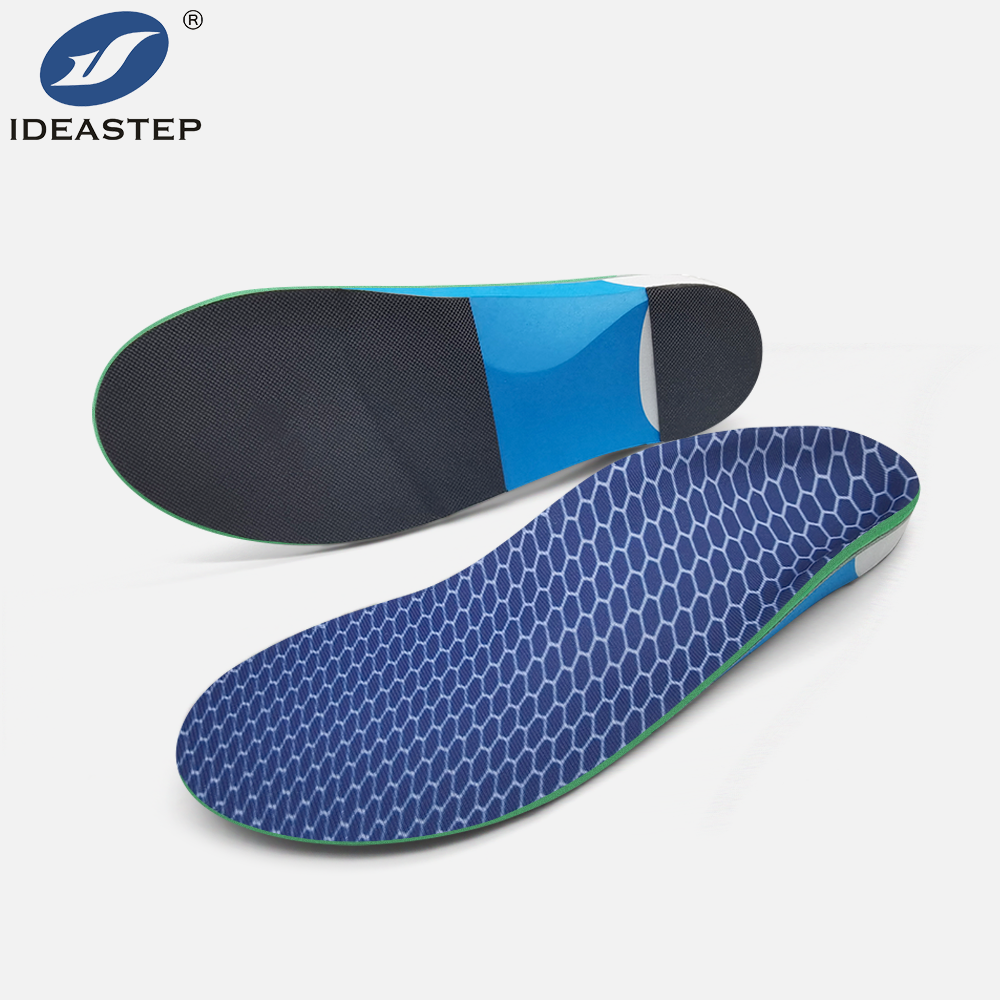
Semi-custom orthotic insoles use an existing design or structural platform with selected modifications. Depending on the manufacturer’s capabilities, customization may cover materials, thickness, firmness, top covers, dimensions, colors, and private-label branding.
The term does not have a universal technical definition. Before starting an OEM project, buyers should confirm the available customization options, tooling requirements, and limitations of the existing design.
Standard, Semi-Custom, and Fully Custom Orthotic Insoles
| Factor | Standard Insoles | Semi-Custom Insoles | Fully Custom Insoles |
|---|---|---|---|
| Design basis | Existing product specifications | Existing design with selected modifications | Project-specific development |
| Customization | Limited to available options | Defined changes to selected features | Broader design flexibility |
| Development work | Usually limited | Depends on the requested changes | May require additional design and tooling |
| Production planning | Based on established specifications | Combines standard elements with approved changes | Based on the final custom design |
The appropriate approach depends on the product requirements, order volume, development budget, and manufacturing capabilities.
When Semi-Customization Makes Commercial Sense
Semi-custom development suits projects that require specific product variations without changing the entire construction. Common requirements include alternative top covers, selected firmness levels, revised thickness, different colors, and private-label packaging.
For brands managing multiple SKUs, retaining a common base design can simplify specification management and reduce unnecessary production variations. The actual cost and lead-time benefits depend on the scope of customization.
How Semi-Custom Orthotic Insoles Support OEM Projects
OEM development starts with a defined product brief and an assessment of the existing design. The manufacturer evaluates the requested changes, material availability, production methods, and any additional tooling or validation requirements.
Working from an Existing Product Platform
A reference sample, technical drawing, or existing model can provide the starting point for development. Buyers may retain the core construction while adjusting selected materials, dimensions, or surface finishes.
Each modification should be reviewed for its effect on product dimensions, bonding, footwear compatibility, and manufacturing processes. Existing tooling may be reusable, but this must be confirmed before costs and lead times are finalized.
Customizing Materials, Thickness, and Firmness
Material and structural requirements should be documented using measurable specifications rather than general terms such as “soft” or “high density.”
- Material grade: Identify the required foam or cover material.
- Thickness: Define measurement points and acceptable tolerances.
- Density: Specify the required range and test method where applicable.
- Hardness: Establish the test method and acceptance range.
- Construction: Document layer sequence, bonding requirements, shape, and dimensions.
Keeping noncritical features standardized helps control product complexity and makes specifications easier to maintain across repeat orders.
Logo, Color, and Private Label Options
Private-label customization may include logos, colors, product labels, and packaging. Available options depend on the product design, manufacturing process, and order requirements.
Before production, approve the logo artwork, placement, color references, packaging dimensions, label content, and carton markings. Confirm any applicable destination-market labeling requirements before finalizing the order.
Defining the Customization Scope Before Sampling
A complete project brief helps the manufacturer assess feasibility and prepare an accurate quotation. Include:
- Product application and target market.
- Reference sample, drawing, or existing model.
- Dimensions, size range, and tolerances.
- Material grades, thickness, and firmness requirements.
- Top-cover, color, logo, and packaging specifications.
- Estimated quantity and expected reorder frequency.
- Inspection criteria and required documentation.
Confirm the specification before sample approval. Changes made later may affect material purchasing, production scheduling, tooling, and cost.
Balancing Customization and Production Efficiency
Production efficiency depends partly on how the product range is structured. Additional materials, sizes, colors, and construction options increase the number of specifications that purchasing and production teams must manage.
Reducing Unnecessary Design Complexity
Identify which features create meaningful product differentiation and which can remain unchanged. For example, a project may require a new top cover without needing a different base structure.
Classify specifications into three groups:
- Fixed specifications: Features shared across the product range.
- Selectable options: Approved variations such as colors, materials, or firmness levels.
- Project-specific changes: Modifications requiring separate technical review, sampling, or tooling.
This approach provides defined customization options while limiting unnecessary development work.
Managing SKUs, Sizes, and Product Variations
Each additional SKU can affect inventory, material allocation, production scheduling, and quality records. The impact increases when a product range combines multiple sizes, colors, materials, and packaging formats.
Build a product matrix before confirming the range. Identify which variations require separate SKUs and which can share the same base specification. This helps purchasing teams forecast demand and manufacturers plan production more accurately.
Standardizing Specifications for Repeat Orders
Repeat orders should reference an approved technical specification rather than informal descriptions. Record material grades, dimensions, tolerances, construction details, color references, and inspection requirements.
Retain the approved sample where appropriate and document any authorized changes. Material substitutions or process adjustments should be reviewed before implementation if they could affect the finished product.
Evaluating Cost, Lead Time, and Production Feasibility
The cost and lead time of semi-custom orthotic insoles depend on the project specification, material availability, tooling requirements, order volume, and packaging.
When comparing standard, semi-custom, and fully custom options, evaluate:
- Design and sampling requirements.
- Material purchasing quantities and availability.
- Tooling or setup costs, where applicable.
- SKU count and production changeovers.
- Inspection, packaging, and documentation requirements.
- Order volume and expected reorder frequency.
Compare quotations using the same specifications, quantities, inspection requirements, and delivery terms.
Material and Structural Options for Semi-Custom Orthotic Insoles
Material selection should reflect the product specification, manufacturing process, and footwear requirements. Different material grades can have different physical properties, even when they share the same material name.
EVA Foam and PU Foam
EVA foam is commonly used in insole manufacturing and is available in different formulations, densities, and firmness levels. The selected grade should meet the project’s dimensional and physical-property requirements.
PU foam provides another material option. Its properties vary by formulation, so buyers should evaluate the required firmness, resilience, compression behavior, and durability against the product specification.
For either material, confirm the grade, relevant technical data, and applicable test methods before approving production.
Top Covers and Surface Finishes
Top-cover options may include textiles, microfiber, and other materials compatible with the product design. Selection depends on surface appearance, wear requirements, cleaning instructions, and bonding compatibility.
Sample inspection should cover the complete assembly, including surface finish, seams, edges, and bonding quality.
Single-Layer and Multilayer Construction
Multilayer designs combine materials with different properties but introduce additional requirements for layer thickness, positioning, bonding, and overall dimensions.
Document each layer and review any proposed changes for their effect on the finished profile, footwear compatibility, tooling, and assembly process.
Matching Materials to Product Requirements
Specify critical material properties and define how the manufacturer will verify them. Depending on the project, requirements may include density, hardness, thickness, color, and compression-related properties.
Use technical data and sample evaluation to verify that the selected materials meet the agreed requirements. Avoid relying solely on general marketing descriptions.
Quality Control for Semi-Custom Orthotic Insole Manufacturing
Quality control should cover incoming materials, production processes, and finished products. Inspection criteria should reflect the approved specification and identify the characteristics that determine product acceptance.
Material Verification and Dimensional Checks
Incoming material checks may cover thickness, density, hardness, color, appearance, and batch identification, depending on the specification.
Finished-product inspection may include length, width, profile, thickness, cutting accuracy, surface defects, and bonding quality. Define measurement methods, sampling procedures, and acceptable limits before production begins.
Sample Approval and Production References
Link the approved sample to the technical specification, including materials, dimensions, construction details, color references, and accepted deviations.
Document any changes made after approval and obtain the required authorization before implementation. This helps maintain a consistent reference for production and repeat orders.
Controlling Consistency Across Repeat Orders
A repeat-order quality plan should address:
- Approved material specifications.
- Dimensional tolerances and workmanship standards.
- Inspection methods and sampling requirements.
- Batch and production records where applicable.
- Handling of nonconforming products.
- Approval of material or design changes.
Agree on these requirements before bulk production. Specialized performance claims should be supported by appropriate evidence rather than inferred from routine visual or dimensional inspections.
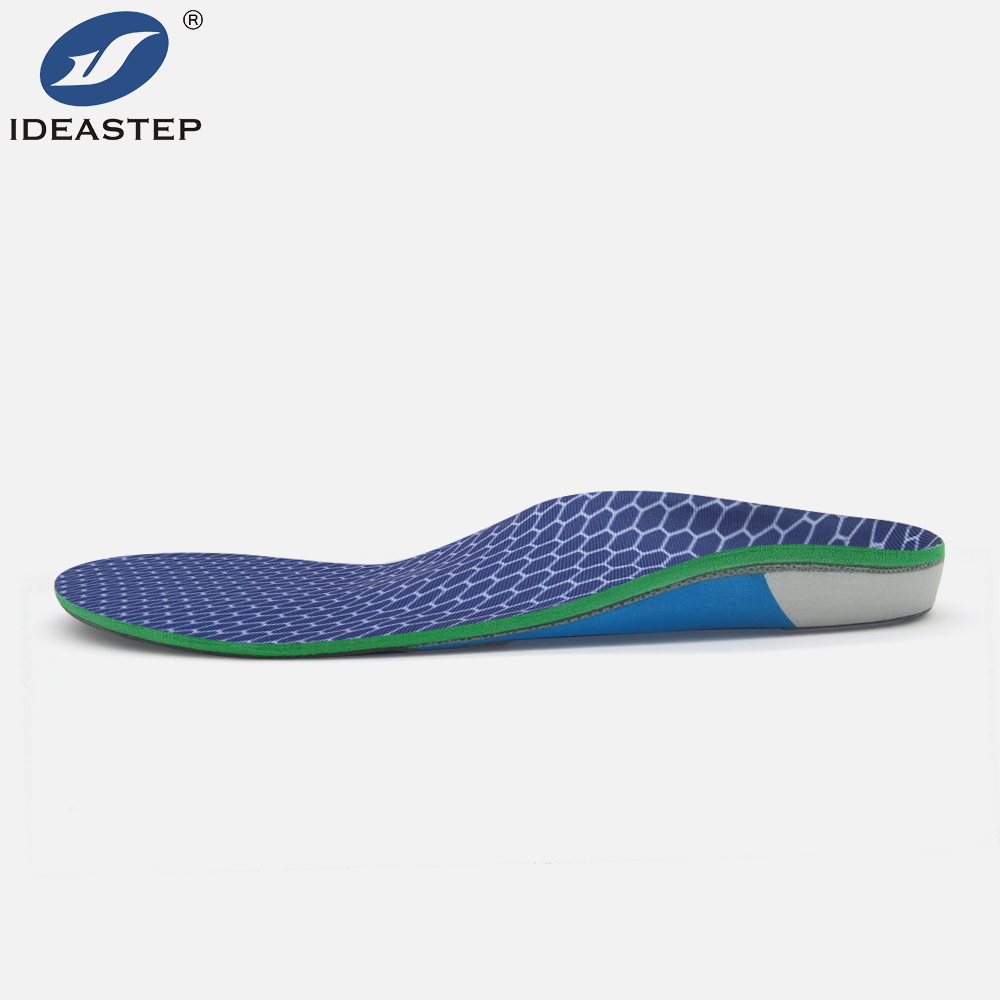
How to Select an OEM Semi-Custom Orthotic Insoles Manufacturer
Evaluate suppliers based on their actual customization capabilities, production processes, quality controls, and ability to maintain approved specifications across repeat orders.
Product Development and Customization Capabilities
Confirm whether the manufacturer can work from samples, technical drawings, or written specifications. Ask which materials, dimensions, structural features, and branding options are available, and whether requested changes require additional tooling or validation.
Clarify the sample approval process and identify the documents that define the final product.
Manufacturing Capacity and Order Flexibility
Assess production capacity against the expected order volume, SKU mix, and delivery schedule. Review how the manufacturer manages material purchasing, production planning, inspection, and repeat orders.
Confirm MOQ by model or variation, the availability of mixed-size orders, and the effect of customization on lead time. Require project-specific estimates rather than relying on general production claims.
Questions to Ask Before Starting an OEM Project
- Which parts of the existing design can be customized?
- Will the requested changes require new tooling or setup?
- What material specifications and test information are available?
- How are samples approved before mass production?
- How are dimensional and material variations controlled?
- What MOQ applies to each model, size, color, or packaging option?
- How are specification changes managed for repeat orders?
These questions help buyers assess production feasibility, compare suppliers consistently, and identify potential issues before placing an order.
Frequently Asked Questions About Semi-Custom Orthotic Insoles
What Is the Difference Between Semi-Custom and Fully Custom Orthotic Insoles?
Semi-custom orthotic insoles use an existing design or manufacturing platform with selected modifications. Fully custom projects may require more extensive development. The actual difference depends on the requested changes and the manufacturer’s capabilities.
Can Semi-Custom Orthotic Insoles Be Produced Under a Private Label?
Private-label options may include logos, colors, labels, and packaging. Availability depends on the manufacturer’s capabilities, product design, and order requirements.
What Affects the MOQ for Semi-Custom Orthotic Insoles?
MOQ may depend on material purchasing quantities, tooling, construction, SKU combinations, and packaging. Provide the proposed specifications and order breakdown for a project-specific quotation.
Can Semi-Custom Insoles Be Developed from an Existing Sample?
A reference sample can support development when the manufacturer has the required capabilities. Provide dimensional and material requirements alongside the sample, then approve the resulting specification before bulk production.
What Information Is Needed for an OEM Quotation?
Provide the reference sample or drawing, dimensions, size range, material requirements, thickness, firmness, colors, branding, packaging, estimated quantity, and delivery requirements. Include applicable inspection or compliance requirements where relevant.
Discuss Your Semi-Custom Orthotic Insoles OEM Project with Ideastep
Semi-custom orthotic insoles allow brands to introduce defined product variations while retaining selected elements of an existing design. Effective OEM planning depends on a clear customization scope, documented material specifications, sample approval, and consistent production controls.
Ideastep works with B2B customers seeking insole customization and manufacturing solutions. To discuss a project, prepare your reference sample or drawing, required specifications, estimated order quantity, and packaging requirements.
Contact Ideastep to discuss your semi-custom orthotic insoles, OEM specifications, and bulk production requirements.
Explore More: Semi-Custom Orthotic Insoles: A Flexible Solution for Footwear Brands and Distributors.